Black Fortune

Hip Hop
Trap
Alternative Hip Hop
 Viberate Rank: 32911
 Viberate Rank: 32911
 Monthly ListenersFollowers
 Subscribers
 Followers
 Followers
 FansTop Spotify Songs
| Track | 7-Day Streams | |
|---|---|---|
1 | 8.35K | |
2 | 2.85K | |
3 | 2.74K | |
4 | 2.74K | |
5 | 2.13K |
Top YouTube VideosMonthly ListenersFeatured in Playlists| Playlist | Followers | |
|---|---|---|
1 | Ignatious Pop 1 | 54.67K |
2 |  New Rap New Tunes Inc | 44.13K |
3 |  Vibes Lucas Music | 40.29K |
4 |  The Feed: New Music Only The Feed | 39.59K |
5 |  New Rap New Tunes Inc | 31.70K |
Audience| City | Monthly Listeners | |
|---|---|---|
1 | | 925 |
2 | | 743 |
3 | | 671 |
4 | | 593 |
5 | | 561 |
See full performance history, audience data, playlist activity, rankings, comparisons, and more in Viberate music analytics. Start with a free trial, then continue with a paid plan.
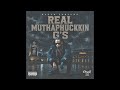
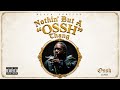
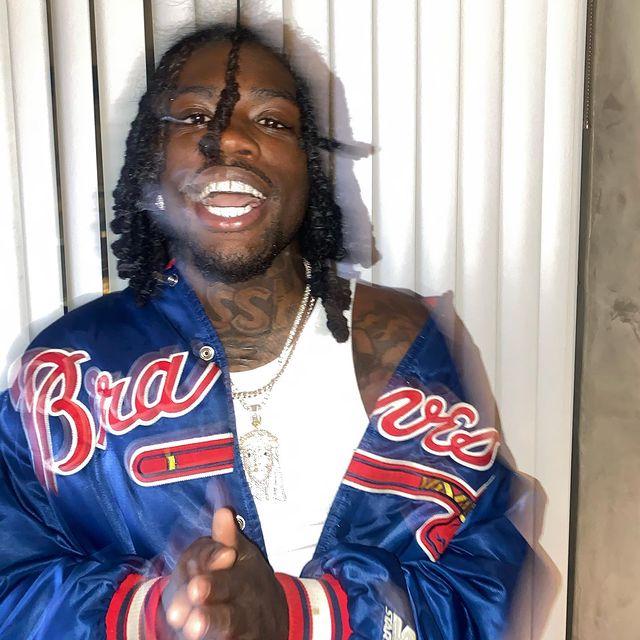
Black Fortune’s Spotify BioSupercharged with murmuring melodies, sly menace, and dystopian soundscapes, Black Fortune turns street raps into futuristic adventures. Since breaking out with “OsshWop” in 2018, the Landover, Maryland artist has cultivated an expansive fan base with brazen confidence and sticky anthems that are as stylish as they are indelible. Shifting between staccato blockboy couplets and slippery sing-song stanzas, he’s become one of the most inventive creators the DMV has to offer. He only reinforces that reputation with “Forrest Gump,” an ominous theme song fit for a Trap Terminator. “It’s just a more mature version of the songs I was making before,” shares Black, proudly. “It’s the fully unwrapped package of Black Fortune.” That stylistic evolution began with his 2018 project, OsshRock, a melodic effort that announced his presence as an emerging force in the DMV. It also introduced the concept of “Ossh” to the rest of the world. He’d continue spreading that gospel through projects like OsshGod… (2020), OsshMob (2021), Sorry for the Ossh (2022) and 444 (2022). There’s a literal and functional purpose for the term, but Black Fortune presents it as a spiritual and metaphorical idea better felt than explained. “It's a lifestyle — It's a way of living,” he says. “It's everything that you want it to be.” Looking ahead, Black plans to make Ossh a language the whole world can feel. More tangibly, he wants hip-hop supremacy.
Viberate is a music analytics platform built for A&Rs, artist managers, labels, booking agents, marketers, and artists.
It helps music professionals track artist growth, analyze audience data, monitor playlist activity, compare artists, follow song performance, and identify opportunities across the music market.
Public artist pages provide a free preview of selected artist data. Paid plans provide access to deeper analytics, historical data, charts, comparisons, playlist tools, exports, alerts, reports, and additional professional features.
Yes. Public Viberate artist pages provide selected artist analytics and music data for free.
Viberate also offers a 7-day free trial of the full platform. A credit card is required to start the trial. The trial includes access to the complete product so users can test deeper artist analytics, historical views, playlist insights, comparisons, charts, exports, alerts, and reporting features before choosing a paid plan.
Viberate provides artist analytics across streaming, playlists, social media, video, radio airplay, songs, and audience markets.
Users can analyze Spotify performance, Spotify and Apple Music playlists, YouTube activity, TikTok and Instagram growth, radio spins, song performance, audience locations, demographics, rankings, and overall artist momentum.
Artist profiles also connect to music charts, similar artists, and comparison tools, helping users benchmark performance and evaluate artists in context.
Viberate updates key artist and track data daily.
For followed artists and tracks, selected data is refreshed multiple times per day. This helps teams monitor playlist changes, streaming movement, audience growth, releases, and campaign performance with more current data.
Update frequency can vary depending on the metric and data source.
Yes. Viberate lets users compare up to five artists side by side across streaming, social media, audience, and engagement metrics.
Users can compare fanbase growth, audience demographics, locations, Spotify performance, social metrics, and other artist data over selected time periods.
Artist comparison can be used for A&R scouting, benchmarking, booking decisions, campaign planning, and evaluating artists with similar audiences or market positions.