Black Asteroid

Electronic
Techno
Other Electronic Music
 Viberate Rank: 186708
 Viberate Rank: 186708
 Monthly ListenersFollowers
 Subscribers
 Followers
 Followers
 FansTop Spotify Songs
| Track | 7-Day Streams | |
|---|---|---|
1 | 762 | |
2 | 176 | |
3 | 142 | |
4 | 117 | |
5 | 105 |
Top YouTube VideosMonthly ListenersFeatured in Playlists| Playlist | Followers | |
|---|---|---|
1 | Berghain Music Roman Wäger | 39.72K |
2 |  Industrial | EBM | Darkwave | Dark Electro | Aggrotech | Industrial Techno by DARKLARK darklark | 22.25K |
3 | Dark Techno Kenny Dashner | 21.05K |
4 |  Darkwave NOW! artoffact | 18.42K |
5 | Melodic Techno Vincent van Rouwendal | 16.94K |
Audience| City | Monthly Listeners | |
|---|---|---|
1 |  | 107 |
2 |  | 99 |
3 | | 86 |
4 |  | 83 |
5 |  | 80 |
See full performance history, audience data, playlist activity, rankings, comparisons, and more in Viberate music analytics. Start with a free trial, then continue with a paid plan.
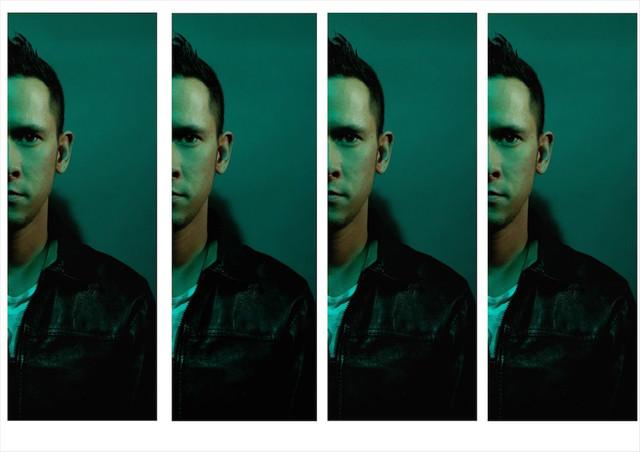
Black Asteroid’s Spotify BioBryan Black aka Black Asteroid started his music career as a sound designer and keyboard tech for Prince at Paisley Park Studios in his hometown of Minneapolis. While working for Prince,black proceeded to create his own music- under the name Haloblack and then Motor for such labels such as Mute and Kompakt.
These records caught the ear of Martin Gore from Depeche Mode. Soon after, Black was on tour with Depeche Mode and recording songs with Martin Gore. Together Black and Gore wrote a top 40 single “Man Made Machine”.
In 2011 the debut Black Asteroid single, “Engine 1” introduced Black Asteroid to the world- a
unique industrial techno sound that quickly took off, propelling Black to play at clubs such as
Berghain and Tresor in Berlin, Khidi In Tibilisi, Fabric and Fold in London and countless major
festivals, including being a face of Amsterdam Dance Event. The focus was in favor of song
structures and vocals in a techno template.
After a string of critically acclaimed EPs on CLR and Electric… Deluxe, the debut album “Thrust” was released in 2017 with many cross over singles, featuring vocals from Zola Jesus, Cold Cave and Michele Lamy.
The fashion designer Rick Owens picked up on what was happening, and used Black's music for his runway shows in Paris. The two quickly became friends and collaborators.
In addition to working in the fashion world, BLACK ASTEROID has released a collection of
sunglasses with Valley Eyewear and soundtracked a collection for Raf Simons.
Viberate is a music analytics platform built for A&Rs, artist managers, labels, booking agents, marketers, and artists.
It helps music professionals track artist growth, analyze audience data, monitor playlist activity, compare artists, follow song performance, and identify opportunities across the music market.
Public artist pages provide a free preview of selected artist data. Paid plans provide access to deeper analytics, historical data, charts, comparisons, playlist tools, exports, alerts, reports, and additional professional features.
Yes. Public Viberate artist pages provide selected artist analytics and music data for free.
Viberate also offers a 7-day free trial of the full platform. A credit card is required to start the trial. The trial includes access to the complete product so users can test deeper artist analytics, historical views, playlist insights, comparisons, charts, exports, alerts, and reporting features before choosing a paid plan.
Viberate provides artist analytics across streaming, playlists, social media, video, radio airplay, songs, and audience markets.
Users can analyze Spotify performance, Spotify and Apple Music playlists, YouTube activity, TikTok and Instagram growth, radio spins, song performance, audience locations, demographics, rankings, and overall artist momentum.
Artist profiles also connect to music charts, similar artists, and comparison tools, helping users benchmark performance and evaluate artists in context.
Viberate updates key artist and track data daily.
For followed artists and tracks, selected data is refreshed multiple times per day. This helps teams monitor playlist changes, streaming movement, audience growth, releases, and campaign performance with more current data.
Update frequency can vary depending on the metric and data source.
Yes. Viberate lets users compare up to five artists side by side across streaming, social media, audience, and engagement metrics.
Users can compare fanbase growth, audience demographics, locations, Spotify performance, social metrics, and other artist data over selected time periods.
Artist comparison can be used for A&R scouting, benchmarking, booking decisions, campaign planning, and evaluating artists with similar audiences or market positions.