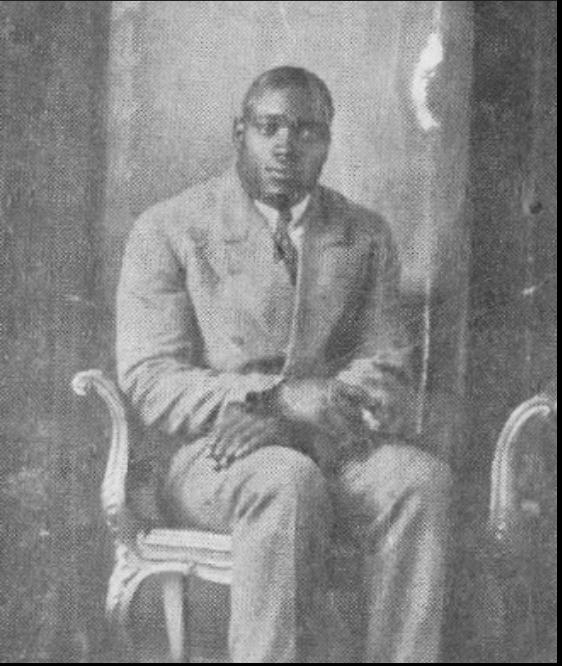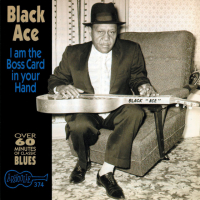
Black Ace

Blues
Classic Blues
Country Blues
 Viberate Rank: 535850
 Viberate Rank: 535850
 Monthly ListenersFollowers
 Subscribers
 Followers
 Followers
 FansTop Spotify Songs
| Track | 7-Day Streams | |
|---|---|---|
1 | 207 | |
2 | 94 | |
3 | 89 | |
4 | 31 | |
5 | 31 |
Top YouTube VideosMonthly ListenersFeatured in Playlists| Playlist | Followers | |
|---|---|---|
1 |  Asian car bangers Arman ☔️ | 23.34K |
2 | Django Unchained djangounchained | 22.34K |
3 |  Keeping The Blues Alive Joe Bonamassa | 10.32K |
4 |  WWOZ 90.7 FM (New Orleans Radio) Bryson Whitney | 6.48K |
5 |  Asian Bangers 🇵🇰🇵🇰🇵🇰 adzstxry | 5.46K |
Audience| City | Monthly Listeners | |
|---|---|---|
1 |  | 24 |
2 | | 13 |
3 | | 12 |
4 | | 12 |
5 | | 11 |
See full performance history, audience data, playlist activity, rankings, comparisons, and more in Viberate music analytics. Start with a free trial, then continue with a paid plan.
Black Ace’s Spotify BioA solid guitarist and vocalist, Babe Turner AKA Black Ace built his own guitar as a child, then taught himself to play. He was also in a gospel choir in Hughes Springs, TX. Turner honed his skills playing at community functions during the '20s, then worked with Smokey Hogg at dances in Greenville, TX in the '30s. Hogg and Buddy Woods were frequent partners for Turner, who made several solo tours in the '30s and '40s. He appeared in the 1941 film The Blood of Jesus and 1962 movie The Blues. Turner had a show on Fort Worth radio station KFJZ from 1936 - 1941. He recorded for Decca in 1937. After a stint in the army during the early '40s, Turner's jobs were mostly non-musical, except for his film stints. He did make a 1960 LP for Arhoolie. Turner took his nickname from the 1936 recording "Black Ace." ~ Ron Wynn
Viberate is a music analytics platform built for A&Rs, artist managers, labels, booking agents, marketers, and artists.
It helps music professionals track artist growth, analyze audience data, monitor playlist activity, compare artists, follow song performance, and identify opportunities across the music market.
Public artist pages provide a free preview of selected artist data. Paid plans provide access to deeper analytics, historical data, charts, comparisons, playlist tools, exports, alerts, reports, and additional professional features.
Yes. Public Viberate artist pages provide selected artist analytics and music data for free.
Viberate also offers a 7-day free trial of the full platform. A credit card is required to start the trial. The trial includes access to the complete product so users can test deeper artist analytics, historical views, playlist insights, comparisons, charts, exports, alerts, and reporting features before choosing a paid plan.
Viberate provides artist analytics across streaming, playlists, social media, video, radio airplay, songs, and audience markets.
Users can analyze Spotify performance, Spotify and Apple Music playlists, YouTube activity, TikTok and Instagram growth, radio spins, song performance, audience locations, demographics, rankings, and overall artist momentum.
Artist profiles also connect to music charts, similar artists, and comparison tools, helping users benchmark performance and evaluate artists in context.
Viberate updates key artist and track data daily.
For followed artists and tracks, selected data is refreshed multiple times per day. This helps teams monitor playlist changes, streaming movement, audience growth, releases, and campaign performance with more current data.
Update frequency can vary depending on the metric and data source.
Yes. Viberate lets users compare up to five artists side by side across streaming, social media, audience, and engagement metrics.
Users can compare fanbase growth, audience demographics, locations, Spotify performance, social metrics, and other artist data over selected time periods.
Artist comparison can be used for A&R scouting, benchmarking, booking decisions, campaign planning, and evaluating artists with similar audiences or market positions.