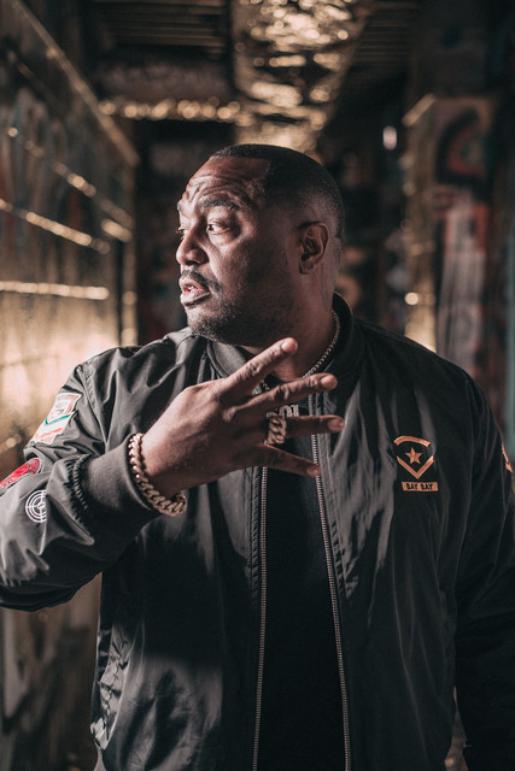
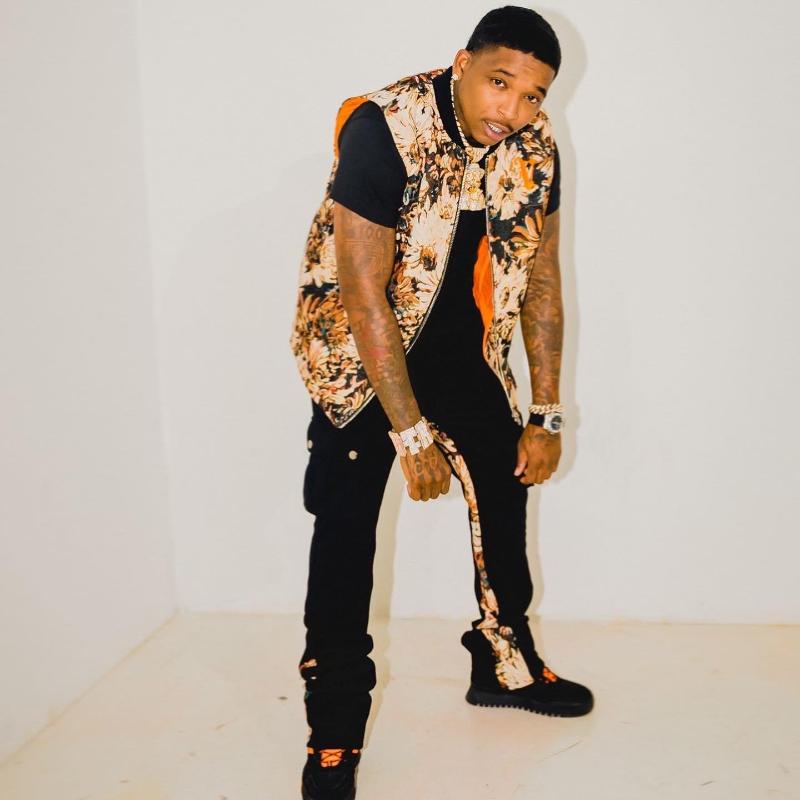
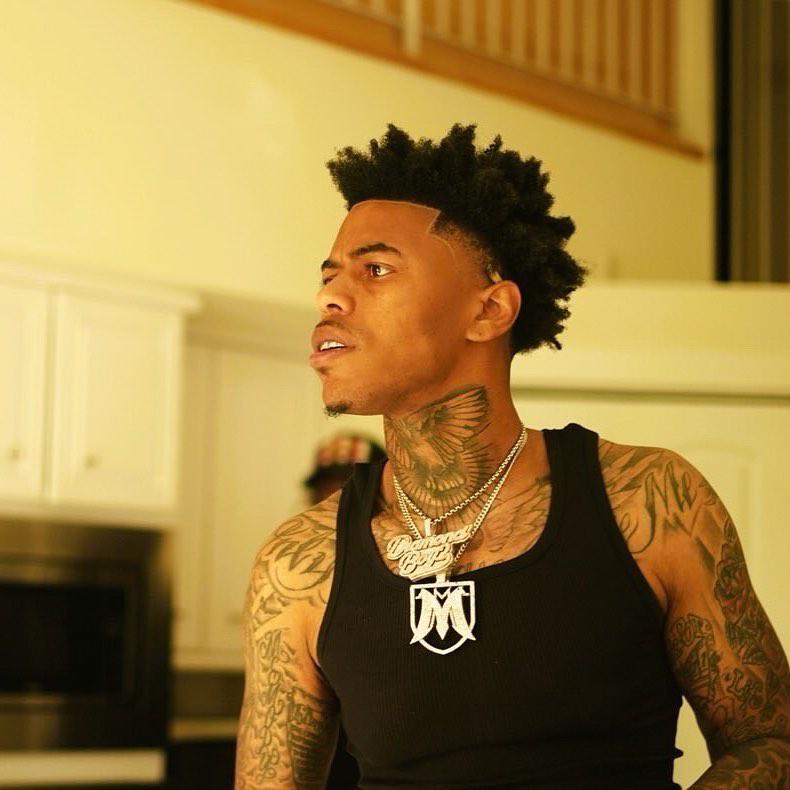
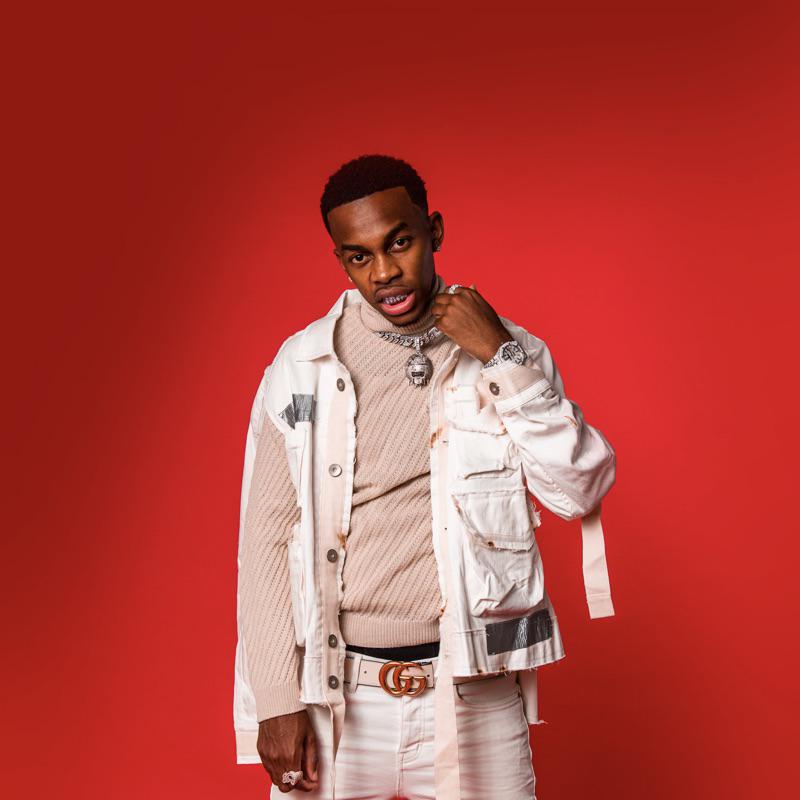
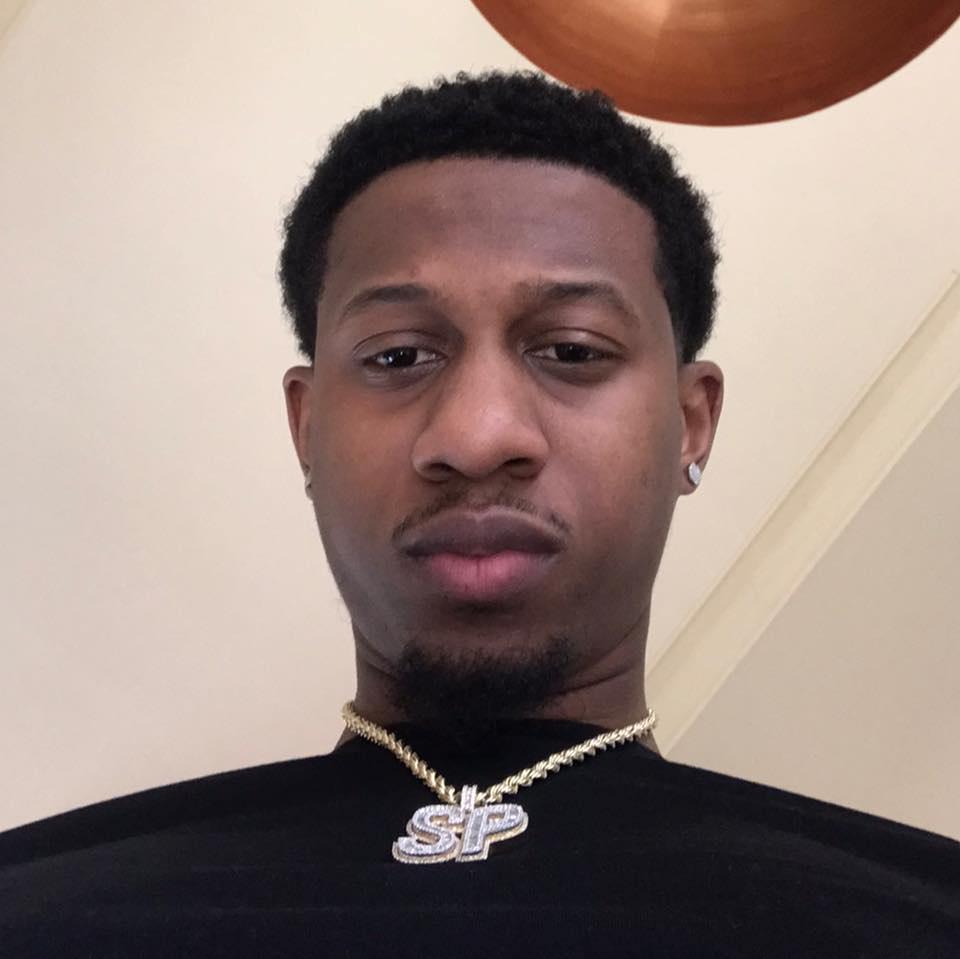
Blacc Zacc

Hip Hop
Contemporary Hip Hop
Trap
 Viberate Rank: 58479
 Viberate Rank: 58479
 Monthly ListenersFollowers
 Subscribers
 Followers
 Followers
 FansTop Spotify Songs
| Track | 7-Day Streams | |
|---|---|---|
1 | 23.54K | |
2 | 5.86K | |
3 | 3.45K | |
4 | 2.23K | |
5 | 1.43K |
Top YouTube VideosMonthly ListenersFeatured in Playlists| Playlist | Followers | |
|---|---|---|
1 | BANGERS 🔥 2026 Patrick | 94.00K |
2 |  Bad For Me Kevin Gates | 79.66K |
3 |  The Rap Game 2019 Michael Patrick | 77.59K |
4 |  Top Hits 2019 Michael Patrick | 35.65K |
5 |  Fresh Finds 2019 Michael Patrick | 34.80K |
Audience| City | Monthly Listeners | |
|---|---|---|
1 | | 3.63K |
2 | | 3.26K |
3 | | 2.85K |
4 | | 2.60K |
5 | | 2.06K |
See full performance history, audience data, playlist activity, rankings, comparisons, and more in Viberate music analytics. Start with a free trial, then continue with a paid plan.
Blacc Zacc’s Spotify BioSouth Carolina rapper Blacc Zacc makes sleek, confident tracks with pop hooks that match his braggadocio. He spent years perfecting his practice, moving from rapping as a teenager to self-releasing mixtapes to founding his own entertainment company, and ultimately signing a major-label deal. After years of work, Blacc Zacc began attracting attention worldwide in 2019, bringing his tough flows and edgy production first to singles like "Chump Change" and the Key Glock-assisted "Hahaha," then to albums like 2022's Life of a Trapper or 2024's No Distractions.
Blacc Zacc was born Zachary Chapman in Columbia, South Carolina in 1990. He grew up loving music and was rapping by the age of 13. He took the stage name Blacc Zacc and released his first mixtape, 1st Round Draft Pick, in 2010. He regularly put out new mixtapes over the next several years as his sound developed. As the end of the decade neared, Blacc Zacc had established his own label/company, Dirty Money Entertainment, as a vehicle… for his music, releasing collaborations with Young Dolph on the 2016 mixtape Dirty Summer in addition to appearing on tracks for other rappers. In 2019, after many years of hustling independently, Blacc Zacc signed to Interscope. His first project with the label was the late 2019 mixtape Trappin' Like Zacc. The album-length collection boasted some of his most polished production yet, as well as guest features from Key Glock, DaBaby, Stunna 4 Vegas, and others. Before the year was out, he followed up Trappin' Like Zacc with the new single "Time Again." Throughout 2020, Blacc Zacc remained prolific, churning out singles as well as two full-length albums, Carolina Narco and 803 Legend. In 2021 he collaborated with DME on the Walk Down Gang mixtape, and in 2022 he returned with the full-length Life of a Trapper. The album features guest spots from Toosii, Icewear Vezzo, and Fatt Loc. The following year he teamed with NEKKO BABY for the joint mixtape 48 Hours, and in 2024, his solo album No Distractions featured guest contributions from artists like Renni Rucci and Banks DaYoungan. ~ TiVo Staff, Rovi
Viberate is a music analytics platform built for A&Rs, artist managers, labels, booking agents, marketers, and artists.
It helps music professionals track artist growth, analyze audience data, monitor playlist activity, compare artists, follow song performance, and identify opportunities across the music market.
Public artist pages provide a free preview of selected artist data. Paid plans provide access to deeper analytics, historical data, charts, comparisons, playlist tools, exports, alerts, reports, and additional professional features.
Yes. Public Viberate artist pages provide selected artist analytics and music data for free.
Viberate also offers a 7-day free trial of the full platform. A credit card is required to start the trial. The trial includes access to the complete product so users can test deeper artist analytics, historical views, playlist insights, comparisons, charts, exports, alerts, and reporting features before choosing a paid plan.
Viberate provides artist analytics across streaming, playlists, social media, video, radio airplay, songs, and audience markets.
Users can analyze Spotify performance, Spotify and Apple Music playlists, YouTube activity, TikTok and Instagram growth, radio spins, song performance, audience locations, demographics, rankings, and overall artist momentum.
Artist profiles also connect to music charts, similar artists, and comparison tools, helping users benchmark performance and evaluate artists in context.
Viberate updates key artist and track data daily.
For followed artists and tracks, selected data is refreshed multiple times per day. This helps teams monitor playlist changes, streaming movement, audience growth, releases, and campaign performance with more current data.
Update frequency can vary depending on the metric and data source.
Yes. Viberate lets users compare up to five artists side by side across streaming, social media, audience, and engagement metrics.
Users can compare fanbase growth, audience demographics, locations, Spotify performance, social metrics, and other artist data over selected time periods.
Artist comparison can be used for A&R scouting, benchmarking, booking decisions, campaign planning, and evaluating artists with similar audiences or market positions.