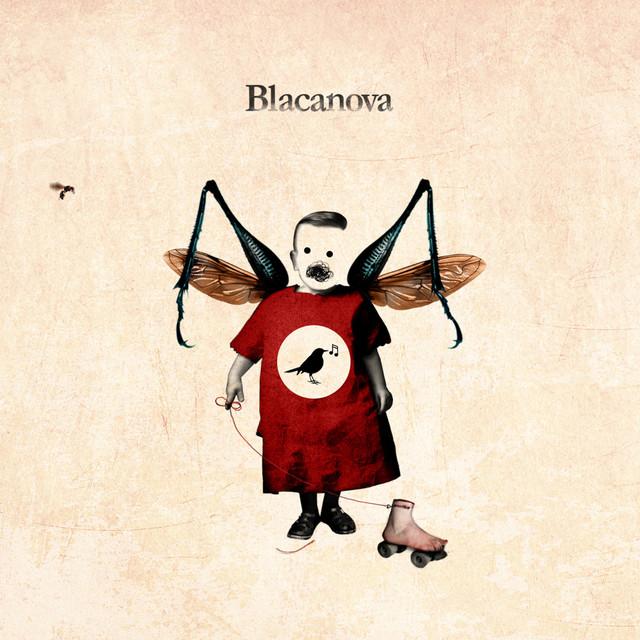
Blacanova

Rock
Alternative Rock
Shoegaze
 Viberate Rank: 546027
 Viberate Rank: 546027
 Monthly ListenersFollowers
 Subscribers
 Followers
 Followers
 FansTop Spotify Songs
| Track | 7-Day Streams | |
|---|---|---|
1 | 15 | |
2 | 14 | |
3 | 12 | |
4 | 7 | |
5 | 7 |
Top YouTube VideosMonthly ListenersFeatured in Playlists| Playlist | Followers | |
|---|---|---|
1 |  The Shoegazer Radio tuff-ghost | 2.42K |
2 |  Indie en Español vmcalvo | 1.86K |
3 | Indi Espanol Roberto Gil Garcia | 1.30K |
Audience| City | Monthly Listeners | |
|---|---|---|
1 | | 16 |
2 | | 5 |
3 | | 5 |
4 | | 3 |
5 |  | 3 |
See full performance history, audience data, playlist activity, rankings, comparisons, and more in Viberate music analytics. Start with a free trial, then continue with a paid plan.
Blacanova’s Spotify BioBLACANOVA is a Spanish band, formed in 2006. It currently consists of Manuel Begines, Eduardo Escobar, Cristian Bohórquez, Paco Arenas, Inés Olalla and Armando Jiménez. They incorporate a wide range of genres, including shoegaze, noise pop, dream pop, post-punk, psychedelia and post-rock.
Their first three EPs, respectively called Monja (2007), Perro (2008) and Madre (2009), received immediate attention from the critics. Dark, dense, deep, hypnotic were adjectives used to describe their early work, influenced by the sounds of The Cure as well as shoegaze nineties bands such as Ride, Lush, Slowdive, My Bloody Valentine and Flying Saucer Attack.
Blacanova’s self-titled debut album was released in 2010 by Barcelona label Foehn Records. It was immediately described as one of the most original and interesting albums on the Spanish indie scene. ¿Cómo ve el mundo un caballo?, their second album, was released in 2012 on Barcelona label El Genio Equivocado. From this point on, the sound of the… band developed, and two distinct components emerged: disconcerting lyrics that play with the distressing, macabre and yet hilarious distortion of everyday reality, and a musical discourse based on vocal duets, infinite reverb layers, lots of feedback, distortion and rhythmic patterns that fluctuate between the slow and melodic and outbreaks of astounding intensity. Regiones Devastadas (2015) and La Cabeza (2018) are respectively Blacanova’s third and fouth albums.
Viberate is a music analytics platform built for A&Rs, artist managers, labels, booking agents, marketers, and artists.
It helps music professionals track artist growth, analyze audience data, monitor playlist activity, compare artists, follow song performance, and identify opportunities across the music market.
Public artist pages provide a free preview of selected artist data. Paid plans provide access to deeper analytics, historical data, charts, comparisons, playlist tools, exports, alerts, reports, and additional professional features.
Yes. Public Viberate artist pages provide selected artist analytics and music data for free.
Viberate also offers a 7-day free trial of the full platform. A credit card is required to start the trial. The trial includes access to the complete product so users can test deeper artist analytics, historical views, playlist insights, comparisons, charts, exports, alerts, and reporting features before choosing a paid plan.
Viberate provides artist analytics across streaming, playlists, social media, video, radio airplay, songs, and audience markets.
Users can analyze Spotify performance, Spotify and Apple Music playlists, YouTube activity, TikTok and Instagram growth, radio spins, song performance, audience locations, demographics, rankings, and overall artist momentum.
Artist profiles also connect to music charts, similar artists, and comparison tools, helping users benchmark performance and evaluate artists in context.
Viberate updates key artist and track data daily.
For followed artists and tracks, selected data is refreshed multiple times per day. This helps teams monitor playlist changes, streaming movement, audience growth, releases, and campaign performance with more current data.
Update frequency can vary depending on the metric and data source.
Yes. Viberate lets users compare up to five artists side by side across streaming, social media, audience, and engagement metrics.
Users can compare fanbase growth, audience demographics, locations, Spotify performance, social metrics, and other artist data over selected time periods.
Artist comparison can be used for A&R scouting, benchmarking, booking decisions, campaign planning, and evaluating artists with similar audiences or market positions.