Bismillah Khan

Asian
Indian Folk
Classical Crossover
 Viberate Rank: 133344
 Viberate Rank: 133344
 Monthly ListenersFollowers
 Subscribers
 Followers
 Followers
 FansTop Spotify Songs
| Track | 7-Day Streams | |
|---|---|---|
1 | 4.55K | |
2 | 4.55K | |
3 | 3.98K | |
4 | 3.98K | |
5 | 2.27K |
Top YouTube VideosMonthly ListenersFeatured in Playlists| Playlist | Followers | |
|---|---|---|
1 | Coke studio seasons 1-15 Zain | 110.72K |
2 |  Hindustani Classical Spotify | 92.81K |
3 |  The Sound of Everything The Sounds of Spotify | 53.83K |
4 |  ECHO : Soulful Sitar Spotify | 22.86K |
5 |  Sitar - Best of Deutsche Grammophon (DG) | 16.88K |
Audience| City | Monthly Listeners | |
|---|---|---|
1 | | 6.64K |
2 | | 2.53K |
3 | | 1.76K |
4 | | 1.44K |
5 | | 977 |
See full performance history, audience data, playlist activity, rankings, comparisons, and more in Viberate music analytics. Start with a free trial, then continue with a paid plan.
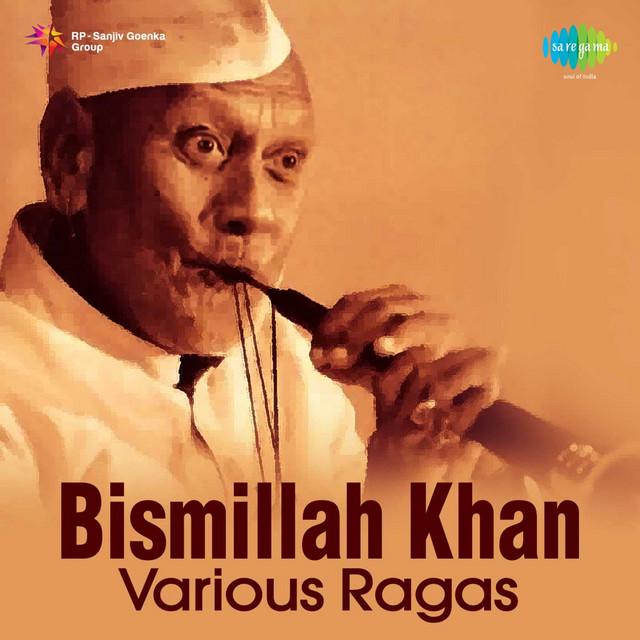
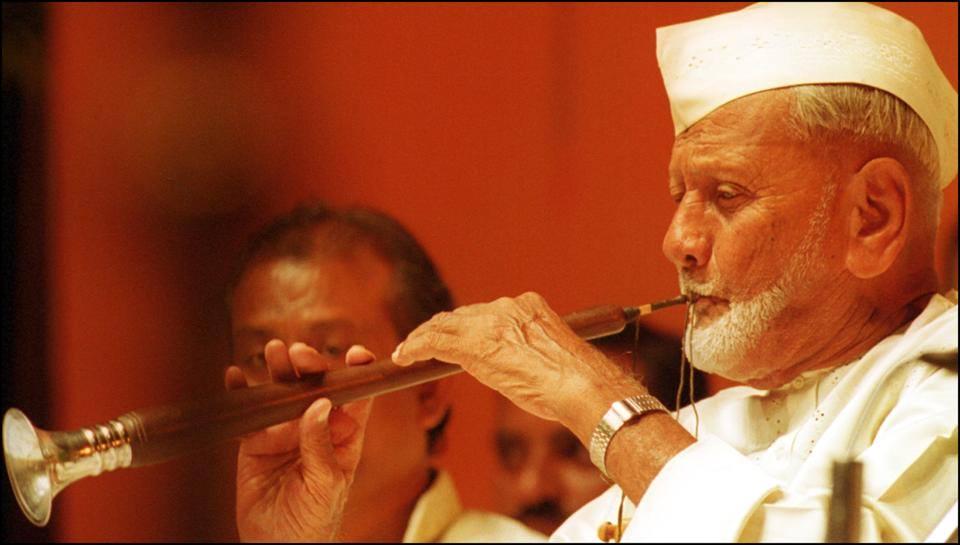
Bismillah Khan’s Spotify BioCertain instruments become indelibly linked with particular performers. In the Hindustani realm, the santoor is closely associated with Shivkumar Sharma and the rudra vina with Zia Mohiuddin Khan, but historically, perhaps the closest and most intimate association has been with Bismillah Khan and the shehnai.
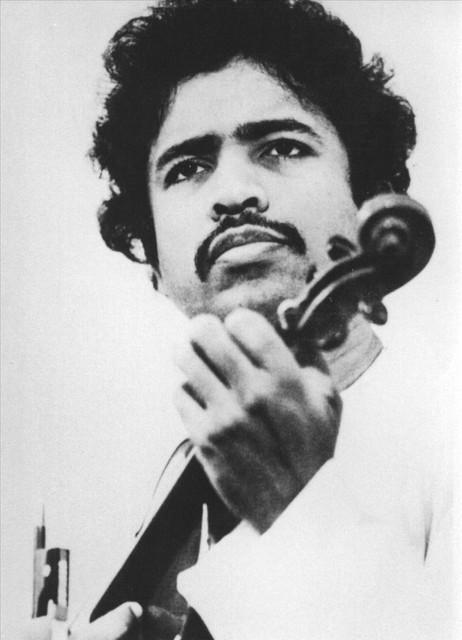
Born in 1916, he has raised the status of one of India's most distinctively voiced instruments unprecedentedly. In its folk form this double-reeded instrument is used on a variety of ritual occasions but is especially associated with weddings. Bismillah Khan has recorded extensively and like many Indian classical artists most of his early work was released by EMI India or its overseas partners. His historic jugalbandi with Vilayat Khan was chosen to inaugurate the Music of India series on EMI India's parent company in Britain. This series licensed the work of masters such as Ravi Shankar, Ali Akbar Khan and Nikhil Banerjee. The debut release in the Music of India series, however,… featured in the terminology of the album duettos on "Chaiti-Dhun" and "Bhairavee Thumree." The third in the series was another shehnai jugalbandi, this time with violinist V.G. Jog. It was a further indication of the esteem in which Bismillah Khan was held. Time has only reinforced that. ~ Ken Hunt, Rovi
Viberate is a music analytics platform built for A&Rs, artist managers, labels, booking agents, marketers, and artists.
It helps music professionals track artist growth, analyze audience data, monitor playlist activity, compare artists, follow song performance, and identify opportunities across the music market.
Public artist pages provide a free preview of selected artist data. Paid plans provide access to deeper analytics, historical data, charts, comparisons, playlist tools, exports, alerts, reports, and additional professional features.
Yes. Public Viberate artist pages provide selected artist analytics and music data for free.
Viberate also offers a 7-day free trial of the full platform. A credit card is required to start the trial. The trial includes access to the complete product so users can test deeper artist analytics, historical views, playlist insights, comparisons, charts, exports, alerts, and reporting features before choosing a paid plan.
Viberate provides artist analytics across streaming, playlists, social media, video, radio airplay, songs, and audience markets.
Users can analyze Spotify performance, Spotify and Apple Music playlists, YouTube activity, TikTok and Instagram growth, radio spins, song performance, audience locations, demographics, rankings, and overall artist momentum.
Artist profiles also connect to music charts, similar artists, and comparison tools, helping users benchmark performance and evaluate artists in context.
Viberate updates key artist and track data daily.
For followed artists and tracks, selected data is refreshed multiple times per day. This helps teams monitor playlist changes, streaming movement, audience growth, releases, and campaign performance with more current data.
Update frequency can vary depending on the metric and data source.
Yes. Viberate lets users compare up to five artists side by side across streaming, social media, audience, and engagement metrics.
Users can compare fanbase growth, audience demographics, locations, Spotify performance, social metrics, and other artist data over selected time periods.
Artist comparison can be used for A&R scouting, benchmarking, booking decisions, campaign planning, and evaluating artists with similar audiences or market positions.