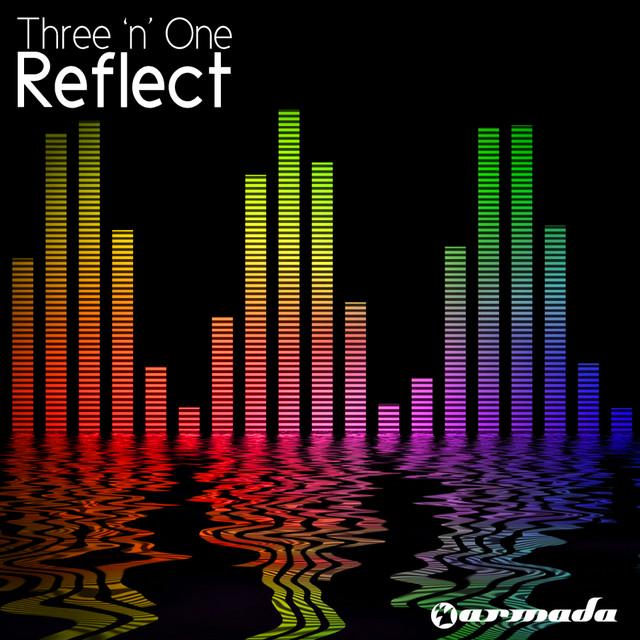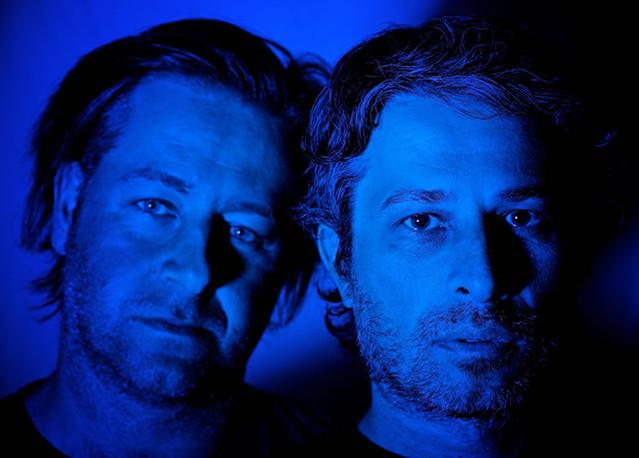
Binary Finary

Electronic
Trance
 Viberate Rank: 37415
 Viberate Rank: 37415
 Monthly ListenersFollowers
 Subscribers
 Followers
 Followers
 FansTop Spotify Songs
| Track | 7-Day Streams | |
|---|---|---|
1 | 64.48K | |
2 | 58.42K | |
3 | 20.30K | |
4 | 17.64K | |
5 | 15.96K |
Top YouTube Videos| Video | 7-Day Views | |
|---|---|---|
1 | 6.98K | |
2 | 2.10K | |
3 | 454 | |
4 | 49 | |
5 | 40 |
Monthly ListenersFeatured in Playlists| Playlist | Followers | |
|---|---|---|
1 |  Power Hour Spotify | 2.58M |
2 |  trance mission Spotify | 893.04K |
3 |  Trance Classics Spotify | 843.99K |
4 |  Trance Top 1000 | Armada Music Armada Music | 468.57K |
5 |  Armin van Buuren Presents Armin van Buuren | 382.34K |
Audience| City | Monthly Listeners | |
|---|---|---|
1 |  | 16.09K |
2 |  | 10.21K |
3 | | 9.90K |
4 | | 8.81K |
5 | | 8.28K |
See full performance history, audience data, playlist activity, rankings, comparisons, and more in Viberate music analytics. Start with a free trial, then continue with a paid plan.
Binary Finary’s Spotify BioBinary Finary aroused massive interest from the press and public with their unmistakable trance anthem, ‘1998’. It was originally released on Aquarius Records, before being signed to EMI Records’ dance music offshoot, Positiva Records and consequently becoming a massively successful single. The track is the epitome of the surging, melodic trance that has been the soundtrack to the late 90s’ ‘Mitsubishi [a type of strong ecstasy tablet] Revolution’ in European clubs, such as the UK’s Gatecrasher. ‘1998’ took dance floors by storm, with its powerful chord changes, heart-stopping breakdown and dramatic crescendos. The track has been featured on numerous mix compilations and has proved a favourite with many notable DJs such as Paul Van Dyk (who remixed the track), Paul Oakenfold and Judge Jules. Positiva re-released the track as ‘1999’ in that year, in a two-disc format, featuring remixes from Van Dyk, Matt Darey, Gouryella (DJ Tiësto and Ferry Corsten) and Kaycee. It proved a crossover… success, reaching number 11 in the UK charts. Binary Finary performed live at numerous club events and festivals in 1998 and 1999, including Glastonbury Festival, Cream’s Creamfields and in Ibiza.
Viberate is a music analytics platform built for A&Rs, artist managers, labels, booking agents, marketers, and artists.
It helps music professionals track artist growth, analyze audience data, monitor playlist activity, compare artists, follow song performance, and identify opportunities across the music market.
Public artist pages provide a free preview of selected artist data. Paid plans provide access to deeper analytics, historical data, charts, comparisons, playlist tools, exports, alerts, reports, and additional professional features.
Yes. Public Viberate artist pages provide selected artist analytics and music data for free.
Viberate also offers a 7-day free trial of the full platform. A credit card is required to start the trial. The trial includes access to the complete product so users can test deeper artist analytics, historical views, playlist insights, comparisons, charts, exports, alerts, and reporting features before choosing a paid plan.
Viberate provides artist analytics across streaming, playlists, social media, video, radio airplay, songs, and audience markets.
Users can analyze Spotify performance, Spotify and Apple Music playlists, YouTube activity, TikTok and Instagram growth, radio spins, song performance, audience locations, demographics, rankings, and overall artist momentum.
Artist profiles also connect to music charts, similar artists, and comparison tools, helping users benchmark performance and evaluate artists in context.
Viberate updates key artist and track data daily.
For followed artists and tracks, selected data is refreshed multiple times per day. This helps teams monitor playlist changes, streaming movement, audience growth, releases, and campaign performance with more current data.
Update frequency can vary depending on the metric and data source.
Yes. Viberate lets users compare up to five artists side by side across streaming, social media, audience, and engagement metrics.
Users can compare fanbase growth, audience demographics, locations, Spotify performance, social metrics, and other artist data over selected time periods.
Artist comparison can be used for A&R scouting, benchmarking, booking decisions, campaign planning, and evaluating artists with similar audiences or market positions.