Bim Skala Bim

Reggae
Ska
 Viberate Rank: 227263
 Viberate Rank: 227263
 Monthly ListenersFollowers
 Subscribers
 Followers
 Followers
 FansTop Spotify Songs
| Track | 7-Day Streams | |
|---|---|---|
1 | 348 | |
2 | 190 | |
3 | 172 | |
4 | 148 | |
5 | 75 |
Top YouTube VideosMonthly ListenersFeatured in Playlists| Playlist | Followers | |
|---|---|---|
1 | SKA Kevin McLaughlin | 111.43K |
2 |  Ska Punk Essentials Kousa_cs | 33.50K |
3 | Catchy Song Roulette jkwaffle | 4.43K |
4 |  Ska Instrumentals gtroc9 | 2.71K |
5 |  Pick It Up! - Ska in the 90s Pick It Up! - Ska in the 90s | 2.29K |
Audience| City | Monthly Listeners | |
|---|---|---|
1 |  | 52 |
2 | | 48 |
3 | | 42 |
4 | | 31 |
5 | | 27 |
See full performance history, audience data, playlist activity, rankings, comparisons, and more in Viberate music analytics. Start with a free trial, then continue with a paid plan.
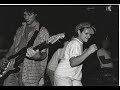
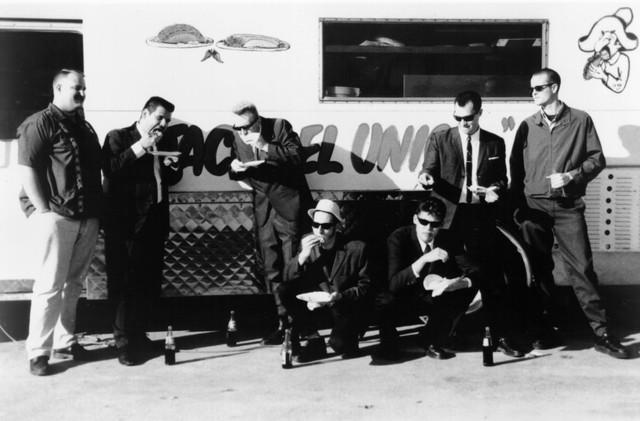
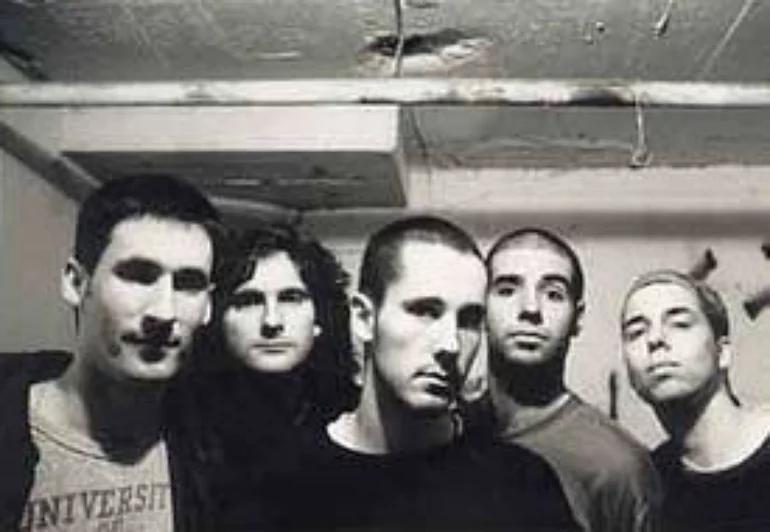
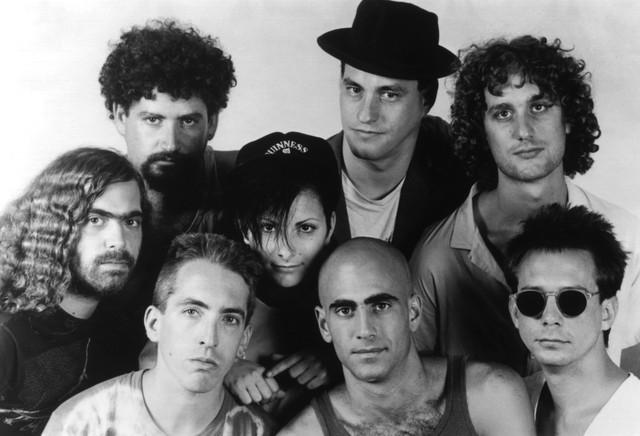
Bim Skala Bim’s Spotify BioBim Skala Bim was one of America's initial responses to Britain's 2-Tone movement in the early '80s. Also inspired by the Clash, UB40 and Bob Marley, the group has also become one of the longest-lasting ska groups in America and has the tightest lineup. Formed in Boston in 1983 by vocalist Dan Vitale and bassist Mark Ferranti, Bim Skala Bim's lineup has been unchanged since 1989, presently including Vitale and Ferranti plus drummer Jim Arhelger, percussionist Rick Barry, keyboard player John Cameron, guitarist Jim Jones and trombonist Vincent Noble. Bim Skala Bim released a self-titled album in 1986, and appeared on the Boston ska compilation Mash It Up two years later. The group signed to Celluloid Records in 1988, but 1989's Tuba City proved to be its only Celluloid release. The band recorded and released How's It Goin'? (1990) and Bones (1991) on their own; in 1992, however, Relativity agreed to distribute their records through the group's own Bib Records (Big Indie Beat).… (Subsequent albums appeared on Bib, as well as reissues of efforts going back to Tuba City.) Live at the Paradise (1993) captured Bim Skala Bim's energetic live show, and the group's sixth full-length, American Playhouse, appeared in 1995. Two years later, the group released Universal; Test Patterns followed in 1999. ~ John Bush, Rovi
Viberate is a music analytics platform built for A&Rs, artist managers, labels, booking agents, marketers, and artists.
It helps music professionals track artist growth, analyze audience data, monitor playlist activity, compare artists, follow song performance, and identify opportunities across the music market.
Public artist pages provide a free preview of selected artist data. Paid plans provide access to deeper analytics, historical data, charts, comparisons, playlist tools, exports, alerts, reports, and additional professional features.
Yes. Public Viberate artist pages provide selected artist analytics and music data for free.
Viberate also offers a 7-day free trial of the full platform. A credit card is required to start the trial. The trial includes access to the complete product so users can test deeper artist analytics, historical views, playlist insights, comparisons, charts, exports, alerts, and reporting features before choosing a paid plan.
Viberate provides artist analytics across streaming, playlists, social media, video, radio airplay, songs, and audience markets.
Users can analyze Spotify performance, Spotify and Apple Music playlists, YouTube activity, TikTok and Instagram growth, radio spins, song performance, audience locations, demographics, rankings, and overall artist momentum.
Artist profiles also connect to music charts, similar artists, and comparison tools, helping users benchmark performance and evaluate artists in context.
Viberate updates key artist and track data daily.
For followed artists and tracks, selected data is refreshed multiple times per day. This helps teams monitor playlist changes, streaming movement, audience growth, releases, and campaign performance with more current data.
Update frequency can vary depending on the metric and data source.
Yes. Viberate lets users compare up to five artists side by side across streaming, social media, audience, and engagement metrics.
Users can compare fanbase growth, audience demographics, locations, Spotify performance, social metrics, and other artist data over selected time periods.
Artist comparison can be used for A&R scouting, benchmarking, booking decisions, campaign planning, and evaluating artists with similar audiences or market positions.