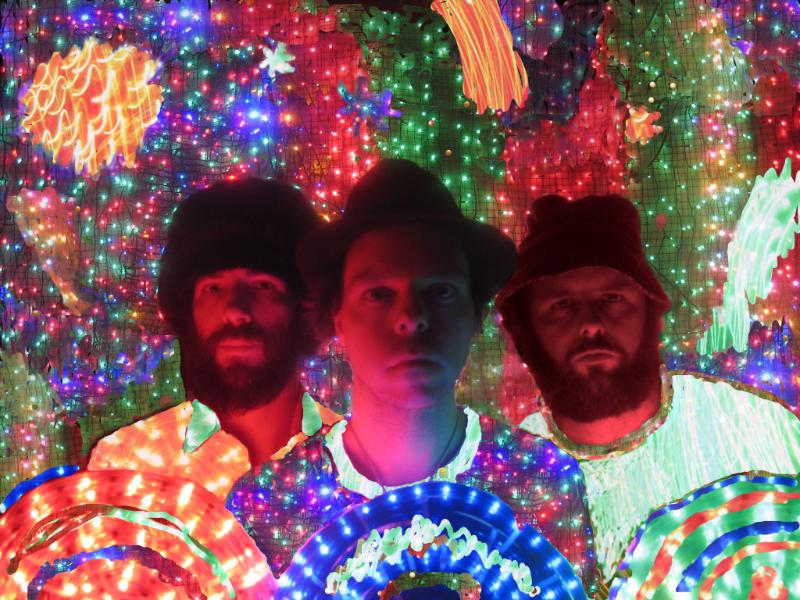
Billy Star

Rock
Alternative Rock
 Viberate Rank: 761153
 Viberate Rank: 761153
 Monthly ListenersFollowers
 Subscribers
 Followers
 Followers
 FansTop Spotify Songs
| Track | 7-Day Streams | |
|---|---|---|
1 | 1 |
Top YouTube Videos| Video | 7-Day Views | |
|---|---|---|
1 | 2 |
Monthly ListenersFeatured in PlaylistsAudience| City | Monthly Listeners | |
|---|---|---|
1 | | 3 |
See full performance history, audience data, playlist activity, rankings, comparisons, and more in Viberate music analytics. Start with a free trial, then continue with a paid plan.
Billy Star’s Spotify BioHailing from the sun drawn heat of Dallas, TX, “Billy Star” (A band, NOT a man) began with a lifelong admiration for music. Self taught and barely aware, they made their way through music as an unnamed cover band. Playing whatever they wanted, whenever they wanted, to themselves, and at their local Uhaul storage unit. Over the next years of musical influence, and short stints with higher education, they went for broke. With the sudden winds of expression blowing their way, “Billy Star” was born: Haley on Guitar/Bass, Julius on Drums, and Danny Boy as the singer/occasional guitarist. Suddenly, in the world’s new-found isolation, the trio had written enough material to make their leap into professional recording, reaching out to “Electrical Audio” with inquiries of making an album. The three soon found themselves in the heart of Chicago, recording what is to be, “100%”. Shortly in finishing, without a single person aware, the band released roughly 20 minutes of recorded music into the… world. Unknowing of all to come, and adding an additional member (Alyssa on the bass guitar), they were ready to play for an audience. From small crowds to large, large crowds to small, and many in between, they play their music for whoever will listen. Now, writing as a new collective, “Billy Star” released “Heavy Lifting”. The band’s most recent album. A statement to their more current musical aspirations. Future ones pending.
Viberate is a music analytics platform built for A&Rs, artist managers, labels, booking agents, marketers, and artists.
It helps music professionals track artist growth, analyze audience data, monitor playlist activity, compare artists, follow song performance, and identify opportunities across the music market.
Public artist pages provide a free preview of selected artist data. Paid plans provide access to deeper analytics, historical data, charts, comparisons, playlist tools, exports, alerts, reports, and additional professional features.
Yes. Public Viberate artist pages provide selected artist analytics and music data for free.
Viberate also offers a 7-day free trial of the full platform. A credit card is required to start the trial. The trial includes access to the complete product so users can test deeper artist analytics, historical views, playlist insights, comparisons, charts, exports, alerts, and reporting features before choosing a paid plan.
Viberate provides artist analytics across streaming, playlists, social media, video, radio airplay, songs, and audience markets.
Users can analyze Spotify performance, Spotify and Apple Music playlists, YouTube activity, TikTok and Instagram growth, radio spins, song performance, audience locations, demographics, rankings, and overall artist momentum.
Artist profiles also connect to music charts, similar artists, and comparison tools, helping users benchmark performance and evaluate artists in context.
Viberate updates key artist and track data daily.
For followed artists and tracks, selected data is refreshed multiple times per day. This helps teams monitor playlist changes, streaming movement, audience growth, releases, and campaign performance with more current data.
Update frequency can vary depending on the metric and data source.
Yes. Viberate lets users compare up to five artists side by side across streaming, social media, audience, and engagement metrics.
Users can compare fanbase growth, audience demographics, locations, Spotify performance, social metrics, and other artist data over selected time periods.
Artist comparison can be used for A&R scouting, benchmarking, booking decisions, campaign planning, and evaluating artists with similar audiences or market positions.