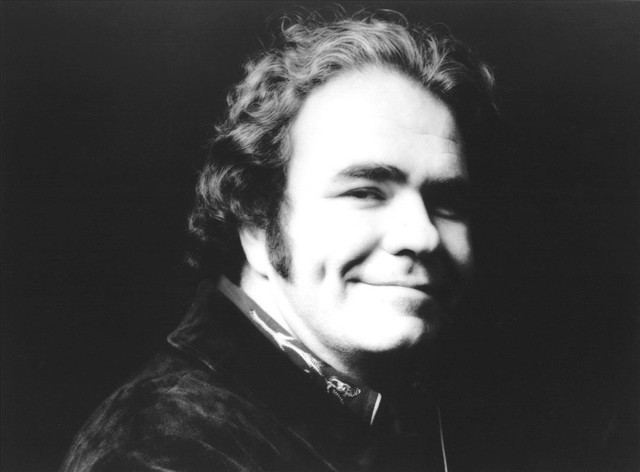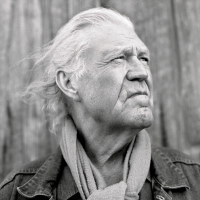
Billy Joe Shaver

Country
Americana/Alt Country
 Viberate Rank: 63011
 Viberate Rank: 63011
 Monthly ListenersFollowers
 Subscribers
 Followers
 Followers
 FansTop Spotify Songs
| Track | 7-Day Streams | |
|---|---|---|
1 | 26.31K | |
2 | 20.02K | |
3 | 19.65K | |
4 | 16.28K | |
5 | 11.84K |
Top YouTube VideosMonthly ListenersFeatured in Playlists| Playlist | Followers | |
|---|---|---|
1 |  Heart Of Texas Spotify | 292.51K |
2 |  Americana Icons Spotify | 241.64K |
3 |  Outlaw Spotify | 230.60K |
4 |  Outlaw Country ramblinman66 | 149.60K |
5 |  …don’t come back 🪵🌲 The Sandlot Vintage | 145.06K |
Audience| City | Monthly Listeners | |
|---|---|---|
1 | | 5.94K |
2 | | 4.07K |
3 | | 4.00K |
4 | | 3.84K |
5 | | 3.60K |
See full performance history, audience data, playlist activity, rankings, comparisons, and more in Viberate music analytics. Start with a free trial, then continue with a paid plan.
Billy Joe Shaver’s Spotify BioBilly Joe Shaver never achieved the same level of fame as outlaw country peers like Waylon Jennings and Willie Nelson, but his songs were a significant part of the movement's architecture and were widely covered by stars ranging from Johnny Cash to Elvis Presley and Bob Dylan. A native Texan who lived the type of rough-and-tumble life that made his songs so appealing, Shaver was well into his thirties by the time he made his album debut. Bobby Bare heard something he liked in Shaver's earthy honky-tonk paeans to sinning and redemption, and hired him as a staff writer, a move that effectively launched his career in Nashville. 1973's Old Five and Dimers Like Me has over time earned the reputation as a classic, but in the mid-'70s, Shaver originals like "Honky Tonk Heroes" and "Good Christian Soldier" were far better known as hits for Jennings and Kris Kristofferson among others. Kind-hearted but often full of bluster and mischief, Shaver could be difficult, a trait that infused his songs… with a sense of authenticity; this awareness of his flaws made songs like 1981's "I'm Just an Old Chunk of Coal (But I'm Gonna Be a Diamond Someday)" work like a charm. As his career wore on, the consistent quality of his work remained undiminished and his perennial underdog status for better or worse became a part of his cultural identity. A streak of strong releases in the 1990s and early 2000s kept him current and further bolstered his reputation as one of America's great unsung songmen, as did ongoing plaudits from Nelson, Cash, Dylan, and so many others. It's one of the great ironies of his career that after four decades, his final album, 2014's excellent Long in the Tooth, marked his first-ever entry on the Billboard Country Albums chart. Shaver died six years later in 2020 from a massive stroke.
Born in Corsicana, Texas in 1939, Shaver's early years seem like a blueprint for the type of outlaw country fare he and other songwriters would later immortalize. Largely raised by his grandmother while his mother worked in a Waco honky-tonk, he dropped out of school after eighth grade to pick cotton alongside his uncles, then enlisted in the U.S. Navy the day he turned 17. He later bounced from job to job, trying his luck as a rodeo clown and then working at a sawmill, where an accident claimed a pair of fingers from his right hand. In a display of the tenacity he carried throughout his life, Shaver quickly adapted and taught himself to play guitar without them. Around this same time, he met and married Brenda Joyce Tindell, with whom he had a son, Eddy, in 1962. In a strange twist of fate, he and Tindell divorced and remarried twice, seemingly bound together until her death in 1999. Their first divorce purportedly came about as a result of Shaver's decision to pursue a songwriting career, and in 1966, after Tindell filed the papers, Shaver promptly hitchhiked to Nashville in the back of a cantaloupe truck.
It took a couple of years and some retreats back to Texas, but his tenacity once again paid off after an unannounced visit to Bobby Bare's Nashville office (where he practically demanded to be heard) earned him a contract as a staff songwriter. Bare went on to record a number of Shaver's songs, including the hit "Ride Me Down Easy," but he wasn't the only one who heard potential in the Texan. Shaver's own debut single, 1970's "Chicken on the Ground," may have sunk without a trace, but he soon began landing other songs with big names like Tom T. Hall ("Willie the Wandering Gypsy and Me"), Kris Kristofferson ("Good Christian Soldier"), and Waylon Jennings. The latter was so taken by Shaver's songs that he recorded an entire collection of them for his 1973 LP Honky Tonk Heroes, a landmark record often cited as helping launch the outlaw movement. That same year, Kristofferson produced Shaver's own debut, Old Five and Dimers Like Me, which featured a number of originals already made famous by others, while also yielding one of his own signature cuts in "Georgia on a Fast Train."
Despite his status as one of the original outlaw songwriters, Shaver's career as a singer never blossomed in the same way as his more celebrated contemporaries. Still, he remained in the thick of it and even appeared on the platinum-selling 1976 compilation Wanted! The Outlaws, playing a support role to Jennings, Nelson, and Jessi Colter. During this period, he recorded two more solo albums, When I Get My Wings and Gypsy Boy, for the Capricorn label, garnering yet more industry respect without coming near star status. Meanwhile, his songs continued to live on through other acts, with Johnny Cash recording a version of Shaver's aspirational honky-tonk gem "I'm Just an Old Chunk of Coal (But I'm Gonna Be a Diamond Some Day)." Shaver's own version headlined a 1981 album of the same name and marked his first release for Columbia Records.
Throughout the '80s, he remained a prolific writer, turning in a handful of quality albums rife with the kind of hard-earned wisdom of the criminally underrated. Flying under the radar for so long does have its advantages, though, and by the early '90s, Shaver had achieved something of a vaulted cult-hero status that also happened to line up with a career peak in creativity. Teaming up with his guitar-slinger son Eddy, he recorded the 1993 classic Tramp on Your Street under the family name Shaver. Eddy remained a part of his father's band over the coming years and helped out on subsequent late-'90s highlights like Highway of Life and Victory. In a catastrophic end to what had been a banner decade, Shaver endured not only the 1999 death of his wife Brenda, but also of his mother. Compounding these losses was the unexpected death of his son Eddy a year later from a heroin overdose.
Turning to his music for comfort, Shaver entered one of the most prolific periods of his career, kicking off an impressive five-year run with 2001's excellent The Earth Rolls On and managing a new studio album each year, along with a live release. Flirting with alt-country, folk, rock, and Americana, he even turned to spiritual matters on 2007's gospel-inspired Everybody's Brother, which earned him a Grammy nomination and featured duets with his old friends Cash and Kristofferson. During this period, he also dabbled in acting, an endeavor he'd begun in 1996, playing opposite Robert Duvall in The Apostle. His mid-2000s roles included parts in Secondhand Lions and The Wendell Baker Story. Additionally, his song "Live Forever" was featured in the 2009 film Crazy Heart, sung by Duvall.
Shaver continued to tour regularly, releasing a couple more live albums before returning to the studio for what would end up being his final LP. Released in 2014, Long in the Tooth was a lovingly crafted set of world-weary songs that ironically marked the singer's first-ever appearance on the Billboard Country Albums chart, peaking at number 19. Harking back to his outlaw days, it featured a duet with longtime friend Willie Nelson on "It's Hard to Be an Outlaw." The album and its long-overdue commercial performance served as a fitting swan song from one of country music's most enduring and respected songwriters. Shaver died on October 28, 2020 in Waco, Texas from a stroke. ~ Timothy Monger, Rovi
Viberate is a music analytics platform built for A&Rs, artist managers, labels, booking agents, marketers, and artists.
It helps music professionals track artist growth, analyze audience data, monitor playlist activity, compare artists, follow song performance, and identify opportunities across the music market.
Public artist pages provide a free preview of selected artist data. Paid plans provide access to deeper analytics, historical data, charts, comparisons, playlist tools, exports, alerts, reports, and additional professional features.
Yes. Public Viberate artist pages provide selected artist analytics and music data for free.
Viberate also offers a 7-day free trial of the full platform. A credit card is required to start the trial. The trial includes access to the complete product so users can test deeper artist analytics, historical views, playlist insights, comparisons, charts, exports, alerts, and reporting features before choosing a paid plan.
Viberate provides artist analytics across streaming, playlists, social media, video, radio airplay, songs, and audience markets.
Users can analyze Spotify performance, Spotify and Apple Music playlists, YouTube activity, TikTok and Instagram growth, radio spins, song performance, audience locations, demographics, rankings, and overall artist momentum.
Artist profiles also connect to music charts, similar artists, and comparison tools, helping users benchmark performance and evaluate artists in context.
Viberate updates key artist and track data daily.
For followed artists and tracks, selected data is refreshed multiple times per day. This helps teams monitor playlist changes, streaming movement, audience growth, releases, and campaign performance with more current data.
Update frequency can vary depending on the metric and data source.
Yes. Viberate lets users compare up to five artists side by side across streaming, social media, audience, and engagement metrics.
Users can compare fanbase growth, audience demographics, locations, Spotify performance, social metrics, and other artist data over selected time periods.
Artist comparison can be used for A&R scouting, benchmarking, booking decisions, campaign planning, and evaluating artists with similar audiences or market positions.