Bill Jerpe

Rock
Folk Rock
Psychedelic Rock
 Viberate Rank: 762750
 Viberate Rank: 762750
 Monthly ListenersFollowers
 Subscribers
 Followers
 Followers
 FansTop Spotify Songs
| Track | 7-Day Streams | |
|---|---|---|
1 | 136 | |
2 | 98 | |
3 | 23 | |
4 | 22 | |
5 | 11 |
Top YouTube VideosMonthly ListenersFeatured in Playlists| Playlist | Followers | |
|---|---|---|
1 |  Social Distancing Distortion Matt Berninger | 35.86K |
2 | CORE DRIVE SONG BANK ashton_irwin | 18.63K |
3 |  Wayfaring Strangers Numero Group | 5.75K |
4 | Psychedelic Country & Weird American Music Tyler Roberts | 5.59K |
5 |  ~Levitation~ Levitation Room | 2.54K |
Audience| City | Monthly Listeners | |
|---|---|---|
1 | | 26 |
2 | | 26 |
3 | | 23 |
4 |  | 18 |
5 |  | 17 |
See full performance history, audience data, playlist activity, rankings, comparisons, and more in Viberate music analytics. Start with a free trial, then continue with a paid plan.
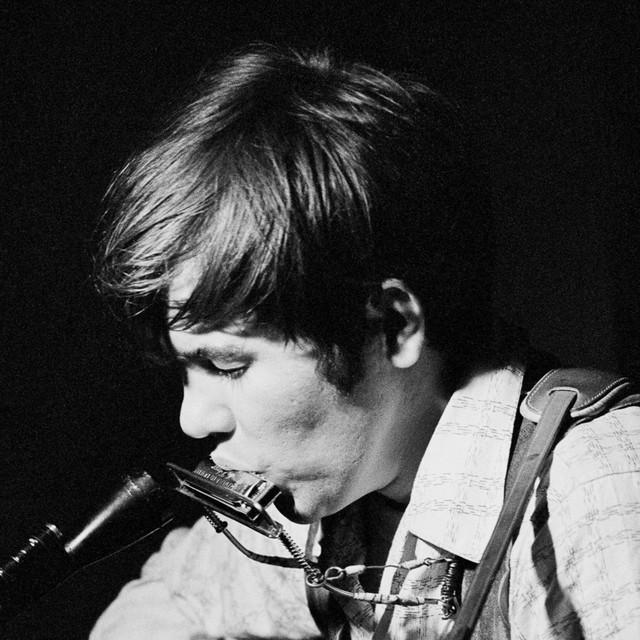
Bill Jerpe’s Spotify BioBill Jerpe (pronounced "Jur-pee") is a folk singer-songwriter from the Mid-Hudson Valley region of New York. Active in the Greenwich Village folk scene of the 1960s, he released a number of studio singles on both EPIC and Columbia Records (in addition to penning songs recorded by other artists, such as the Chet Atkins-produced "Regular On My Mind," performed by Jim Ed Brown.) EPIC purportedly called him “the greatest find since (Bob) Dylan." But after his studio work failed to gain enough of a following to solidify any major record deals, he decided to take matters into his own hands, becoming one of the earliest pioneers of the "self-produced / self-released" album — at a time when it was much more difficult than it is today.
In the winter of 1969, he self-produced his only album to date, the self-titled “Bill Jerpe,” in a motel room outfitted to function as a makeshift recording studio. When it came to distributing the record on a nationwide scale however, Bill again hit a roadblock… and the album ended up falling into obscurity. But after being passed around as an "obscure gem" amongst record collectors for decades, it was finally restored and re-issued in 2016 by Soft Estate Records. And now — over a half century later — Bill's early studio singles have finally been restored and re-issued as well.
Viberate is a music analytics platform built for A&Rs, artist managers, labels, booking agents, marketers, and artists.
It helps music professionals track artist growth, analyze audience data, monitor playlist activity, compare artists, follow song performance, and identify opportunities across the music market.
Public artist pages provide a free preview of selected artist data. Paid plans provide access to deeper analytics, historical data, charts, comparisons, playlist tools, exports, alerts, reports, and additional professional features.
Yes. Public Viberate artist pages provide selected artist analytics and music data for free.
Viberate also offers a 7-day free trial of the full platform. A credit card is required to start the trial. The trial includes access to the complete product so users can test deeper artist analytics, historical views, playlist insights, comparisons, charts, exports, alerts, and reporting features before choosing a paid plan.
Viberate provides artist analytics across streaming, playlists, social media, video, radio airplay, songs, and audience markets.
Users can analyze Spotify performance, Spotify and Apple Music playlists, YouTube activity, TikTok and Instagram growth, radio spins, song performance, audience locations, demographics, rankings, and overall artist momentum.
Artist profiles also connect to music charts, similar artists, and comparison tools, helping users benchmark performance and evaluate artists in context.
Viberate updates key artist and track data daily.
For followed artists and tracks, selected data is refreshed multiple times per day. This helps teams monitor playlist changes, streaming movement, audience growth, releases, and campaign performance with more current data.
Update frequency can vary depending on the metric and data source.
Yes. Viberate lets users compare up to five artists side by side across streaming, social media, audience, and engagement metrics.
Users can compare fanbase growth, audience demographics, locations, Spotify performance, social metrics, and other artist data over selected time periods.
Artist comparison can be used for A&R scouting, benchmarking, booking decisions, campaign planning, and evaluating artists with similar audiences or market positions.