Big Society

Rock
Pop Rock
 Viberate Rank: 378976
 Viberate Rank: 378976
 Monthly ListenersFollowers
 Subscribers
 Followers
 Followers
 FansTop Spotify Songs
| Track | 7-Day Streams | |
|---|---|---|
1 | 268 | |
2 | 44 | |
3 | 26 | |
4 | 26 | |
5 | 18 |
Top YouTube VideosMonthly ListenersFeatured in Playlists| Playlist | Followers | |
|---|---|---|
1 |  Hype Machine Popular Hype Machine | 6.79K |
2 |  Hazy Afternoon | An Acoustic/Folk/Indie Playlist Loop Solitaire | 5.15K |
3 |  indie road trip BROADSTREAM50 | 3.16K |
4 | Indie bangers willmp287 | 1.40K |
5 |  The Ultimate Indoor Trainer Workout! Greg Lunt | 1.30K |
Audience| City | Monthly Listeners | |
|---|---|---|
1 | | 93 |
2 | | 59 |
3 | | 19 |
4 | | 19 |
5 | | 17 |
See full performance history, audience data, playlist activity, rankings, comparisons, and more in Viberate music analytics. Start with a free trial, then continue with a paid plan.
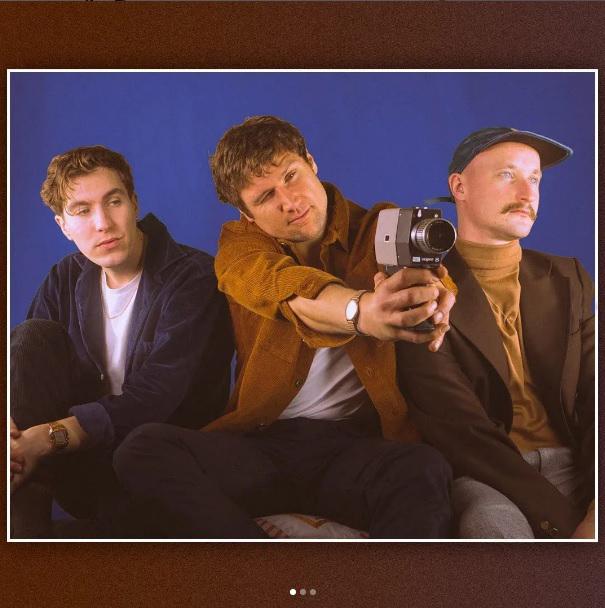
Big Society’s Spotify BioBig Society began at the Royal Northern College of Music, where friends guitarist Thomas Fripp and bassist Harry Gumery met drummer Will Jaquet. They spent hours recording Beatles and Killers covers until Will introduced one of his own songs, and the band was formed.
DIY Mag described their music as "sleazy riffs slathered in distortion with something more tender." They’ve drawn comparisons to MGMT, War On Drugs, and Alabama Shakes.
Their sound has earned them support from Huw Stephens, BBC Introducing, Radio X, Amazing Radio, and playlist spots on The Indie List, Hot New Bands, and more. In 2023, they crossed one million Spotify streams.
Big Society has played sold-out shows in Manchester and London, and appeared at The Great Escape, Live at Leeds, Hit The North, and a prestigious Hyde Park slot supporting Bob Dylan and Neil Young.
Viberate is a music analytics platform built for A&Rs, artist managers, labels, booking agents, marketers, and artists.
It helps music professionals track artist growth, analyze audience data, monitor playlist activity, compare artists, follow song performance, and identify opportunities across the music market.
Public artist pages provide a free preview of selected artist data. Paid plans provide access to deeper analytics, historical data, charts, comparisons, playlist tools, exports, alerts, reports, and additional professional features.
Yes. Public Viberate artist pages provide selected artist analytics and music data for free.
Viberate also offers a 7-day free trial of the full platform. A credit card is required to start the trial. The trial includes access to the complete product so users can test deeper artist analytics, historical views, playlist insights, comparisons, charts, exports, alerts, and reporting features before choosing a paid plan.
Viberate provides artist analytics across streaming, playlists, social media, video, radio airplay, songs, and audience markets.
Users can analyze Spotify performance, Spotify and Apple Music playlists, YouTube activity, TikTok and Instagram growth, radio spins, song performance, audience locations, demographics, rankings, and overall artist momentum.
Artist profiles also connect to music charts, similar artists, and comparison tools, helping users benchmark performance and evaluate artists in context.
Viberate updates key artist and track data daily.
For followed artists and tracks, selected data is refreshed multiple times per day. This helps teams monitor playlist changes, streaming movement, audience growth, releases, and campaign performance with more current data.
Update frequency can vary depending on the metric and data source.
Yes. Viberate lets users compare up to five artists side by side across streaming, social media, audience, and engagement metrics.
Users can compare fanbase growth, audience demographics, locations, Spotify performance, social metrics, and other artist data over selected time periods.
Artist comparison can be used for A&R scouting, benchmarking, booking decisions, campaign planning, and evaluating artists with similar audiences or market positions.