Big Scoob

Hip Hop
Contemporary Hip Hop
 Viberate Rank: 51172
 Viberate Rank: 51172
 Monthly ListenersFollowers
 Subscribers
 Followers
 Followers
 FansTop Spotify Songs
| Track | 7-Day Streams | |
|---|---|---|
1 | 14.91K | |
2 | 12.70K | |
3 | 12.12K | |
4 | 9.90K | |
5 | 9.25K |
Top YouTube Videos| Video | 7-Day Views | |
|---|---|---|
1 | 86.75K | |
2 | 11.67K | |
3 | 6.75K | |
4 | 2.24K | |
5 | 2.22K |
Monthly ListenersFeatured in Playlists| Playlist | Followers | |
|---|---|---|
1 |  Lil Wayne Greatest Hits Marvin.K.Mariga | 141.47K |
2 | 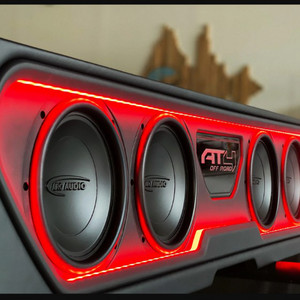 ⚠️ SUBWOOF THIS ⚠️ DJ SHATTER 69 | 114.40K |
3 |  This Is E-40 Spotify | 48.34K |
4 |  This Is Yo Gotti Spotify | 33.80K |
5 |  Skateboard Hip Hop Gal Tesler | 27.80K |
Audience| City | Monthly Listeners | |
|---|---|---|
1 | | 3.13K |
2 | | 2.93K |
3 | | 2.84K |
4 | | 2.53K |
5 | | 2.44K |
See full performance history, audience data, playlist activity, rankings, comparisons, and more in Viberate music analytics. Start with a free trial, then continue with a paid plan.
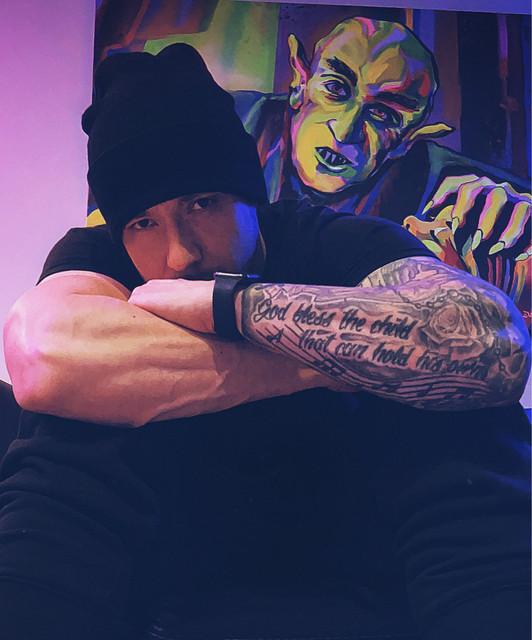
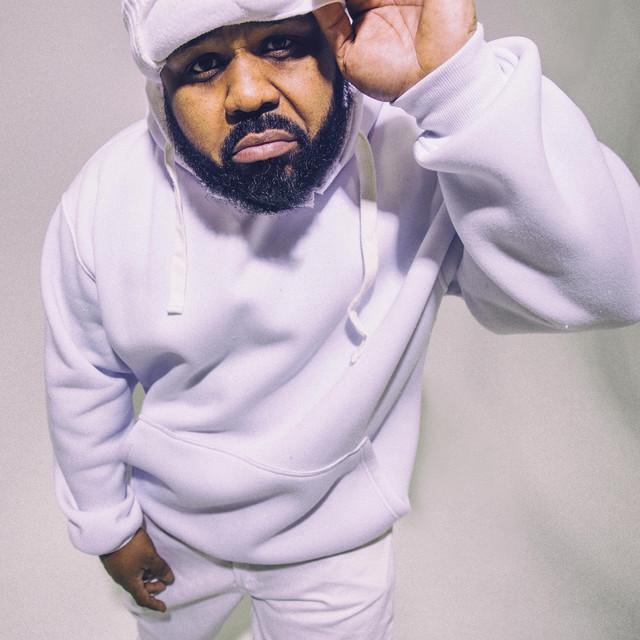
Big Scoob’s Spotify BioBig Scoob has been known in the Kansas City streets for years. He started making a name for himself on the city’s emerging rap scene in the 1990s. He worked with the 57th Street Rogue Dog Villains, helping establish the underground gangster sound Missouri would be known for.
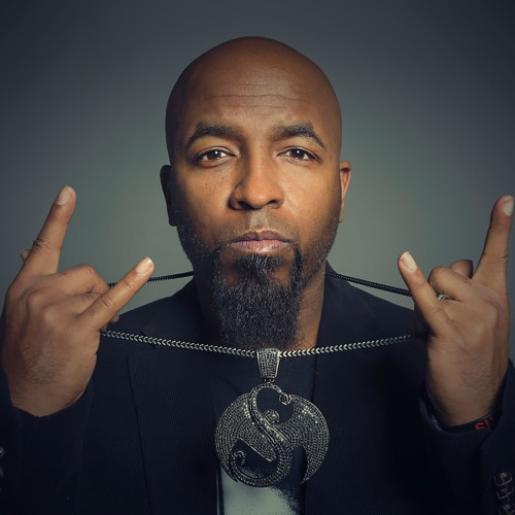
When Big Scoob began focusing on his musical aspirations, he learned some creative lessons from Tech N9ne. Working on different delivery styles and patterns, Tech told him to let the beat tell him what to write about. “When I first started rapping, Tech taught me how to count bars,” Big Scoob recalls.
In 2009, Big Scoob released his Monsterifik album, which featured “Salue” with Tech N9ne and “Big Fella.” Big Scoob’s output increased exponentially in 2011; releasing both the Damn Fool album and No Filter EP.
With a career defined by some of Strange Music’s hardest material, Big Scoob shifted his focus to the political and sociological state of America on H.O.G., his 2016 album. Short for Hand Of God, H.O.G. featured… such searing selections as “A.B.N.,” short for America’s Biggest Nightmare. In the song, which features Killer Mike and Bumpy Knuckles, Big Scoob and his guests explain that a black man with an education is America’s Biggest Nightmare.
For Duality, though, Big Scoob wanted to put the focus on himself. It was a necessary step in the process for his personal recovery.
With Duality, Big Scoob is standing tall. And strong. Again.
Viberate is a music analytics platform built for A&Rs, artist managers, labels, booking agents, marketers, and artists.
It helps music professionals track artist growth, analyze audience data, monitor playlist activity, compare artists, follow song performance, and identify opportunities across the music market.
Public artist pages provide a free preview of selected artist data. Paid plans provide access to deeper analytics, historical data, charts, comparisons, playlist tools, exports, alerts, reports, and additional professional features.
Yes. Public Viberate artist pages provide selected artist analytics and music data for free.
Viberate also offers a 7-day free trial of the full platform. A credit card is required to start the trial. The trial includes access to the complete product so users can test deeper artist analytics, historical views, playlist insights, comparisons, charts, exports, alerts, and reporting features before choosing a paid plan.
Viberate provides artist analytics across streaming, playlists, social media, video, radio airplay, songs, and audience markets.
Users can analyze Spotify performance, Spotify and Apple Music playlists, YouTube activity, TikTok and Instagram growth, radio spins, song performance, audience locations, demographics, rankings, and overall artist momentum.
Artist profiles also connect to music charts, similar artists, and comparison tools, helping users benchmark performance and evaluate artists in context.
Viberate updates key artist and track data daily.
For followed artists and tracks, selected data is refreshed multiple times per day. This helps teams monitor playlist changes, streaming movement, audience growth, releases, and campaign performance with more current data.
Update frequency can vary depending on the metric and data source.
Yes. Viberate lets users compare up to five artists side by side across streaming, social media, audience, and engagement metrics.
Users can compare fanbase growth, audience demographics, locations, Spotify performance, social metrics, and other artist data over selected time periods.
Artist comparison can be used for A&R scouting, benchmarking, booking decisions, campaign planning, and evaluating artists with similar audiences or market positions.