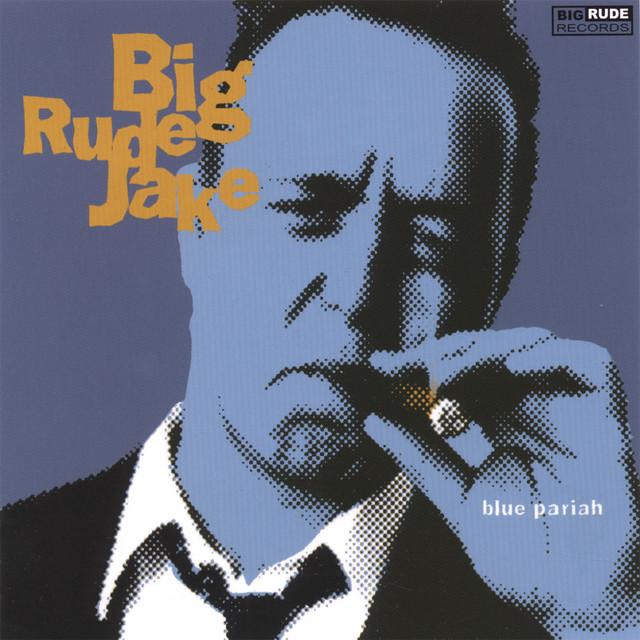
Big Rude Jake

Blues
Blues Rock
Swing
 Viberate Rank: 338303
 Viberate Rank: 338303
 Monthly ListenersFollowers
 Subscribers
 Followers
 Followers
 FansTop Spotify Songs
| Track | 7-Day Streams | |
|---|---|---|
1 | 977 | |
2 | 83 | |
3 | 81 | |
4 | 47 | |
5 | 44 |
Top YouTube Videos| Video | 7-Day Views | |
|---|---|---|
1 | 61 | |
2 | 43 | |
3 | 35 | |
4 | 25 | |
5 | 20 |
Monthly ListenersFeatured in Playlists| Playlist | Followers | |
|---|---|---|
1 |  Swing Revival Spotify | 128.76K |
2 |  HI-RES , HI FI, LOSSLESS, HI END, SOUND3D. MUSIC FOR AUDIOPHILES TEST purodemalta | 16.49K |
3 |  Hillbilly Murder Music Tim Walker | 4.95K |
4 |  Vintage Halloween Spooks Mandy Arnold | 4.61K |
5 |  La Femme Nikita Soundtrack 122654881 | 3.67K |
Audience| City | Monthly Listeners | |
|---|---|---|
1 | | 63 |
2 |  | 40 |
3 | | 36 |
4 | | 34 |
5 | | 31 |
See full performance history, audience data, playlist activity, rankings, comparisons, and more in Viberate music analytics. Start with a free trial, then continue with a paid plan.
Big Rude Jake’s Spotify BioLike most neo-swing bands who gained a greater measure of commercial popularity in the late 1990s, Ontario's Big Rude Jake and his band had been living the style long before Swingers and Gap commercials. Like the Brian Setzer Orchestra, Cherry Poppin' Daddies, and Big Bad Voodoo Daddy, Jake had been playing small clubs and bars for years, shaking up the swing with jazz, Cajun, rockabilly, and poetry.
Big Rude Jake (frontman, founder, and soul of the band) was a self-styled hepcat and a boisterous and entertaining live performer who espoused the cool cat aura of a true swing man. Hoping to ride the wave of rising Canadian bands in the 1990s, the group cut their first CD, Butane Fumes and Bad Cologne, in 1993 and toured all over Canada on the strength of their live shows. Despite their loyal following and regional notice in the American Midwest with the single "Swing Baby," the band quit the Canadian music business in 1997 and moved to New York, where the band quit on Jake.
With a new set… of bandmates and a new record deal, Big Jake continued to tour with neo-swing headliners like Brian Setzer, and released a self-titled album in 1999. Mixing a variety of jazz-influenced styles from jump blues to swing to ragtime, the band boasted a crackerjack set of musicians, including Jake on acoustic guitar. Truly a student of jazz and its related folk and literary traditions, Jake infused his musical creations with vivid stories of imperfect cats and kittens tinged with dark irony, humor, and contemporary heartache. Big Rude Jake (aka Andrew Jacob Hiebert) died on June 16, 2022 from cancer of the bladder. He was 59 years old. ~ Theresa E. LaVeck, Rovi
Viberate is a music analytics platform built for A&Rs, artist managers, labels, booking agents, marketers, and artists.
It helps music professionals track artist growth, analyze audience data, monitor playlist activity, compare artists, follow song performance, and identify opportunities across the music market.
Public artist pages provide a free preview of selected artist data. Paid plans provide access to deeper analytics, historical data, charts, comparisons, playlist tools, exports, alerts, reports, and additional professional features.
Yes. Public Viberate artist pages provide selected artist analytics and music data for free.
Viberate also offers a 7-day free trial of the full platform. A credit card is required to start the trial. The trial includes access to the complete product so users can test deeper artist analytics, historical views, playlist insights, comparisons, charts, exports, alerts, and reporting features before choosing a paid plan.
Viberate provides artist analytics across streaming, playlists, social media, video, radio airplay, songs, and audience markets.
Users can analyze Spotify performance, Spotify and Apple Music playlists, YouTube activity, TikTok and Instagram growth, radio spins, song performance, audience locations, demographics, rankings, and overall artist momentum.
Artist profiles also connect to music charts, similar artists, and comparison tools, helping users benchmark performance and evaluate artists in context.
Viberate updates key artist and track data daily.
For followed artists and tracks, selected data is refreshed multiple times per day. This helps teams monitor playlist changes, streaming movement, audience growth, releases, and campaign performance with more current data.
Update frequency can vary depending on the metric and data source.
Yes. Viberate lets users compare up to five artists side by side across streaming, social media, audience, and engagement metrics.
Users can compare fanbase growth, audience demographics, locations, Spotify performance, social metrics, and other artist data over selected time periods.
Artist comparison can be used for A&R scouting, benchmarking, booking decisions, campaign planning, and evaluating artists with similar audiences or market positions.