Big Grams

Hip Hop
Alternative Hip Hop
Other Electronic Music
 Viberate Rank: 104281
 Viberate Rank: 104281
 Monthly ListenersFollowers
 Subscribers
 Followers
 Followers
 FansTop Spotify Songs
| Track | 7-Day Streams | |
|---|---|---|
1 | 6.56K | |
2 | 6.06K | |
3 | 5.24K | |
4 | 4.37K | |
5 | 3.87K |
Top YouTube VideosMonthly ListenersFeatured in Playlists| Playlist | Followers | |
|---|---|---|
1 | Viral 50: UK Spotify UK | 50.19K |
2 |  NIKE RUNNING H.I.T. & RUN Nike Run Club | 38.53K |
3 | Trap/Rap EDM Remix Ray Ray | 35.50K |
4 |  NPR All Songs Considered - The Bob Boilen years (unofficial) Fri Tsch | 30.02K |
5 |  Coding Programming Hacking Slashing Techno Tim | 19.79K |
Audience| City | Monthly Listeners | |
|---|---|---|
1 | | 1.37K |
2 | | 1.16K |
3 | | 1.12K |
4 | | 929 |
5 | | 855 |
See full performance history, audience data, playlist activity, rankings, comparisons, and more in Viberate music analytics. Start with a free trial, then continue with a paid plan.
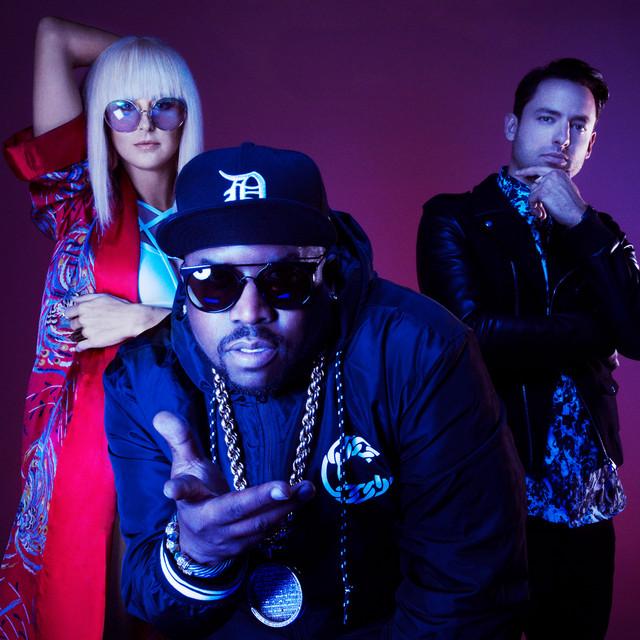
Big Grams’ Spotify BioBig Grams is a collaboration between Greenwich, New York indie electronic duo Phantogram (Sarah Barthel and Josh Carter) and rapper Big Boi (Antwan Patton) of Atlanta-based hip-hop duo OutKast, in which the artists allow themselves to venture out of their respective comfort zones and experiment with ideas they wouldn't have explored with their own projects. The two acts connected after Big Boi discovered Phantogram's music via an Internet pop-up ad; he posted about their music online, and the duo, who counted OutKast as one of their biggest influences, responded enthusiastically. They eventually met in person at a music festival in California, and Big Boi invited the duo to work with him. Phantogram contributed to three songs on Big Boi's second solo album, Vicious Lies & Dangerous Rumours, in 2012. The three individuals remained close friends, and in 2014 Barthel announced that they were planning on releasing an EP together. In the summer of 2015, Big Boi and Phantogram officially… branded their collaborative project Big Grams, and announced the release of a self-titled seven-song EP featuring guest appearances by Skrillex and Run the Jewels, preceded by first single "Fell into the Sun." ~ Paul Simpson
Viberate is a music analytics platform built for A&Rs, artist managers, labels, booking agents, marketers, and artists.
It helps music professionals track artist growth, analyze audience data, monitor playlist activity, compare artists, follow song performance, and identify opportunities across the music market.
Public artist pages provide a free preview of selected artist data. Paid plans provide access to deeper analytics, historical data, charts, comparisons, playlist tools, exports, alerts, reports, and additional professional features.
Yes. Public Viberate artist pages provide selected artist analytics and music data for free.
Viberate also offers a 7-day free trial of the full platform. A credit card is required to start the trial. The trial includes access to the complete product so users can test deeper artist analytics, historical views, playlist insights, comparisons, charts, exports, alerts, and reporting features before choosing a paid plan.
Viberate provides artist analytics across streaming, playlists, social media, video, radio airplay, songs, and audience markets.
Users can analyze Spotify performance, Spotify and Apple Music playlists, YouTube activity, TikTok and Instagram growth, radio spins, song performance, audience locations, demographics, rankings, and overall artist momentum.
Artist profiles also connect to music charts, similar artists, and comparison tools, helping users benchmark performance and evaluate artists in context.
Viberate updates key artist and track data daily.
For followed artists and tracks, selected data is refreshed multiple times per day. This helps teams monitor playlist changes, streaming movement, audience growth, releases, and campaign performance with more current data.
Update frequency can vary depending on the metric and data source.
Yes. Viberate lets users compare up to five artists side by side across streaming, social media, audience, and engagement metrics.
Users can compare fanbase growth, audience demographics, locations, Spotify performance, social metrics, and other artist data over selected time periods.
Artist comparison can be used for A&R scouting, benchmarking, booking decisions, campaign planning, and evaluating artists with similar audiences or market positions.