Big Fun

Pop
Mainstream Pop
 Viberate Rank: 143637
 Viberate Rank: 143637
 Monthly ListenersFollowers
 Subscribers
 Followers
 Followers
 FansTop Spotify Songs
| Track | 7-Day Streams | |
|---|---|---|
1 | 4.45K | |
2 | 1.91K | |
3 | 884 | |
4 | 830 | |
5 | 136 |
Top YouTube VideosMonthly ListenersFeatured in Playlists| Playlist | Followers | |
|---|---|---|
1 |  Now 1 - 114 (1983 - 2023) Now That's What I Call Music 1 - 114 abundantmusic | 56.69K |
2 |  80s Hits Top 1000 Legacy Of Music | 27.16K |
3 | One Hit Wonders 80 - 90 Niklas Berg | 18.29K |
4 | 550+ one hit wonders and tons more hits, one hits, big hits marttain82 | 15.73K |
5 | Top 1000 jaren 80 Hits 1193914754 | 14.36K |
Audience| City | Monthly Listeners | |
|---|---|---|
1 | | 518 |
2 |  | 429 |
3 | | 369 |
4 |  | 212 |
5 | | 201 |
See full performance history, audience data, playlist activity, rankings, comparisons, and more in Viberate music analytics. Start with a free trial, then continue with a paid plan.
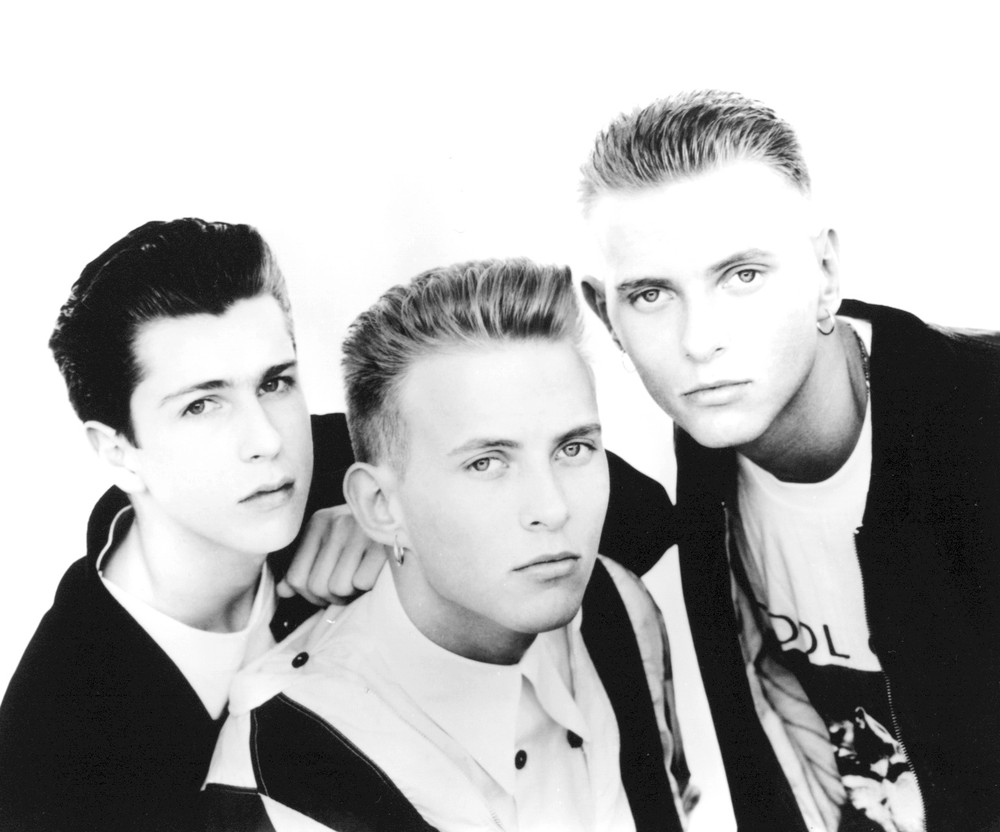
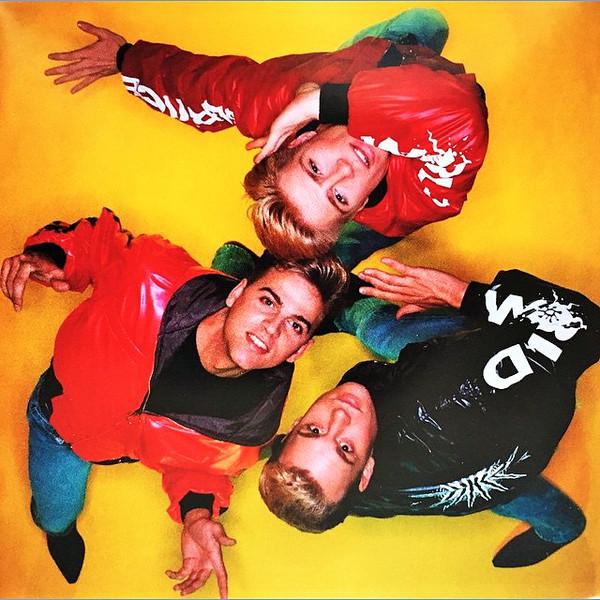
Big Fun’s Spotify BioThis UK group comprised Philip Creswick (b. 12 October 1965, Charlwood, Surrey, England; vocals), Mark Gillespie (b. 28 November 1966, Elgin, Scotland; vocals) and Jason John (b. 18 March 1967, Coventry, Warwickshire, England; vocals). Encouraged by their friends, they started singing and dancing together, and then recorded with the house specialist, Marshall Jefferson. These sessions were enough to interest Stock, Aitken And Waterman, whose production work contributed significantly to their UK number 4 hit in 1989, with a revival of the Jacksons’ ‘Blame It On The Boogie’. The fresh-faced youths’ next single also went into the UK Top 10. Stock, Aitken And Waterman then teamed them with Sonia and achieved success on ‘You’ve Got A Friend’. Their biggest claim to fame was having three simultaneous Top 15 hits in Spain.
Viberate is a music analytics platform built for A&Rs, artist managers, labels, booking agents, marketers, and artists.
It helps music professionals track artist growth, analyze audience data, monitor playlist activity, compare artists, follow song performance, and identify opportunities across the music market.
Public artist pages provide a free preview of selected artist data. Paid plans provide access to deeper analytics, historical data, charts, comparisons, playlist tools, exports, alerts, reports, and additional professional features.
Yes. Public Viberate artist pages provide selected artist analytics and music data for free.
Viberate also offers a 7-day free trial of the full platform. A credit card is required to start the trial. The trial includes access to the complete product so users can test deeper artist analytics, historical views, playlist insights, comparisons, charts, exports, alerts, and reporting features before choosing a paid plan.
Viberate provides artist analytics across streaming, playlists, social media, video, radio airplay, songs, and audience markets.
Users can analyze Spotify performance, Spotify and Apple Music playlists, YouTube activity, TikTok and Instagram growth, radio spins, song performance, audience locations, demographics, rankings, and overall artist momentum.
Artist profiles also connect to music charts, similar artists, and comparison tools, helping users benchmark performance and evaluate artists in context.
Viberate updates key artist and track data daily.
For followed artists and tracks, selected data is refreshed multiple times per day. This helps teams monitor playlist changes, streaming movement, audience growth, releases, and campaign performance with more current data.
Update frequency can vary depending on the metric and data source.
Yes. Viberate lets users compare up to five artists side by side across streaming, social media, audience, and engagement metrics.
Users can compare fanbase growth, audience demographics, locations, Spotify performance, social metrics, and other artist data over selected time periods.
Artist comparison can be used for A&R scouting, benchmarking, booking decisions, campaign planning, and evaluating artists with similar audiences or market positions.