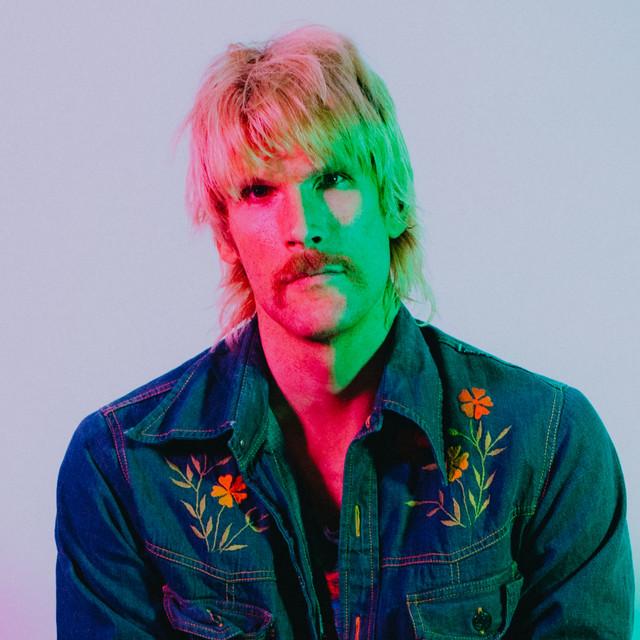
Big Fear

Pop
Indie Pop
 Viberate Rank: 304923
 Viberate Rank: 304923
 Monthly ListenersFollowers
 Subscribers
 Followers
 Followers
 FansTop Spotify Songs
| Track | 7-Day Streams | |
|---|---|---|
1 | 1.12K | |
2 | 591 | |
3 | 543 | |
4 | 540 | |
5 | 233 |
Top YouTube VideosMonthly ListenersFeatured in Playlists| Playlist | Followers | |
|---|---|---|
1 |  undiscovered & brilliant / hidden gems / 💎 indiemono | 12.48K |
2 |  pov: you're in a edit Inxane Music | 6.20K |
3 |  A Classic Harley Quinn Playlist angela | 2.19K |
Audience| City | Monthly Listeners | |
|---|---|---|
1 |  | 384 |
2 | | 120 |
3 |  | 85 |
4 | | 84 |
5 |  | 80 |
See full performance history, audience data, playlist activity, rankings, comparisons, and more in Viberate music analytics. Start with a free trial, then continue with a paid plan.
Big Fear’s Spotify BioBig Fear—like Big Pharma, Big Tech, Big Dick—is a vaguely menacing and all-encompassing boogeyman; a reckoning with fear itself. Formed by Alice Edwards (lead vocals), Jack Wilkinson (guitar) and Ben Crone (synth), the London trio explores the point where terror curdles into apathy. Self-reflexively dystopian and operatic, Big Fears’ songs are synth-throbbing generational anthems served with an almost ironic pomp.
Edwards draws such a powerful reaction, in part, because they give a megaphone to those who have scarcely been represented before. Asexual and nonbinary, Edwards says they’ve experienced “a distinct separation from a media and music and culture” that has privileged romantic and gender essentialist narratives. A shrewd storyteller and wild performer with a sharp viewpoint, Edwards is forging a place of belonging for outsiders. Here, in Big Fear’s world, sex isn’t the be all and end all, but a kind of joke, one that Edwards sings about with a cloying wink and a dispassionate… remove. It’s why only they could possibly come up with that crab line. It’s why only they could take on the force that is Big Fear.
Viberate is a music analytics platform built for A&Rs, artist managers, labels, booking agents, marketers, and artists.
It helps music professionals track artist growth, analyze audience data, monitor playlist activity, compare artists, follow song performance, and identify opportunities across the music market.
Public artist pages provide a free preview of selected artist data. Paid plans provide access to deeper analytics, historical data, charts, comparisons, playlist tools, exports, alerts, reports, and additional professional features.
Yes. Public Viberate artist pages provide selected artist analytics and music data for free.
Viberate also offers a 7-day free trial of the full platform. A credit card is required to start the trial. The trial includes access to the complete product so users can test deeper artist analytics, historical views, playlist insights, comparisons, charts, exports, alerts, and reporting features before choosing a paid plan.
Viberate provides artist analytics across streaming, playlists, social media, video, radio airplay, songs, and audience markets.
Users can analyze Spotify performance, Spotify and Apple Music playlists, YouTube activity, TikTok and Instagram growth, radio spins, song performance, audience locations, demographics, rankings, and overall artist momentum.
Artist profiles also connect to music charts, similar artists, and comparison tools, helping users benchmark performance and evaluate artists in context.
Viberate updates key artist and track data daily.
For followed artists and tracks, selected data is refreshed multiple times per day. This helps teams monitor playlist changes, streaming movement, audience growth, releases, and campaign performance with more current data.
Update frequency can vary depending on the metric and data source.
Yes. Viberate lets users compare up to five artists side by side across streaming, social media, audience, and engagement metrics.
Users can compare fanbase growth, audience demographics, locations, Spotify performance, social metrics, and other artist data over selected time periods.
Artist comparison can be used for A&R scouting, benchmarking, booking decisions, campaign planning, and evaluating artists with similar audiences or market positions.