Big Dumb Face

Metal
Alternative Metal
Folk Metal
 Viberate Rank: 323842
 Viberate Rank: 323842
 Monthly ListenersFollowers
 Subscribers
 Followers
 Followers
 FansTop Spotify Songs
| Track | 7-Day Streams | |
|---|---|---|
1 | 610 | |
2 | 452 | |
3 | 422 | |
4 | 369 | |
5 | 265 |
Top YouTube Videos| Video | 7-Day Views | |
|---|---|---|
1 | 431 |
Monthly ListenersFeatured in Playlists| Playlist | Followers | |
|---|---|---|
1 |  Tobias Fate Playlist (Unofficial) maheil314 | 18.66K |
2 |  ☆ Rock Forever ☆ (Greatest Hits) Alexie Mc | 1.43K |
3 |  This Is Wes Borland Dave | 1.15K |
Audience| City | Monthly Listeners | |
|---|---|---|
1 | | 80 |
2 |  | 54 |
3 | | 51 |
4 | | 50 |
5 | | 48 |
See full performance history, audience data, playlist activity, rankings, comparisons, and more in Viberate music analytics. Start with a free trial, then continue with a paid plan.
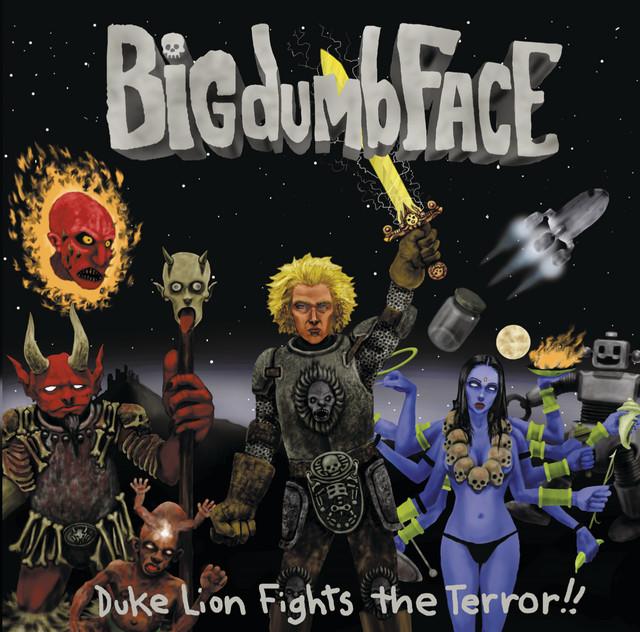
Big Dumb Face’s Spotify BioWhen he's not wearing skeleton face makeup alongside Fred Durst in the more-macho-than-thou Limp Bizkit, Wes Borland tends to prefer a more subdued, playful brand of music. Big Dumb Face, which consists of him, his brother, and a group of pre-Limp Bizkit friends, reveals this softer, geekier side. And, because Limp Bizkit has been one of the most popular bands of the late '90s and beyond, this side project's debut has garnered much attention and a major label deal. The group's first LP, Duke Lion Fights the Terror, was released in 2001 on Interscope Records. Although the current incarnation is new, the majority of Big Dumb Face's lineup is descended from Goatslayer, a band Borland left when fulfilling touring duties for Limp Bizkit. Musically and lyrically, it's many solar systems removed from Limp Bizkit. Fans of that band may be disappointed to hear that Big Dumb Face is an attempt to mimic the comic experimental tendencies of Ween and old Mr. Bungle. This is a project created with… modest ambitions, though, and therefore does not live up to the musical standards of Borland's idols. Either way, there's no hardcore rap-rock here. Borland reportedly played all the instruments on the first album in his home recording studio, with just a little help from brother Scott and friend Kyle Weeks. The official touring lineup includes both Borlands, Weeks, drummer Greg Isabel, and bassist Chris Gibbs. All have adopted long-winded aliases like "Tongue of Calicab" and "the Cardboard Urinal." In that vein, the album tells the story of a mythical Duke, whom Borland describes as "this idiot barbarian guy." Tracks feature Borland running around the halls of his home making noise, and the music ranges from Dr. Demento-esque variety-show pop to alternative country à la Ween. ~ Kieran McCarthy, Rovi
Viberate is a music analytics platform built for A&Rs, artist managers, labels, booking agents, marketers, and artists.
It helps music professionals track artist growth, analyze audience data, monitor playlist activity, compare artists, follow song performance, and identify opportunities across the music market.
Public artist pages provide a free preview of selected artist data. Paid plans provide access to deeper analytics, historical data, charts, comparisons, playlist tools, exports, alerts, reports, and additional professional features.
Yes. Public Viberate artist pages provide selected artist analytics and music data for free.
Viberate also offers a 7-day free trial of the full platform. A credit card is required to start the trial. The trial includes access to the complete product so users can test deeper artist analytics, historical views, playlist insights, comparisons, charts, exports, alerts, and reporting features before choosing a paid plan.
Viberate provides artist analytics across streaming, playlists, social media, video, radio airplay, songs, and audience markets.
Users can analyze Spotify performance, Spotify and Apple Music playlists, YouTube activity, TikTok and Instagram growth, radio spins, song performance, audience locations, demographics, rankings, and overall artist momentum.
Artist profiles also connect to music charts, similar artists, and comparison tools, helping users benchmark performance and evaluate artists in context.
Viberate updates key artist and track data daily.
For followed artists and tracks, selected data is refreshed multiple times per day. This helps teams monitor playlist changes, streaming movement, audience growth, releases, and campaign performance with more current data.
Update frequency can vary depending on the metric and data source.
Yes. Viberate lets users compare up to five artists side by side across streaming, social media, audience, and engagement metrics.
Users can compare fanbase growth, audience demographics, locations, Spotify performance, social metrics, and other artist data over selected time periods.
Artist comparison can be used for A&R scouting, benchmarking, booking decisions, campaign planning, and evaluating artists with similar audiences or market positions.