Bibobit

R&B
Contemporary R&B
 Viberate Rank: 249749
 Viberate Rank: 249749
 Monthly ListenersFollowers
 Subscribers
 Followers
 Followers
 FansTop YouTube VideosMonthly ListenersFeatured in Playlists
| Playlist | Followers | |
|---|---|---|
1 |  Polska muzyka kaczor91 | 3.66K |
2 |  Next Fest 2025 Spotify | 1.90K |
3 | Polski jazz marcelllll98 | 1.86K |
4 |  31. Pol'and'Rock Festival Pol’and’Rock Festival | 1.39K |
5 |  ~LP3(57) 1982-2025 Grzegorz Chwierut | 1.24K |
Audience| City | Monthly Listeners | |
|---|---|---|
1 | | 268 |
2 | | 156 |
3 | | 119 |
4 | | 76 |
5 | | 66 |
See full performance history, audience data, playlist activity, rankings, comparisons, and more in Viberate music analytics. Start with a free trial, then continue with a paid plan.
Bibobit’s Spotify BioAby tworzyć muzykę, zjeżdżają się na zespołowe campy, bo na co dzień każdy mieszka w innym mieście.
Gdy się poznali, wszyscy mieli już za sobą niemałe muzyczne przygody. Począwszy od progmetalowych kapel, aż po filharmonie. Ale ich największą miłością był i jest JAZZ, który elastycznie łączą z elektroniką i groovem, w jedyny, charakterystyczny dla siebie sposób.
Nie lubią muzycznych szuflad.
Na koncie mają dwa albumy, a trzeci w drodze. Wydany w 2021 „Co to za czas”
z tekstami Agnieszki Osieckiej otrzymał miano trzeciej najlepszej płyty z polską muzyką zdaniem dziennikarzy muzycznych portalu Onet.
Pierwszy „Podróżnik”, JazzPRESS określił „energetyczną petardą o sile bomby termobarycznej".
Entuzjastyczne recenzje doprowadziły ich do wielu koncertów na czele z takimi wydarzeniami jak Męskie Granie, Pol`and`Rock, Orange Warsaw czy Jazz Around.
Muzyczna wrażliwość tego zespołu jest jak neuroprzekaźnik – związek chemiczny, którego cząsteczki przenoszą sygnały z komórek nerwowych do mięśniowych :)… Serotonina, dopamina, endorfina - to główne składowe "biochemii", która się między nimi wytwarza.
Autorem tekstów w Bibobicie jest Daniel Moszczyński. Najważniejszymi tematami są dla niego wolność oraz świadomość. Te dwa elementy idealnie charakteryzują także muzyczny klimat zespołu.
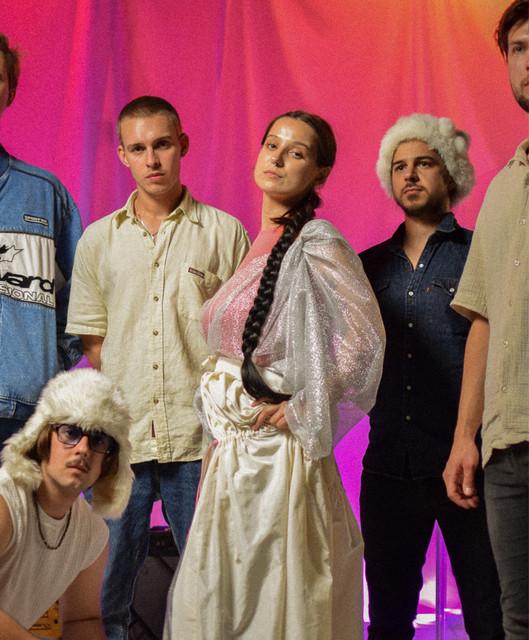
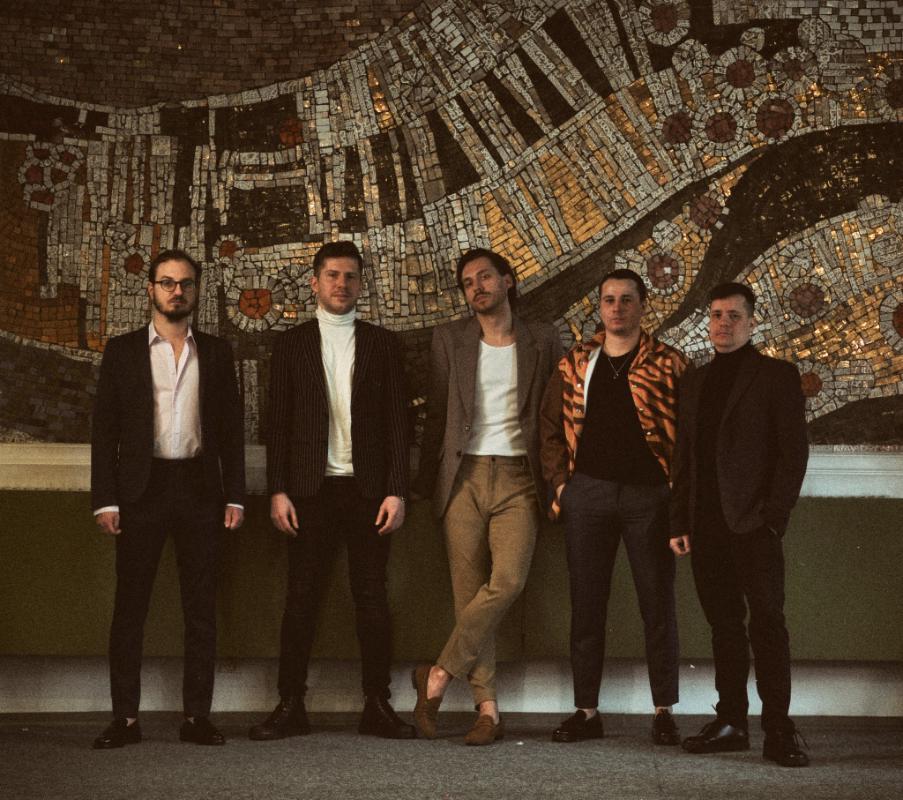
Skład:
Daniel Moszczyński - wokal
Bartek Pietsch - gitara basowa, synth bass
Adam Lemańczyk - piano, syntezatory
Jan Adamczewski - saksofony
Waldemar Franczyk - perkusja
Viberate is a music analytics platform built for A&Rs, artist managers, labels, booking agents, marketers, and artists.
It helps music professionals track artist growth, analyze audience data, monitor playlist activity, compare artists, follow song performance, and identify opportunities across the music market.
Public artist pages provide a free preview of selected artist data. Paid plans provide access to deeper analytics, historical data, charts, comparisons, playlist tools, exports, alerts, reports, and additional professional features.
Yes. Public Viberate artist pages provide selected artist analytics and music data for free.
Viberate also offers a 7-day free trial of the full platform. A credit card is required to start the trial. The trial includes access to the complete product so users can test deeper artist analytics, historical views, playlist insights, comparisons, charts, exports, alerts, and reporting features before choosing a paid plan.
Viberate provides artist analytics across streaming, playlists, social media, video, radio airplay, songs, and audience markets.
Users can analyze Spotify performance, Spotify and Apple Music playlists, YouTube activity, TikTok and Instagram growth, radio spins, song performance, audience locations, demographics, rankings, and overall artist momentum.
Artist profiles also connect to music charts, similar artists, and comparison tools, helping users benchmark performance and evaluate artists in context.
Viberate updates key artist and track data daily.
For followed artists and tracks, selected data is refreshed multiple times per day. This helps teams monitor playlist changes, streaming movement, audience growth, releases, and campaign performance with more current data.
Update frequency can vary depending on the metric and data source.
Yes. Viberate lets users compare up to five artists side by side across streaming, social media, audience, and engagement metrics.
Users can compare fanbase growth, audience demographics, locations, Spotify performance, social metrics, and other artist data over selected time periods.
Artist comparison can be used for A&R scouting, benchmarking, booking decisions, campaign planning, and evaluating artists with similar audiences or market positions.