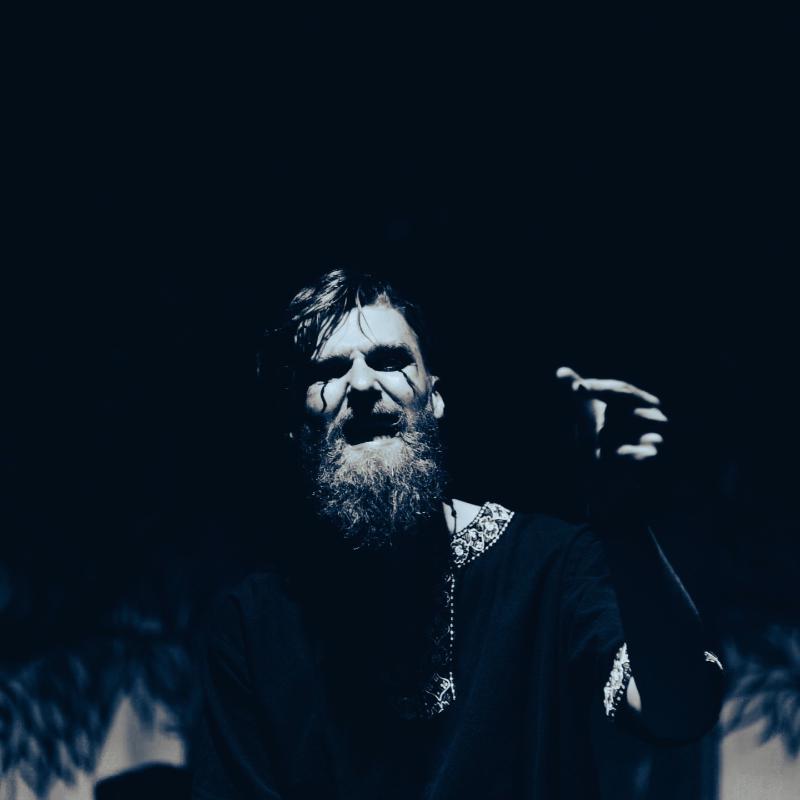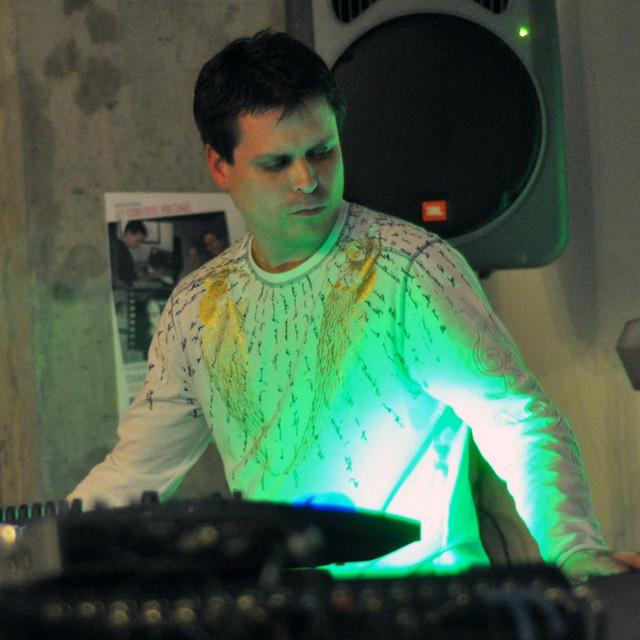
Between Interval

Electronic
Downtempo
 Viberate Rank: 229994
 Viberate Rank: 229994
 Monthly ListenersFollowers
 Subscribers
 Followers
 Followers
 FansTop Spotify Songs
| Track | 7-Day Streams | |
|---|---|---|
1 | 803 | |
2 | 506 | |
3 | 495 | |
4 | 478 | |
5 | 359 |
Top YouTube VideosMonthly ListenersFeatured in Playlists| Playlist | Followers | |
|---|---|---|
1 |  EPIC SPACE MUSIC // DEEP ELECTRONIC IOTO music | 59.81K |
2 |  Space Music 🚀 Brandon Fiechter | 38.20K |
3 |  Space Music for Sleep Nick Fithian | 25.17K |
4 |  Cyberpunk dondemon | 16.10K |
5 | Dark Ambience winslow12 | 13.70K |
Audience| City | Monthly Listeners | |
|---|---|---|
1 |  | 108 |
2 |  | 95 |
3 |  | 78 |
4 | | 68 |
5 |  | 65 |
See full performance history, audience data, playlist activity, rankings, comparisons, and more in Viberate music analytics. Start with a free trial, then continue with a paid plan.
Between Interval’s Spotify BioBehind the music project and pseudonym ”Between Interval” is Stefan Strand, electronica composer and producer based in the Scania/Öresund region of Sweden. Born in 1982 with a childhood imprinted by 8-bit video game music and cheesy euro dance, his father's Pink Floyd LP records from the 70's gave an early introduction to ambient soundscapes, suggesting that music could be more profound than just a catchy melody. Stefan started composing music late 1996, at that time heavily influenced by techno, psy trance & house genres. A few years later he found his way to the vast ambient sound worlds inspired by artists like Steve Roach, Robert Rich, Aphex Twin and Kenji Kawai.
The first Between Interval album – Radio Silence, a soundtrack to an imaginary dystopian world – was finished in 2004 and released on black CDR. The second album, Secret Observatory, consisting of four long seamless space music tracks, was his first official release picked up by US label Spotted Peccary in 2005. It was… followed by Autumn Continent in 2006, inspired by the calm somberness of the dark months of the year. In 2007 Radio Silence was remastered and re-released on Spotted Peccary, followed up two years later by The Edge of a Fairytale, an atmospheric world of sounds inspired by mythological creatures and places. In 2017, following some years of musical hiatus, LEGACY was released - a deep sci-fi journey with elements of electronica, dub techno, space music and Berlin school.
Viberate is a music analytics platform built for A&Rs, artist managers, labels, booking agents, marketers, and artists.
It helps music professionals track artist growth, analyze audience data, monitor playlist activity, compare artists, follow song performance, and identify opportunities across the music market.
Public artist pages provide a free preview of selected artist data. Paid plans provide access to deeper analytics, historical data, charts, comparisons, playlist tools, exports, alerts, reports, and additional professional features.
Yes. Public Viberate artist pages provide selected artist analytics and music data for free.
Viberate also offers a 7-day free trial of the full platform. A credit card is required to start the trial. The trial includes access to the complete product so users can test deeper artist analytics, historical views, playlist insights, comparisons, charts, exports, alerts, and reporting features before choosing a paid plan.
Viberate provides artist analytics across streaming, playlists, social media, video, radio airplay, songs, and audience markets.
Users can analyze Spotify performance, Spotify and Apple Music playlists, YouTube activity, TikTok and Instagram growth, radio spins, song performance, audience locations, demographics, rankings, and overall artist momentum.
Artist profiles also connect to music charts, similar artists, and comparison tools, helping users benchmark performance and evaluate artists in context.
Viberate updates key artist and track data daily.
For followed artists and tracks, selected data is refreshed multiple times per day. This helps teams monitor playlist changes, streaming movement, audience growth, releases, and campaign performance with more current data.
Update frequency can vary depending on the metric and data source.
Yes. Viberate lets users compare up to five artists side by side across streaming, social media, audience, and engagement metrics.
Users can compare fanbase growth, audience demographics, locations, Spotify performance, social metrics, and other artist data over selected time periods.
Artist comparison can be used for A&R scouting, benchmarking, booking decisions, campaign planning, and evaluating artists with similar audiences or market positions.