Bernard XOLOTL

Electronic
Downtempo
 Viberate Rank: 480832
 Viberate Rank: 480832
 Monthly ListenersFollowers
 Subscribers
 Followers
 Followers
 FansTop Spotify Songs
| Track | 7-Day Streams | |
|---|---|---|
1 | 452 | |
2 | 452 | |
3 | 112 | |
4 | 112 | |
5 | 35 |
Top YouTube VideosMonthly ListenersFeatured in Playlists| Playlist | Followers | |
|---|---|---|
1 |  New Age: The Dawning Spotify | 125.87K |
2 |  🪐Floating Points Turntable🪐 Floating Points | 35.37K |
3 | Hearts of Space Music thezel | 4.06K |
4 | Space Music TSimsy | 3.13K |
5 |  Fungi Music🍄 Romina de la Paz | 1.68K |
Audience| City | Monthly Listeners | |
|---|---|---|
1 |  | 30 |
2 |  | 23 |
3 |  | 22 |
4 |  | 20 |
5 | | 19 |
See full performance history, audience data, playlist activity, rankings, comparisons, and more in Viberate music analytics. Start with a free trial, then continue with a paid plan.
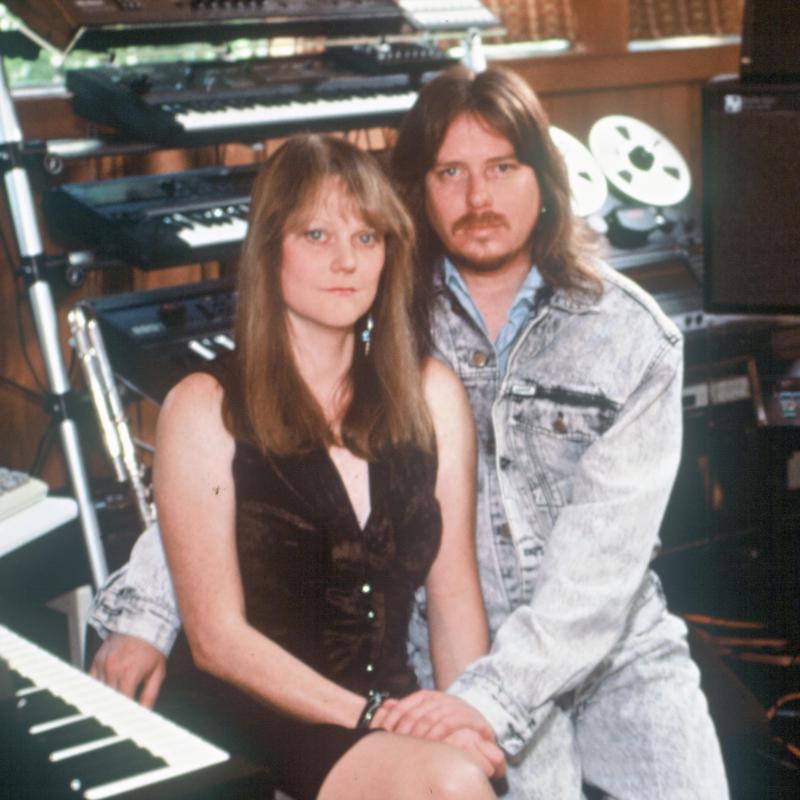
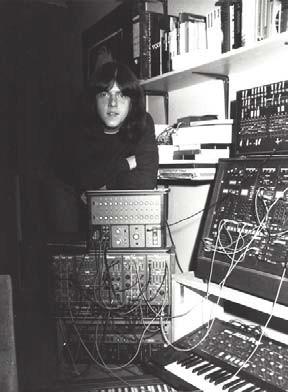
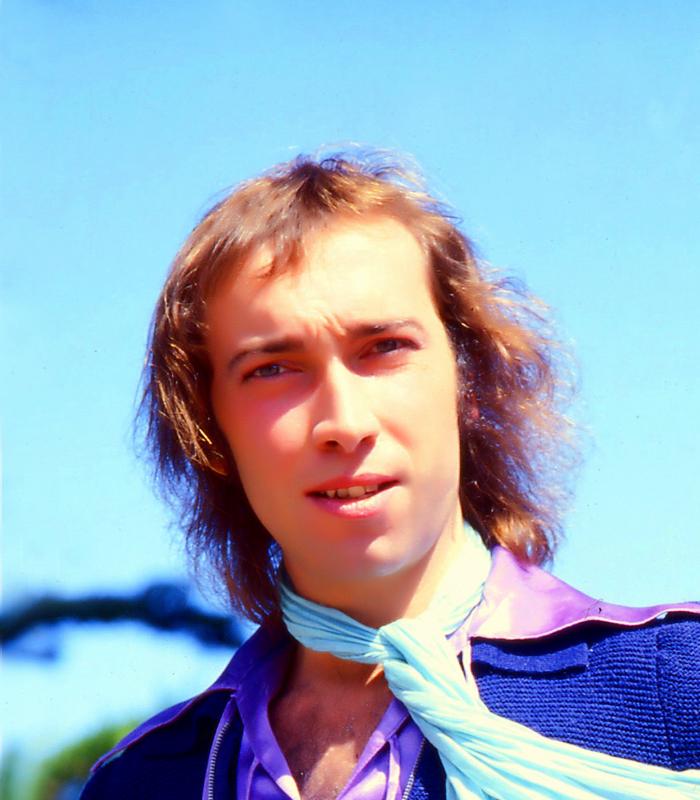
Bernard XOLOTL’s Spotify BioElectronic composer Bernard Xolotl was born in France in 1951. As a teen, he was introduced to electronic music through the works of musique concrète composers like Pierre Henry and Pierre Schaeffer, although he found the early recordings of Pink Floyd to be much more inspirational; he left home at age 17 to travel the world, along the way befriending figures including Klaus Schulze, Terry Riley, La Monte Young and Manuel Goettsching. During the early 1970s Xolotl began creating music of his own, working in studios across Europe and the U.S. before settling in California in 1974; there he slowly built his own studio, two years later making his recorded debut with Music by Xolotl. Journey to an Oracle, a collaboration with Bernard Largounez and Jean Baptiste Barriere, followed in 1978, while for 1980's Prophecy Xolotl teamed with Cyrille Verdeaux. Return of the Golden Mean followed, and in 1983 he completed work on Procession; with Last Wave, Xolotl -- long associated with his work on… the guitar synthesizer -- expanded his musical palette to introduce the Yamaha CS60, the PPG Wave 2.2, the Korg Monopoly, the Pro-One, the ARP Sequencer and vocoder. After a long absence from recording, he resurfaced in 1991 with Mexecho; Tristany followed in 1997. ~ Jason Ankeny, Rovi
Viberate is a music analytics platform built for A&Rs, artist managers, labels, booking agents, marketers, and artists.
It helps music professionals track artist growth, analyze audience data, monitor playlist activity, compare artists, follow song performance, and identify opportunities across the music market.
Public artist pages provide a free preview of selected artist data. Paid plans provide access to deeper analytics, historical data, charts, comparisons, playlist tools, exports, alerts, reports, and additional professional features.
Yes. Public Viberate artist pages provide selected artist analytics and music data for free.
Viberate also offers a 7-day free trial of the full platform. A credit card is required to start the trial. The trial includes access to the complete product so users can test deeper artist analytics, historical views, playlist insights, comparisons, charts, exports, alerts, and reporting features before choosing a paid plan.
Viberate provides artist analytics across streaming, playlists, social media, video, radio airplay, songs, and audience markets.
Users can analyze Spotify performance, Spotify and Apple Music playlists, YouTube activity, TikTok and Instagram growth, radio spins, song performance, audience locations, demographics, rankings, and overall artist momentum.
Artist profiles also connect to music charts, similar artists, and comparison tools, helping users benchmark performance and evaluate artists in context.
Viberate updates key artist and track data daily.
For followed artists and tracks, selected data is refreshed multiple times per day. This helps teams monitor playlist changes, streaming movement, audience growth, releases, and campaign performance with more current data.
Update frequency can vary depending on the metric and data source.
Yes. Viberate lets users compare up to five artists side by side across streaming, social media, audience, and engagement metrics.
Users can compare fanbase growth, audience demographics, locations, Spotify performance, social metrics, and other artist data over selected time periods.
Artist comparison can be used for A&R scouting, benchmarking, booking decisions, campaign planning, and evaluating artists with similar audiences or market positions.