Bernard Herrmann

Classical
Orchestral
Neoclassical
 Viberate Rank: 47611
 Viberate Rank: 47611
 Monthly ListenersFollowers
 Subscribers
 Followers
 Followers
 FansTop Spotify Songs
| Track | 7-Day Streams | |
|---|---|---|
1 | 57.27K | |
2 | 20.42K | |
3 | 18.48K | |
4 | 15.08K | |
5 | 13.79K |
Top YouTube VideosMonthly ListenersFeatured in Playlists| Playlist | Followers | |
|---|---|---|
1 |  Iconic Soundtracks Spotify | 1.37M |
2 |  Wednesday Official Playlist Spotify | 502.19K |
3 |  Jazz Soundtracks Spotify | 197.28K |
4 |  Kill Bill: Vol. 1 & 2 (Original Soundtrack) Alexandre Dupé | 173.76K |
5 |  Witchy Songs 🔮🌙 Sarah | 97.70K |
Audience| City | Monthly Listeners | |
|---|---|---|
1 | | 6.03K |
2 |  | 5.79K |
3 | | 5.21K |
4 | | 4.53K |
5 |  | 3.89K |
See full performance history, audience data, playlist activity, rankings, comparisons, and more in Viberate music analytics. Start with a free trial, then continue with a paid plan.
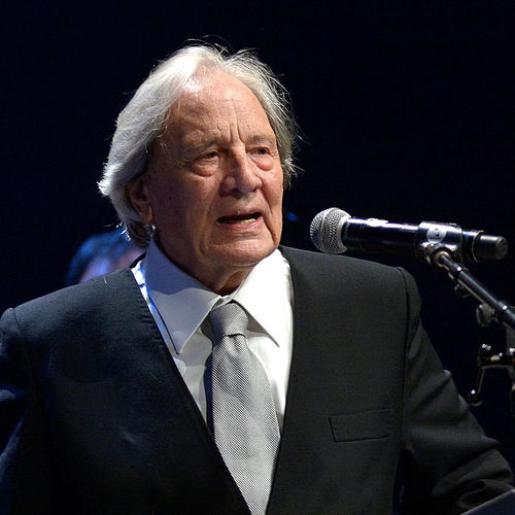
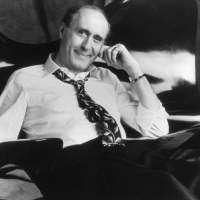
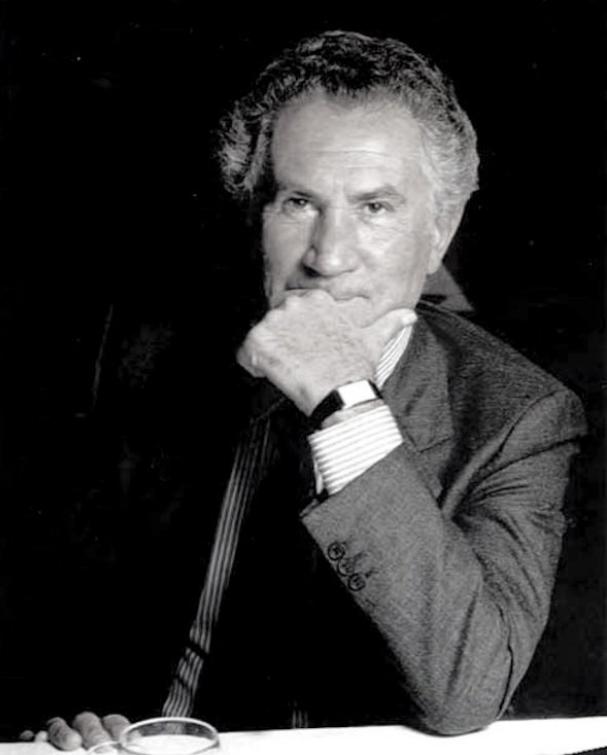
Bernard Herrmann’s Spotify BioThe man whose name is for many synonymous with film music was born prematurely to Abraham and Ida Herrmann. Abraham, an optometrist, came from an intellectual family, while Ida was highly religious; the family's handsome brownstone was the scene of frequent arguments. At the age of five Herrmann began to suffer from Sydenham's syndrome, a neurological disorder that can affect personality development. A calm environment is needed for recovery, but Herrmann did not enjoy one. He grew up to be a nervous and aggressively touchy person who tended to alienate friends and associates.
He was also incessantly creative, composing music at an early age. At age 13 he won a hundred-dollar prize for an orchestral composition, and this settled him on a musical career. He studied with Percy Grainger at New York University, composing much music that he later destroyed. At 20 he debuted as a conductor on Broadway, leading a ballet of his own in a musical revue called "Americana." He also founded the New… Chamber Orchestra.
hardweymusicgroup@gmail.com
Viberate is a music analytics platform built for A&Rs, artist managers, labels, booking agents, marketers, and artists.
It helps music professionals track artist growth, analyze audience data, monitor playlist activity, compare artists, follow song performance, and identify opportunities across the music market.
Public artist pages provide a free preview of selected artist data. Paid plans provide access to deeper analytics, historical data, charts, comparisons, playlist tools, exports, alerts, reports, and additional professional features.
Yes. Public Viberate artist pages provide selected artist analytics and music data for free.
Viberate also offers a 7-day free trial of the full platform. A credit card is required to start the trial. The trial includes access to the complete product so users can test deeper artist analytics, historical views, playlist insights, comparisons, charts, exports, alerts, and reporting features before choosing a paid plan.
Viberate provides artist analytics across streaming, playlists, social media, video, radio airplay, songs, and audience markets.
Users can analyze Spotify performance, Spotify and Apple Music playlists, YouTube activity, TikTok and Instagram growth, radio spins, song performance, audience locations, demographics, rankings, and overall artist momentum.
Artist profiles also connect to music charts, similar artists, and comparison tools, helping users benchmark performance and evaluate artists in context.
Viberate updates key artist and track data daily.
For followed artists and tracks, selected data is refreshed multiple times per day. This helps teams monitor playlist changes, streaming movement, audience growth, releases, and campaign performance with more current data.
Update frequency can vary depending on the metric and data source.
Yes. Viberate lets users compare up to five artists side by side across streaming, social media, audience, and engagement metrics.
Users can compare fanbase growth, audience demographics, locations, Spotify performance, social metrics, and other artist data over selected time periods.
Artist comparison can be used for A&R scouting, benchmarking, booking decisions, campaign planning, and evaluating artists with similar audiences or market positions.