Benji Candelario

Electronic
House
 Viberate Rank: 301955
 Viberate Rank: 301955
 Monthly ListenersFollowers
 Subscribers
 Followers
 Followers
 FansTop Spotify SongsTop YouTube VideosMonthly ListenersFeatured in Playlists
| Playlist | Followers | |
|---|---|---|
1 | 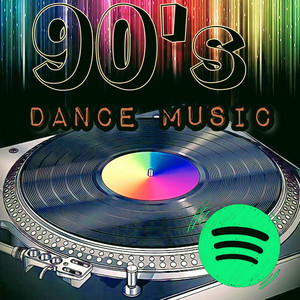 90's Dance Music - 88, 89, 90, 91, 92, 93, 94, 95, 96, 97, 98, 99, 00, 01, 02, 03, 04.... ZegueFredo | 27.60K |
2 | 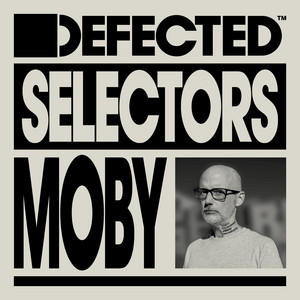 Defected Selectors: Moby Defected Records | 25.52K |
3 |  Deep House Classics 2026 Thomas Coxhead | 15.03K |
4 |  MARCO CAROLA- MUSIC ON🔰 Dominic Mcgee | 12.52K |
5 | 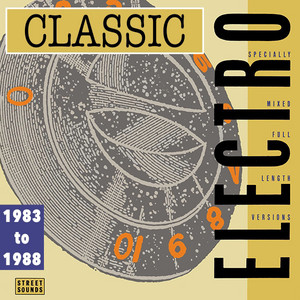 Street Sounds Electro 1 - 22 Ultimate Classic Collection Martin Allen | 6.85K |
Audience| City | Monthly Listeners | |
|---|---|---|
1 |  | 196 |
2 |  | 119 |
3 | | 117 |
4 |  | 100 |
5 | | 73 |
See full performance history, audience data, playlist activity, rankings, comparisons, and more in Viberate music analytics. Start with a free trial, then continue with a paid plan.
Benji Candelario’s Spotify BioHe learned about the spirit of garage and house music first-hand at Larry Levan's Paradise Garage, and Benji Candelario reflected his influences by becoming one of the top New York garage DJs by the 1990s. As well as mixing fame, his dozens of remixes and recordings for Cutting, Freeze, Nitegroove and Kult Records are quite respected in the house community. Candelario listened to soul and funk while growing up in Brooklyn, and gained entry into the '80s underground house scene by hitting clubs like Levan's Paradise Garage and Bond's International with his cousin. It was only a matter of time before he became interested in DJing; after practicing on the decks, he featured at New York hotspots like Redzone, the Building and the Roxy. Candelario began remixing and producing by the late '80s, working with Criminal Element Orchestra and for the label Cutting Records. Recording as Swing 52 with Wayne Rollins, he scored in 1994 with the garage hit "Color of My Skin," while providing remixes… for Todd Terry, Ruffneck and Call of the Wild. Candelario recorded several EPs under his own name (including the multi-volume editions Traxx for the Head and Killer Fillers). His first mixed album, Havin' It Stateside, Vol. 1, was released in 1995 on 21st Century Opera Records. ~ John Bush, Rovi
Viberate is a music analytics platform built for A&Rs, artist managers, labels, booking agents, marketers, and artists.
It helps music professionals track artist growth, analyze audience data, monitor playlist activity, compare artists, follow song performance, and identify opportunities across the music market.
Public artist pages provide a free preview of selected artist data. Paid plans provide access to deeper analytics, historical data, charts, comparisons, playlist tools, exports, alerts, reports, and additional professional features.
Yes. Public Viberate artist pages provide selected artist analytics and music data for free.
Viberate also offers a 7-day free trial of the full platform. A credit card is required to start the trial. The trial includes access to the complete product so users can test deeper artist analytics, historical views, playlist insights, comparisons, charts, exports, alerts, and reporting features before choosing a paid plan.
Viberate provides artist analytics across streaming, playlists, social media, video, radio airplay, songs, and audience markets.
Users can analyze Spotify performance, Spotify and Apple Music playlists, YouTube activity, TikTok and Instagram growth, radio spins, song performance, audience locations, demographics, rankings, and overall artist momentum.
Artist profiles also connect to music charts, similar artists, and comparison tools, helping users benchmark performance and evaluate artists in context.
Viberate updates key artist and track data daily.
For followed artists and tracks, selected data is refreshed multiple times per day. This helps teams monitor playlist changes, streaming movement, audience growth, releases, and campaign performance with more current data.
Update frequency can vary depending on the metric and data source.
Yes. Viberate lets users compare up to five artists side by side across streaming, social media, audience, and engagement metrics.
Users can compare fanbase growth, audience demographics, locations, Spotify performance, social metrics, and other artist data over selected time periods.
Artist comparison can be used for A&R scouting, benchmarking, booking decisions, campaign planning, and evaluating artists with similar audiences or market positions.