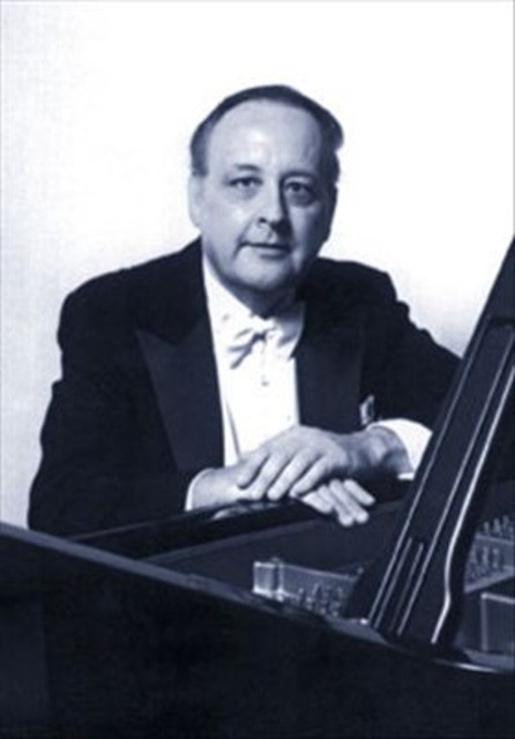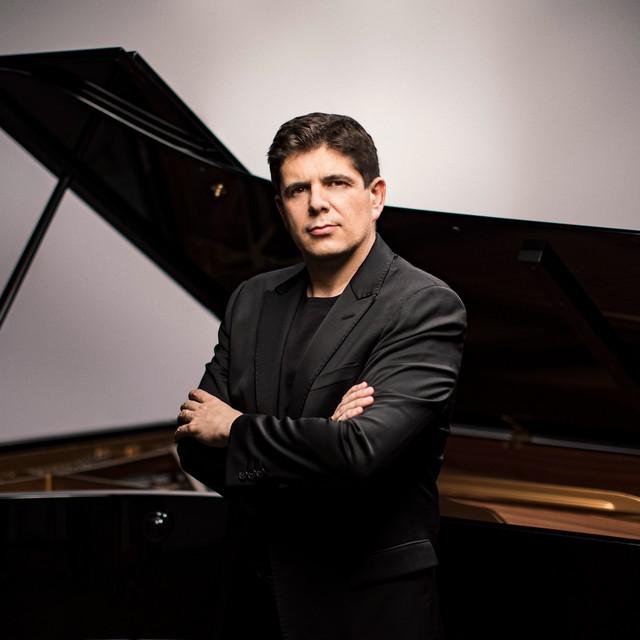
Benjamin Frith

Classical
Chamber Music
 Viberate Rank: 134664
 Viberate Rank: 134664
 Monthly ListenersFollowers
 Subscribers
 Followers
 Followers
 FansTop Spotify Songs
| Track | 7-Day Streams | |
|---|---|---|
1 | 93.49K | |
2 | 30.13K | |
3 | 28.86K | |
4 | 17.21K | |
5 | 5.84K |
Top YouTube VideosMonthly ListenersFeatured in Playlists| Playlist | Followers | |
|---|---|---|
1 |  Classical Piano Spotify | 352.11K |
2 |  Sad Classical Spotify | 278.03K |
3 |  Classical Study Music for Focus 🎻🎶 Prime Feelings | 191.75K |
4 |  Focus Music - Work | Studying | Concentration Kroschi | 112.12K |
5 | Beautiful, Calming Classical Music vcmstow | 72.62K |
Audience| City | Monthly Listeners | |
|---|---|---|
1 | | 4.98K |
2 |  | 4.57K |
3 |  | 3.81K |
4 |  | 3.60K |
5 |  | 3.58K |
See full performance history, audience data, playlist activity, rankings, comparisons, and more in Viberate music analytics. Start with a free trial, then continue with a paid plan.
Benjamin Frith’s Spotify BioPianist Benjamin Frith's international solo and chamber music career was launched following several prestigious competition wins. Reaching a broad audience through his recordings, Frith is well-regarded for his sensitivity as a performer. His repertoire, which includes more than 50 concertos, ranges from Bach and Scarlatti to Stravinsky and Tippett. He has been a member of the Gould Piano Trio since 1998.
Frith was born in South Yorkshire, England, on October 11, 1957. He began taking piano lessons with Fanny Waterman at age ten. He was encouraged by Waterman to pursue a career after winning the Dudley National Piano Competition in 1972, at age 14. Following Frith's Dudley win, Peter Pears asked him to play at the Aldeburgh Festival. Frith attended the University of Leeds and graduated in 1979 with a bachelor's degree in music. While a student, he took second place at the 1978 London Mozart Players' Mozart Memorial Prize competition. He gained international attention with two major… prizes, the first at the 1986 Busoni International Piano Competition, where he shared the top prize with Predrag Muzijevic, and in 1989, he won the gold medal and chamber music prize at the Arthur Rubinstein International Piano Competition in Israel.
Frith has since toured throughout Europe, North America, and Asia, appearing with major orchestras, including the Warsaw Philharmonic, City of Birmingham Symphony, and Israel Philharmonic, among many others. He has also been a regular guest at festivals, such as the Kfar Blum, King's Lynn, and Edinburgh; he made a big impression in his debut at Edinburgh in 1992 with a performance of Beethoven's Diabelli Variations. A long-time chamber music enthusiast, Frith joined the Gould Piano Trio in 1998, and in 2001, he founded the Frith Piano Quartet with violinist Robert Heard, violist Louise Williams, and cellist Richard Jenkinson. He regularly performs piano duos with Peter Hill and has been a featured guest with the Endellion, Dante, and Elias string quartets, among others.
Frith's expansive recording catalog features many examples of his solo, concerto, and chamber activities. His recording career began with a 1991 ASV release containing Beethoven's Diabelli Variations, and he has since recorded the complete piano music of John Field and Felix Mendelssohn. With the Gould Piano Trio, he has released a complete cycle of Beethoven's piano trios and has future aspirations to record a survey of Schubert's piano trios. Frith was featured in several releases in 2020, including piano trios by Clarke, Ives, and Beach, with the Gould Piano Trio, and Beethoven's works for piano four hands, with Hill.
Viberate is a music analytics platform built for A&Rs, artist managers, labels, booking agents, marketers, and artists.
It helps music professionals track artist growth, analyze audience data, monitor playlist activity, compare artists, follow song performance, and identify opportunities across the music market.
Public artist pages provide a free preview of selected artist data. Paid plans provide access to deeper analytics, historical data, charts, comparisons, playlist tools, exports, alerts, reports, and additional professional features.
Yes. Public Viberate artist pages provide selected artist analytics and music data for free.
Viberate also offers a 7-day free trial of the full platform. A credit card is required to start the trial. The trial includes access to the complete product so users can test deeper artist analytics, historical views, playlist insights, comparisons, charts, exports, alerts, and reporting features before choosing a paid plan.
Viberate provides artist analytics across streaming, playlists, social media, video, radio airplay, songs, and audience markets.
Users can analyze Spotify performance, Spotify and Apple Music playlists, YouTube activity, TikTok and Instagram growth, radio spins, song performance, audience locations, demographics, rankings, and overall artist momentum.
Artist profiles also connect to music charts, similar artists, and comparison tools, helping users benchmark performance and evaluate artists in context.
Viberate updates key artist and track data daily.
For followed artists and tracks, selected data is refreshed multiple times per day. This helps teams monitor playlist changes, streaming movement, audience growth, releases, and campaign performance with more current data.
Update frequency can vary depending on the metric and data source.
Yes. Viberate lets users compare up to five artists side by side across streaming, social media, audience, and engagement metrics.
Users can compare fanbase growth, audience demographics, locations, Spotify performance, social metrics, and other artist data over selected time periods.
Artist comparison can be used for A&R scouting, benchmarking, booking decisions, campaign planning, and evaluating artists with similar audiences or market positions.