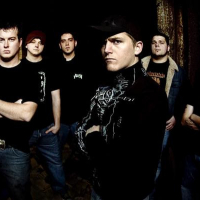
Beneath The Sky

Metal
Metalcore/Deathcore
 Viberate Rank: 231585
 Viberate Rank: 231585
 Monthly ListenersFollowers
 Subscribers
 Followers
 Followers
 FansTop Spotify Songs
| Track | 7-Day Streams | |
|---|---|---|
1 | 3.88K | |
2 | 838 | |
3 | 783 | |
4 | 612 | |
5 | 555 |
Top YouTube Videos| Video | 7-Day Views | |
|---|---|---|
1 | 821 | |
2 | 99 |
Monthly ListenersFeatured in Playlists| Playlist | Followers | |
|---|---|---|
1 |  MYSPACE DEATHCORE: 2002 - 2010 xdeathcorex | 18.09K |
2 |  Brutal Deathcore EC | 11.87K |
3 |  2000s Deathcore Matthew Edward | 5.24K |
4 |  Deathcore Classics Yannik Schlüter | 5.03K |
5 | 2000's Metalcore bps | 4.99K |
Audience| City | Monthly Listeners | |
|---|---|---|
1 | | 277 |
2 | | 254 |
3 | | 253 |
4 | | 224 |
5 | | 201 |
See full performance history, audience data, playlist activity, rankings, comparisons, and more in Viberate music analytics. Start with a free trial, then continue with a paid plan.
Beneath The Sky’s Spotify BioMerging death metal, hardcore, and melody, Beneath the Sky formed in mid-2004 after various bands on the Cincinnati scene dissolved (most notably Blind Judgment) and some of their members united as one. Comprised of vocalist Joey Nelson, guitarists Jeff Nelson and Chris Profitt, bassist Nick Scarberry, drummer Brandon Sowder, and keytar player Matt Jones, the band first released a four-song demo in early 2005. Through constant promotion and the group's rounds of regional touring, the demo went on to sell over 5,000 copies by the year's end. Beneath the Sky continued to play shows throughout the Midwestern and Eastern U.S. before recording another EP, More Than You Can Handle, which was self-released in spring 2006. It was received well by their local fan base; things escalated quickly and a deal was inked with Victory Records that summer. Their full-length and label debut, What Demons Do to Saints, appeared in January 2007. The following year, they released their sophomore effort, The… Day The Music Died. In 2009 Beneath the Sky disbanded briefly, but quickly reformed in time to record their third album, In Loving Memory. ~ Corey Apar, Rovi
Viberate is a music analytics platform built for A&Rs, artist managers, labels, booking agents, marketers, and artists.
It helps music professionals track artist growth, analyze audience data, monitor playlist activity, compare artists, follow song performance, and identify opportunities across the music market.
Public artist pages provide a free preview of selected artist data. Paid plans provide access to deeper analytics, historical data, charts, comparisons, playlist tools, exports, alerts, reports, and additional professional features.
Yes. Public Viberate artist pages provide selected artist analytics and music data for free.
Viberate also offers a 7-day free trial of the full platform. A credit card is required to start the trial. The trial includes access to the complete product so users can test deeper artist analytics, historical views, playlist insights, comparisons, charts, exports, alerts, and reporting features before choosing a paid plan.
Viberate provides artist analytics across streaming, playlists, social media, video, radio airplay, songs, and audience markets.
Users can analyze Spotify performance, Spotify and Apple Music playlists, YouTube activity, TikTok and Instagram growth, radio spins, song performance, audience locations, demographics, rankings, and overall artist momentum.
Artist profiles also connect to music charts, similar artists, and comparison tools, helping users benchmark performance and evaluate artists in context.
Viberate updates key artist and track data daily.
For followed artists and tracks, selected data is refreshed multiple times per day. This helps teams monitor playlist changes, streaming movement, audience growth, releases, and campaign performance with more current data.
Update frequency can vary depending on the metric and data source.
Yes. Viberate lets users compare up to five artists side by side across streaming, social media, audience, and engagement metrics.
Users can compare fanbase growth, audience demographics, locations, Spotify performance, social metrics, and other artist data over selected time periods.
Artist comparison can be used for A&R scouting, benchmarking, booking decisions, campaign planning, and evaluating artists with similar audiences or market positions.