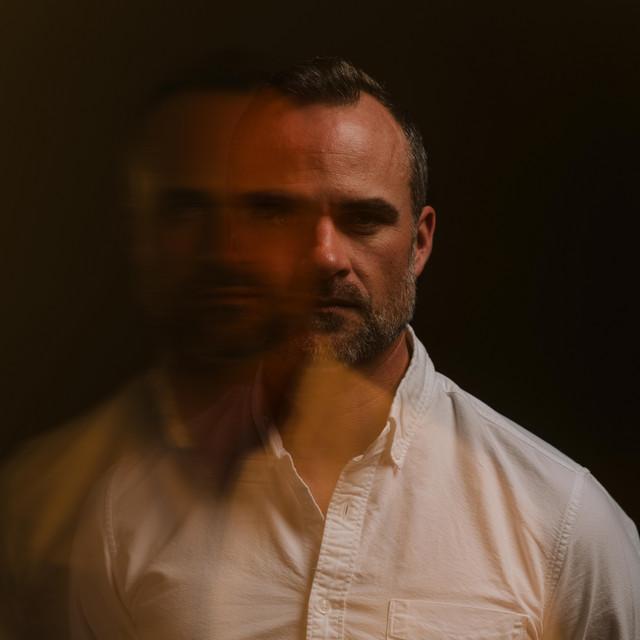
Ben Wendel

Jazz
Jazz Fusion
Smooth Jazz
 Viberate Rank: 106285
 Viberate Rank: 106285
 Monthly ListenersFollowers
 Subscribers
 Followers
 Followers
 FansTop Spotify Songs
| Track | 7-Day Streams | |
|---|---|---|
1 | 756 | |
2 | 442 | |
3 | 404 | |
4 | 380 | |
5 | 358 |
Top YouTube VideosMonthly ListenersFeatured in Playlists| Playlist | Followers | |
|---|---|---|
1 |  Jacob's Optimum Music Feast Jacob Collier | 47.95K |
2 |  Piano Soundscapes ambiqo records | 25.82K |
3 |  Claire de Lune Mariana Peña | 21.85K |
4 |  Real Book - Jazz standards/classics Anders Garbom Bjørklund | 13.79K |
5 |  Jazz Amplified Playlist Paradise | 11.84K |
Audience| City | Monthly Listeners | |
|---|---|---|
1 | | 165 |
2 | | 106 |
3 | | 91 |
4 |  | 79 |
5 |  | 71 |
See full performance history, audience data, playlist activity, rankings, comparisons, and more in Viberate music analytics. Start with a free trial, then continue with a paid plan.
Ben Wendel’s Spotify BioAn adventurous jazz saxophonist, Ben Wendel is known for his harmonically sophisticated, motivic-based style of improvisation and broad compositional style touching upon post-bop, classical, and post-rock influences. Wendel first emerged as a member of the forward-thinking ensemble Kneebody in the early 2000s. With Kneebody he earned a Grammy nomination for the group's 2009 album Twelve Songs by Charles Ives. As a solo artist, Wendel has garnered attention for his own sophisticated records, including 2009's Simple Song and 2016's What We Bring, with pianist Gerald Clayton. In addition to his ongoing work with Kneebody, he has drawn inspiration from the work of Tchaikovsky for 2018's The Seasons and continued to push stylistic boundaries on releases such as 2020's High Heart and 2023's All One.
Born in Vancouver in 1976 and raised in Santa Monica, California, Wendel grew up in a creative, musically inclined family. Encouraged to pursue music by his mother, opera soprano and arts… administrator Dale Franzen, he started out on the piano at age five and began playing the saxophone around age ten. In his teens, he balanced his time between playing saxophone and bassoon and listening to an eclectic mix of music, from jazz and classical to hip-hop. After high school, Wendel studied at the Eastman School of Music, where he befriended trumpeter Shane Endsley, keyboardist Adam Benjamin, and bassist Kaveh Rastegar. Upon graduating, they all relocated to Los Angeles and formed the experimental ensemble Kneebody along with California Institute of the Arts graduate and drummer Nate Wood. As a member of Kneebody, Wendel garnered acclaim for such albums as 2005's Kneebody and 2007's Low Electrical Worker, both released on trumpeter Dave Douglas' Greenleaf Records label. In 2009, the group earned a Grammy nomination for Twelve Songs by Charles Ives, a collaborative album with singer Theo Bleckmann.
On his own, Wendel has worked with a bevy of highly regarded jazz artists including Todd Sickafoose, Taylor Eigsti, Tigran Hamasyan, and others. He also has a long-running collaboration with electronic musician Alfred Darlington (aka Daedelus), a former high school classmate. As a leader, Wendel debuted in 2009 with Simple Song, followed in 2012 by Frame. He then paired with pianist Dan Tepfer for 2013's Small Constructions. That year, he also reunited with his Kneebody bandmates for Line on Concord. Two years later, the saxophonist was back with Kneebody for Kneedelus, a collaboration with Daedelus on Brainfeeder.
In 2016, Wendel delivered his third full-length solo album, the acoustic modern creative-leaning What We Bring, featuring pianist Gerald Clayton, bassist Joe Sanders, and drummer Henry Cole. The following year, he was back with Kneebody for Anti-Hero. The Seasons arrived in 2018, and found the saxophonist drawing inspiration from composer Pyotr Ilyich Tchaikovsky's classic 12-part cycle. Wendel again reunited with Kneebody for the group's tenth album, 2019's Chapters, and returned to his solo work with 2020's High Heart. In 2023, he delivered the star-studded All One, which found him leading a different line-up on each track. Featured were a handful of guest artists including Bill Frisell, Cécile McLorin Salvant, Terence Blanchard, and José James, among others. ~ Matt Collar, Rovi
Viberate is a music analytics platform built for A&Rs, artist managers, labels, booking agents, marketers, and artists.
It helps music professionals track artist growth, analyze audience data, monitor playlist activity, compare artists, follow song performance, and identify opportunities across the music market.
Public artist pages provide a free preview of selected artist data. Paid plans provide access to deeper analytics, historical data, charts, comparisons, playlist tools, exports, alerts, reports, and additional professional features.
Yes. Public Viberate artist pages provide selected artist analytics and music data for free.
Viberate also offers a 7-day free trial of the full platform. A credit card is required to start the trial. The trial includes access to the complete product so users can test deeper artist analytics, historical views, playlist insights, comparisons, charts, exports, alerts, and reporting features before choosing a paid plan.
Viberate provides artist analytics across streaming, playlists, social media, video, radio airplay, songs, and audience markets.
Users can analyze Spotify performance, Spotify and Apple Music playlists, YouTube activity, TikTok and Instagram growth, radio spins, song performance, audience locations, demographics, rankings, and overall artist momentum.
Artist profiles also connect to music charts, similar artists, and comparison tools, helping users benchmark performance and evaluate artists in context.
Viberate updates key artist and track data daily.
For followed artists and tracks, selected data is refreshed multiple times per day. This helps teams monitor playlist changes, streaming movement, audience growth, releases, and campaign performance with more current data.
Update frequency can vary depending on the metric and data source.
Yes. Viberate lets users compare up to five artists side by side across streaming, social media, audience, and engagement metrics.
Users can compare fanbase growth, audience demographics, locations, Spotify performance, social metrics, and other artist data over selected time periods.
Artist comparison can be used for A&R scouting, benchmarking, booking decisions, campaign planning, and evaluating artists with similar audiences or market positions.