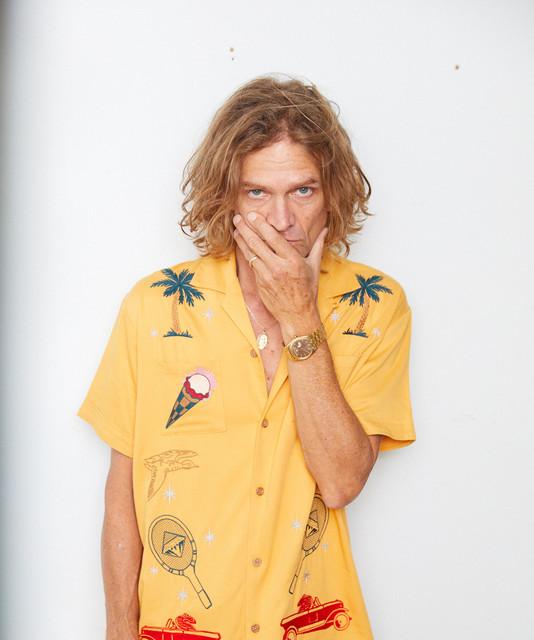
Ben Kweller

Rock
Indie Rock
Power Pop
Americana/Alt Country
 Viberate Rank: 68988
 Viberate Rank: 68988
 Monthly ListenersFollowers
 Subscribers
 Followers
 Followers
 FansTop Spotify Songs
| Track | 7-Day Streams | |
|---|---|---|
1 | 10.57K | |
2 | 7.46K | |
3 | 5.45K | |
4 | 3.89K | |
5 | 3.75K |
Top YouTube VideosMonthly ListenersFeatured in Playlists| Playlist | Followers | |
|---|---|---|
1 |  Indigo Spotify | 559.35K |
2 |  Fidi & Bumsi Spotify | 353.24K |
3 |  Farmers Market Spotify | 256.03K |
4 |  Indie Twang Spotify | 101.02K |
5 |  Chill it surf style Felix Bouleau | 71.72K |
Audience| City | Monthly Listeners | |
|---|---|---|
1 | | 2.83K |
2 | | 2.47K |
3 |  | 2.01K |
4 | | 1.97K |
5 | | 1.91K |
See full performance history, audience data, playlist activity, rankings, comparisons, and more in Viberate music analytics. Start with a free trial, then continue with a paid plan.
Ben Kweller’s Spotify BioBen Kweller’s album, Cover the Mirrors, isn’t just about the loss of his teenage son, Dorian (ZEV). It’s about time folding in on itself. It’s a journal only BK can read. It’s an amalgamation of the decades preceding — a storied career that started in Kweller’s teenage years, continued during his days as an early 2000’s indie rock stalwart, and evolved as he grew into the father of a son on the precipice of his own rock & roll story. Loss and love are woven throughout, but in the end it’s about living on. The album was released on May 30th, what would’ve been Dorian’s 19th birthday. “There's a lot of reflecting — not only on the loss of Dorian but of my own time on Earth. Kweller has embodied myriad genres over the years — from the post-grunge Texas ‘90s band Radish to the anti-folk/indie pocket of his solo years, breaking out in 2002 with his radio-ready premiere Sha Sha. BK toggles between the dark and the light — the playful and morose. Over 12 tracks that volley between heartache,… nostalgia, and hope, Cover the Mirrors encompasses not only Kweller’s career, but his love for his family, friends, and his son — whose career was snuffed out before it began In a sense, then, Dorian lives through these songs. Featuring fellow indie luminaries like Waxahatchee, The Flaming Lips, Coconut Records and MJ Lenderman, the record is both a journal and a blueprint — a mournful elegy and a joyful ode and in those pages Dorian lives on. Forever.
Viberate is a music analytics platform built for A&Rs, artist managers, labels, booking agents, marketers, and artists.
It helps music professionals track artist growth, analyze audience data, monitor playlist activity, compare artists, follow song performance, and identify opportunities across the music market.
Public artist pages provide a free preview of selected artist data. Paid plans provide access to deeper analytics, historical data, charts, comparisons, playlist tools, exports, alerts, reports, and additional professional features.
Yes. Public Viberate artist pages provide selected artist analytics and music data for free.
Viberate also offers a 7-day free trial of the full platform. A credit card is required to start the trial. The trial includes access to the complete product so users can test deeper artist analytics, historical views, playlist insights, comparisons, charts, exports, alerts, and reporting features before choosing a paid plan.
Viberate provides artist analytics across streaming, playlists, social media, video, radio airplay, songs, and audience markets.
Users can analyze Spotify performance, Spotify and Apple Music playlists, YouTube activity, TikTok and Instagram growth, radio spins, song performance, audience locations, demographics, rankings, and overall artist momentum.
Artist profiles also connect to music charts, similar artists, and comparison tools, helping users benchmark performance and evaluate artists in context.
Viberate updates key artist and track data daily.
For followed artists and tracks, selected data is refreshed multiple times per day. This helps teams monitor playlist changes, streaming movement, audience growth, releases, and campaign performance with more current data.
Update frequency can vary depending on the metric and data source.
Yes. Viberate lets users compare up to five artists side by side across streaming, social media, audience, and engagement metrics.
Users can compare fanbase growth, audience demographics, locations, Spotify performance, social metrics, and other artist data over selected time periods.
Artist comparison can be used for A&R scouting, benchmarking, booking decisions, campaign planning, and evaluating artists with similar audiences or market positions.