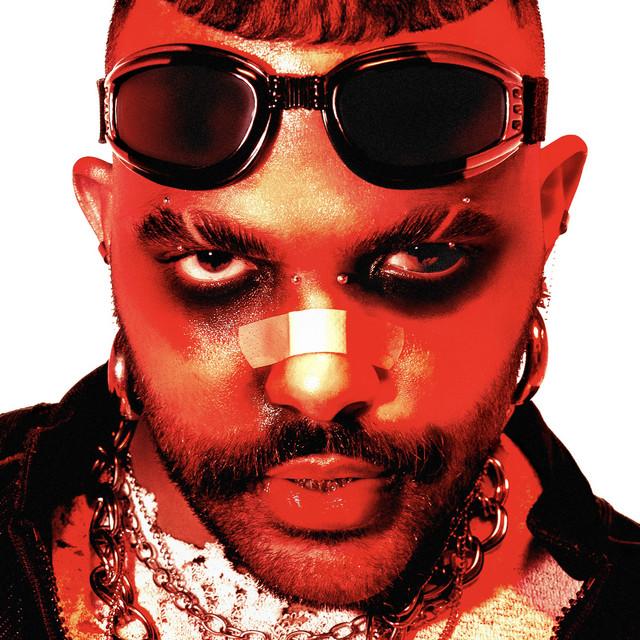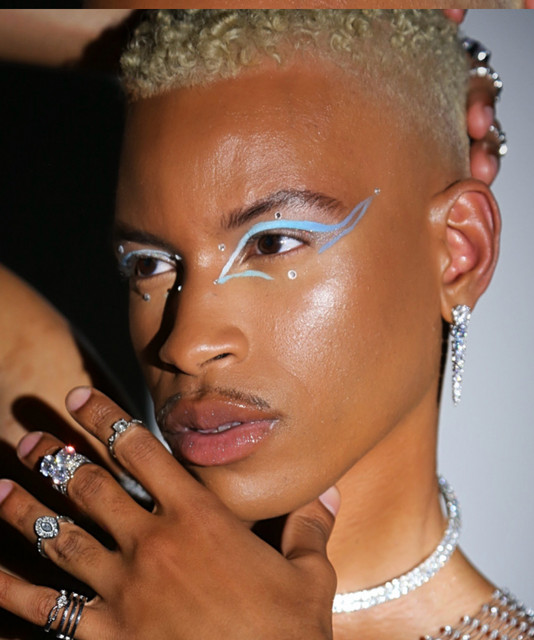
BEMATA

Pop
Mainstream Pop
 Viberate Rank: 635616
 Viberate Rank: 635616
 Monthly ListenersFollowers
 Subscribers
 Followers
 Followers
 FansTop Spotify Songs
| Track | 7-Day Streams | |
|---|---|---|
1 | 36 | |
2 | 10 | |
3 | 10 | |
4 | 6 | |
5 | 5 |
Top YouTube VideosMonthly ListenersFeatured in Playlists| Playlist | Followers | |
|---|---|---|
1 |  FLUMETRONICA Flumetronica | 11.35K |
2 |  songs to move to GenDirectMusic | 2.49K |
3 | Tom Ravenscroft 🔊 (BBC 6 Music) reacharound98 | 1.33K |
4 |  DJ Party Music(Music that you can jam at a club) Claire Cole | 1.29K |
Audience| City | Monthly Listeners | |
|---|---|---|
1 | | 15 |
2 | | 12 |
3 | | 5 |
4 | | 5 |
5 | | 4 |
See full performance history, audience data, playlist activity, rankings, comparisons, and more in Viberate music analytics. Start with a free trial, then continue with a paid plan.
BEMATA’s Spotify BioBEMATA, which is Amharic for “by night,” is a songstress and producer based in New York. Motivated by her name, she’s driven by an exploration of truth and duality. Her songwriting explores these themes through the lens of relationship, with herself and others over driving, tribal bass lines and electronic beats.
Growing up, her family shared an eclectic taste in music — ranging from soul, funk, reggae, jazz and dance music from around the world. As the daughter of immigrants who fled a war-torn Ethiopia, music was where they freely transcended cultural boundaries.
Today, she makes music for people who want to dance and get in touch with the fire inside. Bemata and one of her frequent collaborators, SXRG (artist, producer, sound engineer), are bringing their cultural influences together to build an international sonic world that feels both familiar and transportive.
Viberate is a music analytics platform built for A&Rs, artist managers, labels, booking agents, marketers, and artists.
It helps music professionals track artist growth, analyze audience data, monitor playlist activity, compare artists, follow song performance, and identify opportunities across the music market.
Public artist pages provide a free preview of selected artist data. Paid plans provide access to deeper analytics, historical data, charts, comparisons, playlist tools, exports, alerts, reports, and additional professional features.
Yes. Public Viberate artist pages provide selected artist analytics and music data for free.
Viberate also offers a 7-day free trial of the full platform. A credit card is required to start the trial. The trial includes access to the complete product so users can test deeper artist analytics, historical views, playlist insights, comparisons, charts, exports, alerts, and reporting features before choosing a paid plan.
Viberate provides artist analytics across streaming, playlists, social media, video, radio airplay, songs, and audience markets.
Users can analyze Spotify performance, Spotify and Apple Music playlists, YouTube activity, TikTok and Instagram growth, radio spins, song performance, audience locations, demographics, rankings, and overall artist momentum.
Artist profiles also connect to music charts, similar artists, and comparison tools, helping users benchmark performance and evaluate artists in context.
Viberate updates key artist and track data daily.
For followed artists and tracks, selected data is refreshed multiple times per day. This helps teams monitor playlist changes, streaming movement, audience growth, releases, and campaign performance with more current data.
Update frequency can vary depending on the metric and data source.
Yes. Viberate lets users compare up to five artists side by side across streaming, social media, audience, and engagement metrics.
Users can compare fanbase growth, audience demographics, locations, Spotify performance, social metrics, and other artist data over selected time periods.
Artist comparison can be used for A&R scouting, benchmarking, booking decisions, campaign planning, and evaluating artists with similar audiences or market positions.