Bell Witch

Metal
Doom/Sludge Metal
 Viberate Rank: 79334
 Viberate Rank: 79334
 Monthly ListenersFollowers
 Subscribers
 Followers
 Followers
 FansTop Spotify Songs
| Track | 7-Day Streams | |
|---|---|---|
1 | 5.24K | |
2 | 3.74K | |
3 | 2.92K | |
4 | 1.40K | |
5 | 1.39K |
Top YouTube VideosMonthly ListenersFeatured in Playlists| Playlist | Followers | |
|---|---|---|
1 |  Ultimate Doom Metal Loudwire | 45.65K |
2 | Longest playlist on spotify 1000000000+ Tomholland22$ | 21.37K |
3 | 100% Big Thief | 19.55K |
4 | Music New & Old That I Enjoyed This Year Gerard Way | 10.14K |
5 |  Sludge & Doom Metal Ole Urke Wik | 8.53K |
Audience| City | Monthly Listeners | |
|---|---|---|
1 |  | 315 |
2 | | 302 |
3 | | 300 |
4 | | 290 |
5 |  | 274 |
See full performance history, audience data, playlist activity, rankings, comparisons, and more in Viberate music analytics. Start with a free trial, then continue with a paid plan.
Bell Witch’s Spotify BioNothing's bigger than life. All vastnesses -- expanding space, infinite time -- crouch inside of consciousness. On a historical scale, to say nothing of a cosmic one, the individual human life vanishes, and yet it's the only aperture any of us get into reality. It's barely there, and it's all there is.
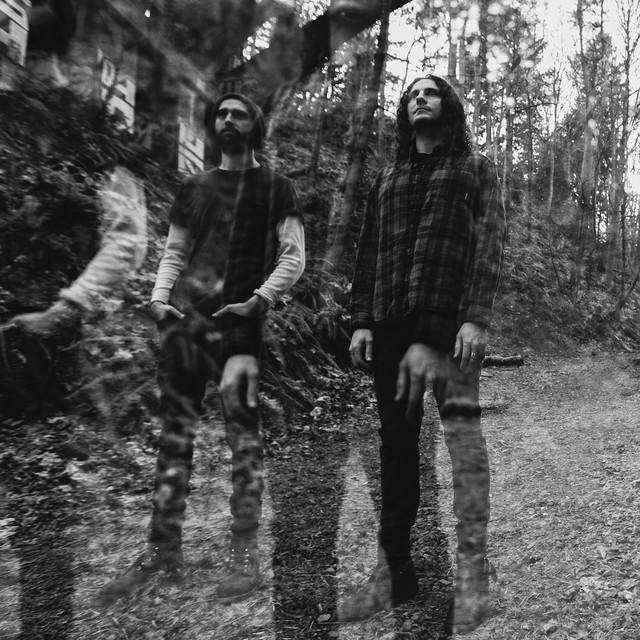
That's the paradox Bell Witch drives at. For more than a decade, the Pacific Northwestern doom metal band has sent tides surging over the seawalls of the song form, unraveling conventional expectations about the ways music stations itself in time to absorb a listener's attention. Rather than seek catharsis, the duo's songs heave themselves through time at a glacial pace, staving off resolution in favor of a trancelike capsule eternity. Invoking both boundlessness and claustrophobia in the same charged gesture, Bell Witch cultivates a sense of time outside of time, an oasis inside an increasingly frenetic media culture.
For their new album, The Clandestine Gate, bassist Dylan Desmond and… drummer Jesse Shreibman exploded Bell Witch's bounds. Like 2017's lauded Mirror Reaper, The Clandestine Gate is a single 83-minute track -- a composition that pulses and breathes on a filmic timeframe. It constitutes the first chapter in a planned triptych of longform albums, collectively called Future's Shadow.
Viberate is a music analytics platform built for A&Rs, artist managers, labels, booking agents, marketers, and artists.
It helps music professionals track artist growth, analyze audience data, monitor playlist activity, compare artists, follow song performance, and identify opportunities across the music market.
Public artist pages provide a free preview of selected artist data. Paid plans provide access to deeper analytics, historical data, charts, comparisons, playlist tools, exports, alerts, reports, and additional professional features.
Yes. Public Viberate artist pages provide selected artist analytics and music data for free.
Viberate also offers a 7-day free trial of the full platform. A credit card is required to start the trial. The trial includes access to the complete product so users can test deeper artist analytics, historical views, playlist insights, comparisons, charts, exports, alerts, and reporting features before choosing a paid plan.
Viberate provides artist analytics across streaming, playlists, social media, video, radio airplay, songs, and audience markets.
Users can analyze Spotify performance, Spotify and Apple Music playlists, YouTube activity, TikTok and Instagram growth, radio spins, song performance, audience locations, demographics, rankings, and overall artist momentum.
Artist profiles also connect to music charts, similar artists, and comparison tools, helping users benchmark performance and evaluate artists in context.
Viberate updates key artist and track data daily.
For followed artists and tracks, selected data is refreshed multiple times per day. This helps teams monitor playlist changes, streaming movement, audience growth, releases, and campaign performance with more current data.
Update frequency can vary depending on the metric and data source.
Yes. Viberate lets users compare up to five artists side by side across streaming, social media, audience, and engagement metrics.
Users can compare fanbase growth, audience demographics, locations, Spotify performance, social metrics, and other artist data over selected time periods.
Artist comparison can be used for A&R scouting, benchmarking, booking decisions, campaign planning, and evaluating artists with similar audiences or market positions.