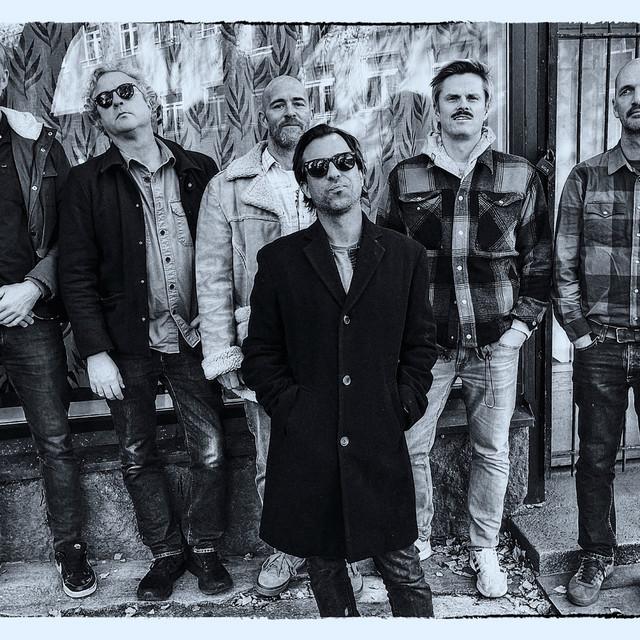
Belasco

Rock
Indie Rock
Alternative Rock
 Viberate Rank: 326468
 Viberate Rank: 326468
 Monthly ListenersFollowers
 Subscribers
 Followers
 Followers
 FansTop Spotify Songs
| Track | 7-Day Streams | |
|---|---|---|
1 | 2.87K | |
2 | 1.65K | |
3 | 199 | |
4 | 191 | |
5 | 161 |
Top YouTube VideosMonthly ListenersFeatured in Playlists| Playlist | Followers | |
|---|---|---|
1 | OTH Playlist Emilee Brandt | 16.94K |
2 |  EAFC & FIFA Soundtracks Bart Dunweg | 15.77K |
3 |  happy together <3 millane | 13.61K |
4 | FIFA 07 Soundtrack Matt Lowden | 11.89K |
5 |  Best FIFA Songs Ever (07-23) Eman | 7.19K |
Audience| City | Monthly Listeners | |
|---|---|---|
1 |  | 355 |
2 |  | 275 |
3 | | 263 |
4 | | 250 |
5 | | 231 |
See full performance history, audience data, playlist activity, rankings, comparisons, and more in Viberate music analytics. Start with a free trial, then continue with a paid plan.
Belasco’s Spotify BioAround the end of 1999, singer/guitarist Tim Brownlow had performed several acoustic shows around Britain and wanted to do something bigger. Deciding he wanted to form a band, he asked old friend Bill Cartlege to play the drums and the search for a bassist was on. The first candidate was not terribly good, and one stray word from their bass-playing friend Duff Battye resulted in his firing and Battye's hiring. Belasco was born, so the group started working on their sound, a hook-heavy variation on Britpop, and soon found themselves signed to fledgling Splendid Records within a month. Everything came fast and furious, as their debut album Simplicity hit stores in the summer of 2000. The band played throughout the UK to support it but the label went out of business and they were back where they started. Capitalizing on their live popularity, the group stepped back into the studio and started recording their sophomore album for Supermusic Records. ~ Bradley Torreano, Rovi
Viberate is a music analytics platform built for A&Rs, artist managers, labels, booking agents, marketers, and artists.
It helps music professionals track artist growth, analyze audience data, monitor playlist activity, compare artists, follow song performance, and identify opportunities across the music market.
Public artist pages provide a free preview of selected artist data. Paid plans provide access to deeper analytics, historical data, charts, comparisons, playlist tools, exports, alerts, reports, and additional professional features.
Yes. Public Viberate artist pages provide selected artist analytics and music data for free.
Viberate also offers a 7-day free trial of the full platform. A credit card is required to start the trial. The trial includes access to the complete product so users can test deeper artist analytics, historical views, playlist insights, comparisons, charts, exports, alerts, and reporting features before choosing a paid plan.
Viberate provides artist analytics across streaming, playlists, social media, video, radio airplay, songs, and audience markets.
Users can analyze Spotify performance, Spotify and Apple Music playlists, YouTube activity, TikTok and Instagram growth, radio spins, song performance, audience locations, demographics, rankings, and overall artist momentum.
Artist profiles also connect to music charts, similar artists, and comparison tools, helping users benchmark performance and evaluate artists in context.
Viberate updates key artist and track data daily.
For followed artists and tracks, selected data is refreshed multiple times per day. This helps teams monitor playlist changes, streaming movement, audience growth, releases, and campaign performance with more current data.
Update frequency can vary depending on the metric and data source.
Yes. Viberate lets users compare up to five artists side by side across streaming, social media, audience, and engagement metrics.
Users can compare fanbase growth, audience demographics, locations, Spotify performance, social metrics, and other artist data over selected time periods.
Artist comparison can be used for A&R scouting, benchmarking, booking decisions, campaign planning, and evaluating artists with similar audiences or market positions.