Beige Banquet

Rock
Indie Rock
Post Punk
 Viberate Rank: 357733
 Viberate Rank: 357733
 Monthly ListenersFollowers
 Subscribers
 Followers
 Followers
 FansTop Spotify Songs
| Track | 7-Day Streams | |
|---|---|---|
1 | 333 | |
2 | 280 | |
3 | 241 | |
4 | 141 | |
5 | 141 |
Top YouTube VideosMonthly ListenersFeatured in Playlists| Playlist | Followers | |
|---|---|---|
1 |  80s DARK WAVE Keef4Teef | 175.38K |
2 | EGG PUNK (the eggiest) namenames | 18.67K |
3 |  Post Punk 2026 : Best New Music 2026 oppositemarco | 8.09K |
4 |  Indie Punk: High Energy PeakLess | 3.50K |
5 | KANGK IDLES | 2.85K |
Audience| City | Monthly Listeners | |
|---|---|---|
1 |  | 65 |
2 | | 55 |
3 |  | 53 |
4 | | 50 |
5 |  | 46 |
See full performance history, audience data, playlist activity, rankings, comparisons, and more in Viberate music analytics. Start with a free trial, then continue with a paid plan.
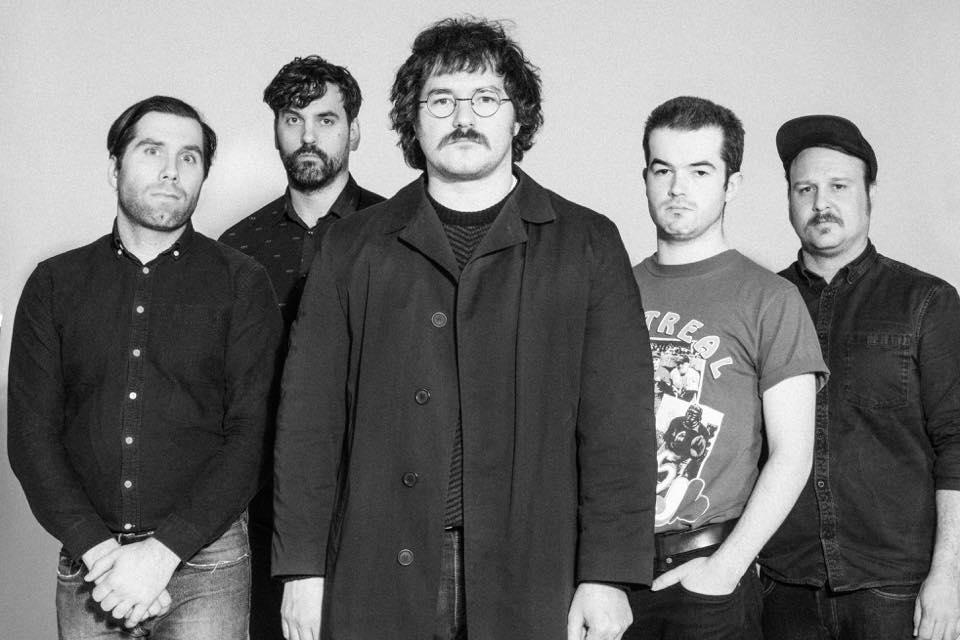
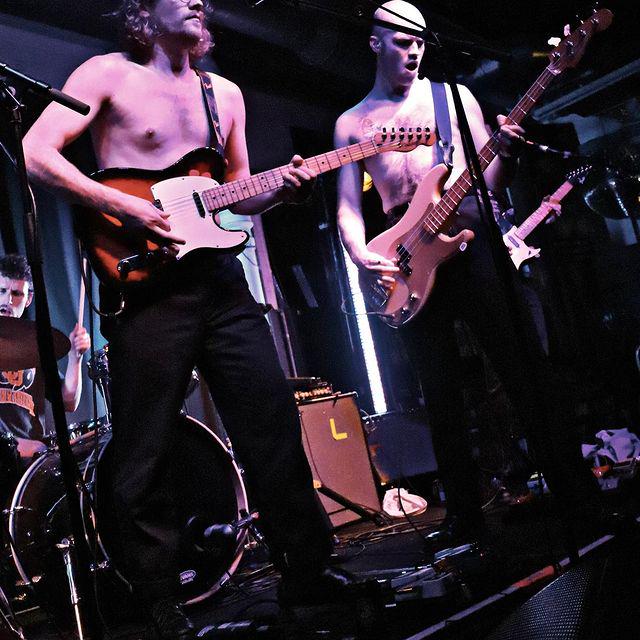
Beige Banquet’s Spotify BioBeige Banquet are a London-based five-piece playing a bleak yet high-powered style of dark punk. Underpinned by a propulsive and motorik rhythm section, they combine robotic and percussive vocal deliveries with industrial textures and abrasive guitars to create frantic and driving sound. The band are set to release their sophomore album, and first as a full band, in early 2024.
The project began in 2020, initially as a solo project, as Tom Brierley (vocals, guitar) layered unquestioning drum machines, tight and anxious vocals lines and wiry guitar in his makeshift bedroom studio to produce Beige Banquet’s debut album ‘Beta’ (2021). Soon after, the band expanded into a five piece with the additions of Ian Crafter (Drums), Joe Munsey (Guitar and Vocals), Danny Gillies (Bass), Blake Carlson-Joshua (Percussion, Synthesizers and Vocals) and spent the next two years doggedly touring Europe, transforming the drum machine driven recordings into an unrelenting, feverish and intense live show.… Bringing their unmistakable and frenetic energy to festivals such as End of the Road, Left Of The Dial, Into the Great Wide Open, and Misty Fields, they found themselves sharing stages with contemporaries such as Crack Cloud and Preoccupations.
Viberate is a music analytics platform built for A&Rs, artist managers, labels, booking agents, marketers, and artists.
It helps music professionals track artist growth, analyze audience data, monitor playlist activity, compare artists, follow song performance, and identify opportunities across the music market.
Public artist pages provide a free preview of selected artist data. Paid plans provide access to deeper analytics, historical data, charts, comparisons, playlist tools, exports, alerts, reports, and additional professional features.
Yes. Public Viberate artist pages provide selected artist analytics and music data for free.
Viberate also offers a 7-day free trial of the full platform. A credit card is required to start the trial. The trial includes access to the complete product so users can test deeper artist analytics, historical views, playlist insights, comparisons, charts, exports, alerts, and reporting features before choosing a paid plan.
Viberate provides artist analytics across streaming, playlists, social media, video, radio airplay, songs, and audience markets.
Users can analyze Spotify performance, Spotify and Apple Music playlists, YouTube activity, TikTok and Instagram growth, radio spins, song performance, audience locations, demographics, rankings, and overall artist momentum.
Artist profiles also connect to music charts, similar artists, and comparison tools, helping users benchmark performance and evaluate artists in context.
Viberate updates key artist and track data daily.
For followed artists and tracks, selected data is refreshed multiple times per day. This helps teams monitor playlist changes, streaming movement, audience growth, releases, and campaign performance with more current data.
Update frequency can vary depending on the metric and data source.
Yes. Viberate lets users compare up to five artists side by side across streaming, social media, audience, and engagement metrics.
Users can compare fanbase growth, audience demographics, locations, Spotify performance, social metrics, and other artist data over selected time periods.
Artist comparison can be used for A&R scouting, benchmarking, booking decisions, campaign planning, and evaluating artists with similar audiences or market positions.