Behold! The Monolith

Metal
Doom/Sludge Metal
Stoner Rock
 Viberate Rank: 430431
 Viberate Rank: 430431
 Monthly ListenersFollowers
 Subscribers
 Followers
 Followers
 FansTop Spotify Songs
| Track | 7-Day Streams | |
|---|---|---|
1 | 20 | |
2 | 16 | |
3 | 14 | |
4 | 11 | |
5 | 11 |
Top YouTube VideosMonthly ListenersFeatured in Playlists| Playlist | Followers | |
|---|---|---|
1 |  Underground Metal Nicholas Miles | 5.97K |
2 |  Stoner, Sludge & Doom Metal blaatz0r | 4.21K |
3 |  psych stoner doom blues rock metal chris | 3.77K |
4 |  𝐏𝐬𝐲𝐜𝐡edelic 𝐒𝐭𝐨𝐧𝐞𝐫 𝐌𝐚𝐫𝐬𝐡 𝙎𝙩𝙤𝙢𝙥𝙞𝙣𝙜𝙇𝙡𝙖𝙢𝙖 | 3.18K |
5 | DEATH METAL/GRINDCORE/BLACK METAL/DOOM DEATH ++ Tokes | 2.81K |
Audience| City | Monthly Listeners | |
|---|---|---|
1 | | 5 |
2 | | 4 |
3 | | 3 |
4 |  | 3 |
5 | | 3 |
See full performance history, audience data, playlist activity, rankings, comparisons, and more in Viberate music analytics. Start with a free trial, then continue with a paid plan.
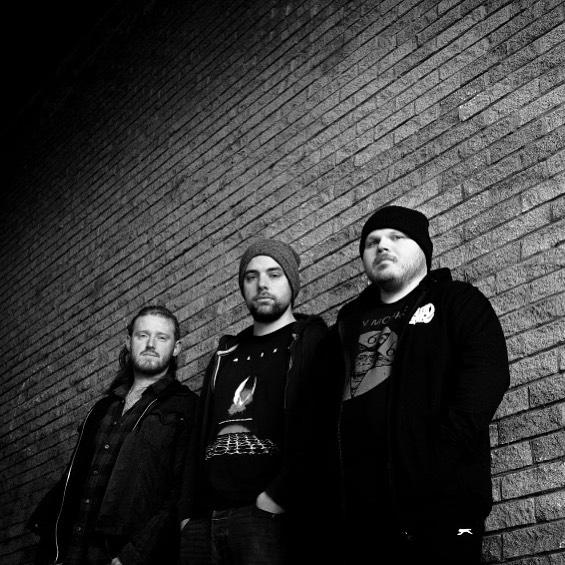
Behold! The Monolith’s Spotify BioIn their fourteen years of existence, Los Angeles’ progressive sludge stalwarts BEHOLD! THE MONOLITH have experienced triumph, loss and all that is in between. Their 2012 release Defender, Redeemist was a breakthrough, described as a “musical reincarnation of the Wooly Mammoth” by Blabbermouth.net - but the passing of bassist and vocalist Kevin McDade in 2013 put their ascent to a halt. 2015 saw the release of Architects of the Void, which touched upon black metal textures, and the album cycle culminated in a 2016 European tour and appearance at Roadburn Festival.
In 2019, Matt Price and Chase Manhattan returned to the band’s original power-trio format, adding veteran Menno Verbaten (Cryptic Slaughter, Expulsion, Lightning Swords of Death) on bass and vocals. The three have spent the last two years refining what made BEHOLD! THE MONOLITH one of Los Angeles’ greatest treasures over the last decade: lumbering iron riffs that kneel at the altar of Iommi, foam-mouthed roars, serpentine… solos and Price’s innate love for southern licks and classic metal tics. “From The Fathomless Deep” is BEHOLD! THE MONOLITH’s darkest and most menacing record yet, an album that stares fearlessly into the shadows. The BEHOLD! THE MONOLITH of 2022 is not the same band we knew all those years ago: grizzlier, rougher-hewn and more technically visceral than they’ve ever been. A welcome reward for their decade-old following, and a ear-splitting surprise for those unbaptized.
Viberate is a music analytics platform built for A&Rs, artist managers, labels, booking agents, marketers, and artists.
It helps music professionals track artist growth, analyze audience data, monitor playlist activity, compare artists, follow song performance, and identify opportunities across the music market.
Public artist pages provide a free preview of selected artist data. Paid plans provide access to deeper analytics, historical data, charts, comparisons, playlist tools, exports, alerts, reports, and additional professional features.
Yes. Public Viberate artist pages provide selected artist analytics and music data for free.
Viberate also offers a 7-day free trial of the full platform. A credit card is required to start the trial. The trial includes access to the complete product so users can test deeper artist analytics, historical views, playlist insights, comparisons, charts, exports, alerts, and reporting features before choosing a paid plan.
Viberate provides artist analytics across streaming, playlists, social media, video, radio airplay, songs, and audience markets.
Users can analyze Spotify performance, Spotify and Apple Music playlists, YouTube activity, TikTok and Instagram growth, radio spins, song performance, audience locations, demographics, rankings, and overall artist momentum.
Artist profiles also connect to music charts, similar artists, and comparison tools, helping users benchmark performance and evaluate artists in context.
Viberate updates key artist and track data daily.
For followed artists and tracks, selected data is refreshed multiple times per day. This helps teams monitor playlist changes, streaming movement, audience growth, releases, and campaign performance with more current data.
Update frequency can vary depending on the metric and data source.
Yes. Viberate lets users compare up to five artists side by side across streaming, social media, audience, and engagement metrics.
Users can compare fanbase growth, audience demographics, locations, Spotify performance, social metrics, and other artist data over selected time periods.
Artist comparison can be used for A&R scouting, benchmarking, booking decisions, campaign planning, and evaluating artists with similar audiences or market positions.