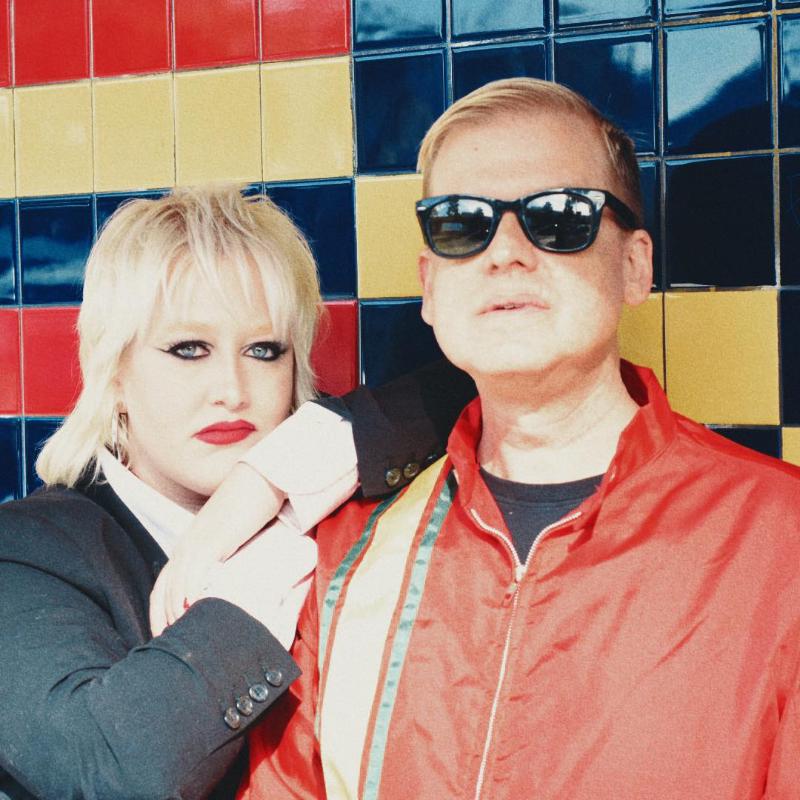
Bec Sandridge

Pop
Indie Pop
 Viberate Rank: 224392
 Viberate Rank: 224392
 Monthly ListenersFollowers
 Subscribers
 Followers
 Followers
 FansTop Spotify Songs
| Track | 7-Day Streams | |
|---|---|---|
1 | 571 | |
2 | 467 | |
3 | 141 | |
4 | 121 | |
5 | 120 |
Top YouTube VideosMonthly ListenersFeatured in Playlists| Playlist | Followers | |
|---|---|---|
1 |  The L Word: Generation Q | Official The L Word: Generation Q | 35.12K |
2 |  TASH SULTANA #TUNE Tash Sultana | 31.02K |
3 | Discover Weekly Spotify libbyskamfer | 8.30K |
4 | Australia's best new music: December Guardian Australia | 5.40K |
5 |  Ocean – John Butler Erin Finnimore | 5.05K |
Audience| City | Monthly Listeners | |
|---|---|---|
1 | | 654 |
2 | | 638 |
3 | | 432 |
4 | | 279 |
5 | | 155 |
See full performance history, audience data, playlist activity, rankings, comparisons, and more in Viberate music analytics. Start with a free trial, then continue with a paid plan.
Bec Sandridge’s Spotify BioDiscovering Bec Sandridge feels like being let in on a secret. A indie-pop shapeshifter with sharp angles, step-down black-and-white hair, and a voice somewhere between David Byrne and Kate Bush, Sandridge has been bending pop into performance art for over a decade. Her new singles Always A Fan, Healthy Shock and now We Don’t Need To Both Be Right - co-produced with Nick Zaharias (MAY-A, The Buoys) and Bec herself - is the third single from her upcoming album Happy Futures, featuring collaborators like Tony Buchen (G Flip, Smashing Pumpkins), Dave Jenkins Jr (Daniel Johns, Vera Blue, and Grammy-winner Cian Riordan (St Vincent, Lana Del Rey), Emily Retsas (Boygenius, Kim Gordon).
She’s supported Mitski, St. Vincent, Tegan and Sara, Ladyhawke, Kimbra, Yungblud; played Reeperbahn, World Pride, Falls Festival; and appeared on The L Word, Q+A, and at Sydney Opera House. Sandridge’s bold blend of theatre, fuzz pedals, and queer angst earned her Triple J rotation, an ISC finalist nod, and a… sold-out 2024 Great Southern Nights show—the first in the series to do so.
Pop - bent, broken, and reassembled into something radically her own.
Viberate is a music analytics platform built for A&Rs, artist managers, labels, booking agents, marketers, and artists.
It helps music professionals track artist growth, analyze audience data, monitor playlist activity, compare artists, follow song performance, and identify opportunities across the music market.
Public artist pages provide a free preview of selected artist data. Paid plans provide access to deeper analytics, historical data, charts, comparisons, playlist tools, exports, alerts, reports, and additional professional features.
Yes. Public Viberate artist pages provide selected artist analytics and music data for free.
Viberate also offers a 7-day free trial of the full platform. A credit card is required to start the trial. The trial includes access to the complete product so users can test deeper artist analytics, historical views, playlist insights, comparisons, charts, exports, alerts, and reporting features before choosing a paid plan.
Viberate provides artist analytics across streaming, playlists, social media, video, radio airplay, songs, and audience markets.
Users can analyze Spotify performance, Spotify and Apple Music playlists, YouTube activity, TikTok and Instagram growth, radio spins, song performance, audience locations, demographics, rankings, and overall artist momentum.
Artist profiles also connect to music charts, similar artists, and comparison tools, helping users benchmark performance and evaluate artists in context.
Viberate updates key artist and track data daily.
For followed artists and tracks, selected data is refreshed multiple times per day. This helps teams monitor playlist changes, streaming movement, audience growth, releases, and campaign performance with more current data.
Update frequency can vary depending on the metric and data source.
Yes. Viberate lets users compare up to five artists side by side across streaming, social media, audience, and engagement metrics.
Users can compare fanbase growth, audience demographics, locations, Spotify performance, social metrics, and other artist data over selected time periods.
Artist comparison can be used for A&R scouting, benchmarking, booking decisions, campaign planning, and evaluating artists with similar audiences or market positions.