Beautiful Sin

Metal
Heavy Metal
Power Metal
 Viberate Rank: 364957
 Viberate Rank: 364957
 Monthly ListenersFollowers
 Subscribers
 Followers
 Followers
 FansTop Spotify Songs
| Track | 7-Day Streams | |
|---|---|---|
1 | 507 | |
2 | 421 | |
3 | 101 | |
4 | 89 | |
5 | 61 |
Top YouTube VideosMonthly ListenersFeatured in Playlists| Playlist | Followers | |
|---|---|---|
1 |  Power Speed and Metal Chris Entonie | 38.53K |
2 |  Female Fronted Metal Tennrich | 23.86K |
3 | Heavy/Metal/Rock (Baladas) elcarlesdesiempre | 9.79K |
4 | Metal Ballads Tiago Teixeira | 6.59K |
5 |  Women of metal 🔥 Karen | 3.51K |
Audience| City | Monthly Listeners | |
|---|---|---|
1 |  | 48 |
2 |  | 43 |
3 | | 38 |
4 |  | 30 |
5 |  | 29 |
See full performance history, audience data, playlist activity, rankings, comparisons, and more in Viberate music analytics. Start with a free trial, then continue with a paid plan.
Beautiful Sin’s Spotify BioThere is no need to introduce Uli Kusch (Masterplan, ex-Helloween) any more. For several years he has been one of the few really influencing characters in German metal scene. And though, or should we say because of that, there is so much to say about him.
Uli himself is thinking about doing his very own thing next to Masterplan in the meanwhile. Something unique. This idea gets clearer in autumn of 2004 and Uli starts talking to Magali about his own plans and not about producing.
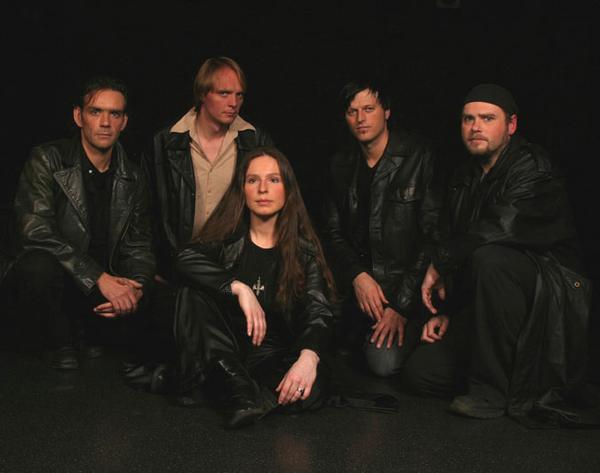
Uli `s und Magali ´s bandmates are also worth to talk about: next to Pagan ´s Mind `s Jorn Viggo Lofstad (guitar) and Steinar Krokmo (bass), coming from Uli `s new chosen home Norway, there is also Kusch `s Masterplan-mate Axel Mackenrott (keyboards) with the band.
So here we are with a powerful, traditionally metallic and though fresh and new and unique album that combines the different artistic characters of the band members in a very harmonic way. An album that is ready to convince and that, even though Uli… Kusch is a founding member of it, does not make you miss Masterplan at all.
Melodic, powerful metal with a beautiful female voice will be lifted into a new dimension with this album of Beautiful Sin.
Sin can be soooo beautiful…
Viberate is a music analytics platform built for A&Rs, artist managers, labels, booking agents, marketers, and artists.
It helps music professionals track artist growth, analyze audience data, monitor playlist activity, compare artists, follow song performance, and identify opportunities across the music market.
Public artist pages provide a free preview of selected artist data. Paid plans provide access to deeper analytics, historical data, charts, comparisons, playlist tools, exports, alerts, reports, and additional professional features.
Yes. Public Viberate artist pages provide selected artist analytics and music data for free.
Viberate also offers a 7-day free trial of the full platform. A credit card is required to start the trial. The trial includes access to the complete product so users can test deeper artist analytics, historical views, playlist insights, comparisons, charts, exports, alerts, and reporting features before choosing a paid plan.
Viberate provides artist analytics across streaming, playlists, social media, video, radio airplay, songs, and audience markets.
Users can analyze Spotify performance, Spotify and Apple Music playlists, YouTube activity, TikTok and Instagram growth, radio spins, song performance, audience locations, demographics, rankings, and overall artist momentum.
Artist profiles also connect to music charts, similar artists, and comparison tools, helping users benchmark performance and evaluate artists in context.
Viberate updates key artist and track data daily.
For followed artists and tracks, selected data is refreshed multiple times per day. This helps teams monitor playlist changes, streaming movement, audience growth, releases, and campaign performance with more current data.
Update frequency can vary depending on the metric and data source.
Yes. Viberate lets users compare up to five artists side by side across streaming, social media, audience, and engagement metrics.
Users can compare fanbase growth, audience demographics, locations, Spotify performance, social metrics, and other artist data over selected time periods.
Artist comparison can be used for A&R scouting, benchmarking, booking decisions, campaign planning, and evaluating artists with similar audiences or market positions.