Bear Trade

Punk
Punk Rock
Indie Rock
 Viberate Rank: 656382
 Viberate Rank: 656382
 Monthly ListenersFollowers
 Subscribers
 Followers
 Followers
 FansTop Spotify Songs
| Track | 7-Day Streams | |
|---|---|---|
1 | 31 | |
2 | 29 | |
3 | 19 | |
4 | 17 | |
5 | 17 |
Top YouTube VideosMonthly ListenersFeatured in Playlists| Playlist | Followers | |
|---|---|---|
1 | Fat Music for Fat People Sergi Calzada Baños | 3.46K |
Audience| City | Monthly Listeners | |
|---|---|---|
1 | | 10 |
2 | | 5 |
3 |  | 5 |
4 | | 4 |
5 |  | 3 |
See full performance history, audience data, playlist activity, rankings, comparisons, and more in Viberate music analytics. Start with a free trial, then continue with a paid plan.
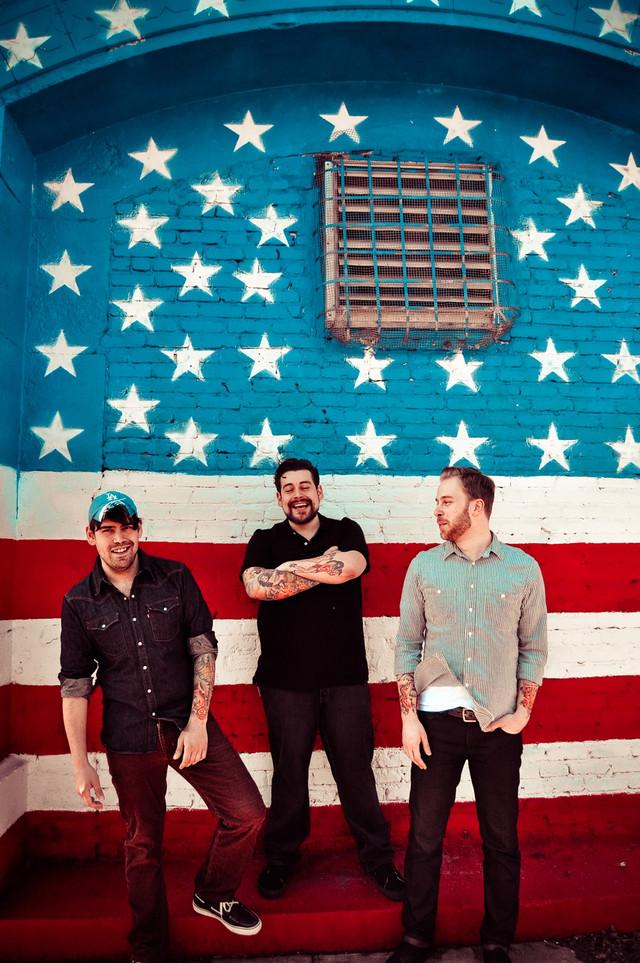
Bear Trade’s Spotify BioFormed by ex-members of Blocko, Former Cell Mates, Pure Graft, and the Mercury League in 2011, Bear Trade came about when frontman and guitarist Greg Robson wrote a wealth of material that prompted him to start a new band. Initially joined by drummer Peter Morley and guitarist Callum Goldsbrough, the three-piece needed a full-time bassist, and after a chance meeting between Robson and Lloyd Chambers at a mutual friend's wedding, the band was complete. With rehearsal sessions at Nile Street in Sunderland under their belts, the band headed out in support of their new material, playing shows with the likes of Latterman and Bridge & Tunnel as well as headlining their own gigs throughout the U.K. Invited to play Fest 11 in Gainesville, Florida in late 2012, the band embarked on a U.S. tour and at the same time inked a deal with American label Dead Broke to release the six-track album Hip Flask Life on limited cassette and download. In 2013 Japanese label Waterslide issued another version of… the album under the title Whisky on a Bluebird and newly formed U.K. label Everything Sucks released a shortened 7" version featuring four tracks from the record. Heading back into the studio on Nile Street the group set about recording their debut album. Released in early May 2014, Blood and Sand received positive reviews for its mix of melodic punk rock that drew influence from the bandmembers' history within the U.K. punk scene. ~ Rich Wilson, Rovi
Viberate is a music analytics platform built for A&Rs, artist managers, labels, booking agents, marketers, and artists.
It helps music professionals track artist growth, analyze audience data, monitor playlist activity, compare artists, follow song performance, and identify opportunities across the music market.
Public artist pages provide a free preview of selected artist data. Paid plans provide access to deeper analytics, historical data, charts, comparisons, playlist tools, exports, alerts, reports, and additional professional features.
Yes. Public Viberate artist pages provide selected artist analytics and music data for free.
Viberate also offers a 7-day free trial of the full platform. A credit card is required to start the trial. The trial includes access to the complete product so users can test deeper artist analytics, historical views, playlist insights, comparisons, charts, exports, alerts, and reporting features before choosing a paid plan.
Viberate provides artist analytics across streaming, playlists, social media, video, radio airplay, songs, and audience markets.
Users can analyze Spotify performance, Spotify and Apple Music playlists, YouTube activity, TikTok and Instagram growth, radio spins, song performance, audience locations, demographics, rankings, and overall artist momentum.
Artist profiles also connect to music charts, similar artists, and comparison tools, helping users benchmark performance and evaluate artists in context.
Viberate updates key artist and track data daily.
For followed artists and tracks, selected data is refreshed multiple times per day. This helps teams monitor playlist changes, streaming movement, audience growth, releases, and campaign performance with more current data.
Update frequency can vary depending on the metric and data source.
Yes. Viberate lets users compare up to five artists side by side across streaming, social media, audience, and engagement metrics.
Users can compare fanbase growth, audience demographics, locations, Spotify performance, social metrics, and other artist data over selected time periods.
Artist comparison can be used for A&R scouting, benchmarking, booking decisions, campaign planning, and evaluating artists with similar audiences or market positions.