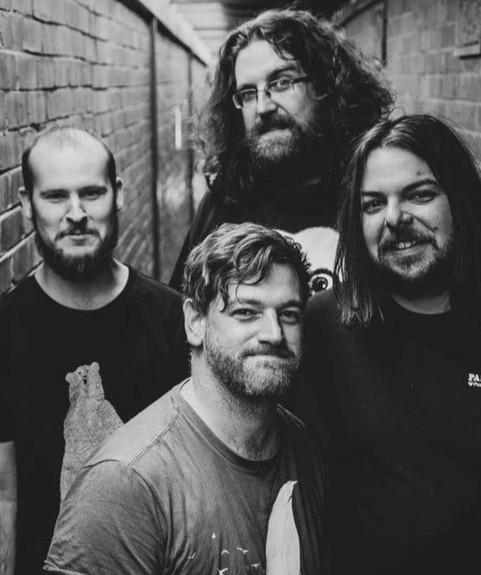
Bear the Mammoth

Rock
Progressive Rock
Post Rock
 Viberate Rank: 432167
 Viberate Rank: 432167
 Monthly ListenersFollowers
 Subscribers
 Followers
 Followers
 FansTop Spotify Songs
| Track | 7-Day Streams | |
|---|---|---|
1 | 45 | |
2 | 16 | |
3 | 14 | |
4 | 10 | |
5 | 10 |
Top YouTube Videos| Video | 7-Day Views | |
|---|---|---|
1 | 33 | |
2 | 5 | |
3 | 2 | |
4 | 2 | |
5 | 2 |
Monthly ListenersFeatured in Playlists| Playlist | Followers | |
|---|---|---|
1 |  Post Rock | Space Rock | Ambient Refly | 8.33K |
2 | Post rock - Instrumental - Ambient - Coding Wouter Flikweert | 4.21K |
3 |  Worldhaspostrock Mateus S. | 3.29K |
4 |  Stronk music sirfoch | 3.18K |
5 | Post-Rock a-Failsafe | 2.83K |
Audience| City | Monthly Listeners | |
|---|---|---|
1 | | 34 |
2 | | 8 |
3 | | 7 |
4 |  | 5 |
5 |  | 3 |
See full performance history, audience data, playlist activity, rankings, comparisons, and more in Viberate music analytics. Start with a free trial, then continue with a paid plan.
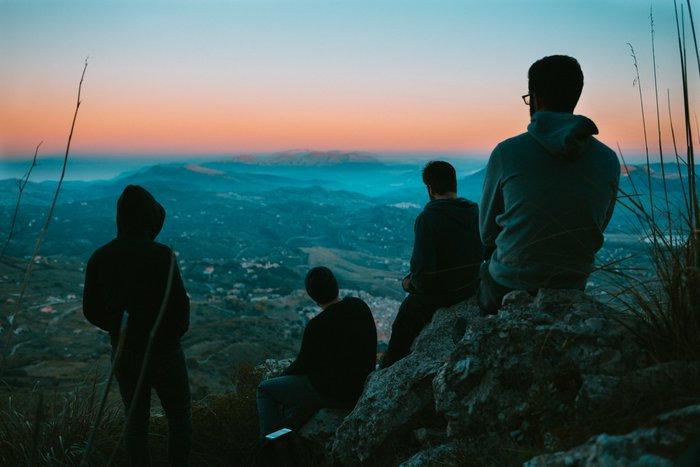
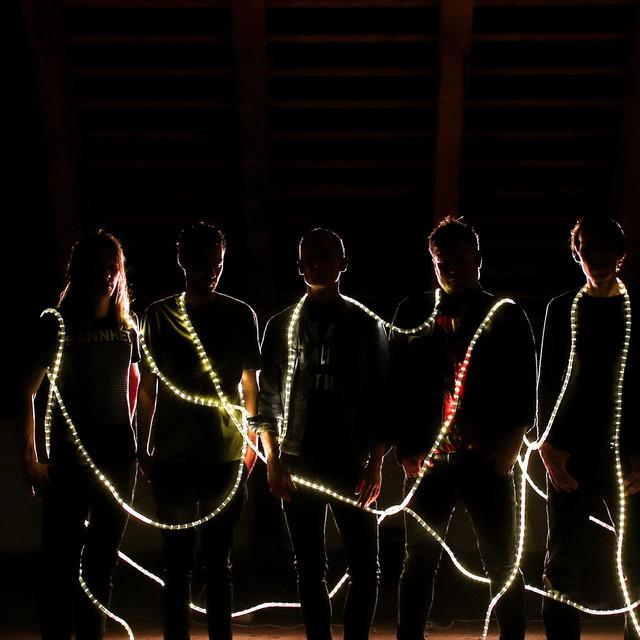
Bear the Mammoth’s Spotify BioBear the Mammoth is a progressive post-rock band from Melbourne, Australia. Delivering music that has been said to be “Moody, atmospheric, and sublime. The music pitches and lulls, ebbs and flows like an ocean of melody and mood. Lovers of post-rock will not be disappointed.” Spiralspiral, Triple J SuperUser.
After recording their first EP, in 2014 Bear the Mammoth hit the studio with Nao Anzai at Soundpark Studios in Northcote to record their debut album, Yamadori. The band's second studio album, Years Under Glass, was released in 2018, pushing their signature sound to the next level.
2023 will see Bear the Mammoth release their third album Purple Haus. They again partnered with Nao Anzai to produce the album and recorded again at Head Gap Studios. This new studio album explores experimental post-rock sounds, creating a atmospheric space to disappear into.
Having played with the likes of Anathema, We Lost The Sea, Jakob, Closure In Moscow, Sleepmakeswaves, Tangled Thoughts of Leaving,… Solkyri, Eleventh He Reaches London, Jericco, Ne Obliviscaris, The Red Paintings, and many more acts, Bear the Mammoth have made their mark in the Australian progressive music scene.
Viberate is a music analytics platform built for A&Rs, artist managers, labels, booking agents, marketers, and artists.
It helps music professionals track artist growth, analyze audience data, monitor playlist activity, compare artists, follow song performance, and identify opportunities across the music market.
Public artist pages provide a free preview of selected artist data. Paid plans provide access to deeper analytics, historical data, charts, comparisons, playlist tools, exports, alerts, reports, and additional professional features.
Yes. Public Viberate artist pages provide selected artist analytics and music data for free.
Viberate also offers a 7-day free trial of the full platform. A credit card is required to start the trial. The trial includes access to the complete product so users can test deeper artist analytics, historical views, playlist insights, comparisons, charts, exports, alerts, and reporting features before choosing a paid plan.
Viberate provides artist analytics across streaming, playlists, social media, video, radio airplay, songs, and audience markets.
Users can analyze Spotify performance, Spotify and Apple Music playlists, YouTube activity, TikTok and Instagram growth, radio spins, song performance, audience locations, demographics, rankings, and overall artist momentum.
Artist profiles also connect to music charts, similar artists, and comparison tools, helping users benchmark performance and evaluate artists in context.
Viberate updates key artist and track data daily.
For followed artists and tracks, selected data is refreshed multiple times per day. This helps teams monitor playlist changes, streaming movement, audience growth, releases, and campaign performance with more current data.
Update frequency can vary depending on the metric and data source.
Yes. Viberate lets users compare up to five artists side by side across streaming, social media, audience, and engagement metrics.
Users can compare fanbase growth, audience demographics, locations, Spotify performance, social metrics, and other artist data over selected time periods.
Artist comparison can be used for A&R scouting, benchmarking, booking decisions, campaign planning, and evaluating artists with similar audiences or market positions.