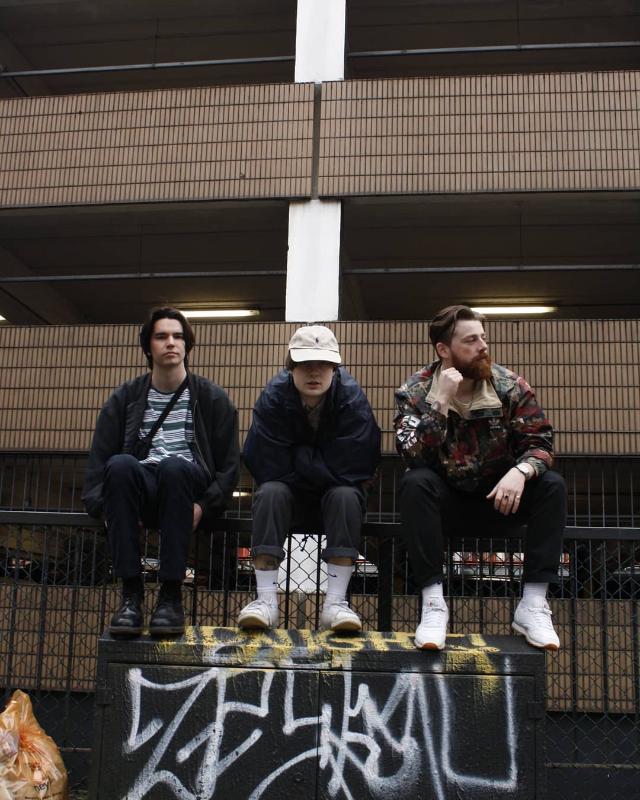
Beach Skulls

Rock
Alternative Rock
Garage Rock
 Viberate Rank: 512180
 Viberate Rank: 512180
 Monthly ListenersFollowers
 Subscribers
 Followers
 Followers
 FansTop Spotify Songs
| Track | 7-Day Streams | |
|---|---|---|
1 | 52 | |
2 | 42 | |
3 | 26 | |
4 | 23 | |
5 | 18 |
Top YouTube VideosMonthly ListenersFeatured in Playlists| Playlist | Followers | |
|---|---|---|
1 |  Twin Peaks Vibes & David Lynch Moods Eli B. | 7.53K |
2 | Beach Goth kylehauk | 7.46K |
3 | Paul Dahill | 6.52K |
4 |  Off Your Face anton newcombe | 5.86K |
5 |  Indie Surf Revival Gian Zlupko | 3.39K |
Audience| City | Monthly Listeners | |
|---|---|---|
1 |  | 13 |
2 | | 10 |
3 | | 9 |
4 |  | 8 |
5 | | 8 |
See full performance history, audience data, playlist activity, rankings, comparisons, and more in Viberate music analytics. Start with a free trial, then continue with a paid plan.
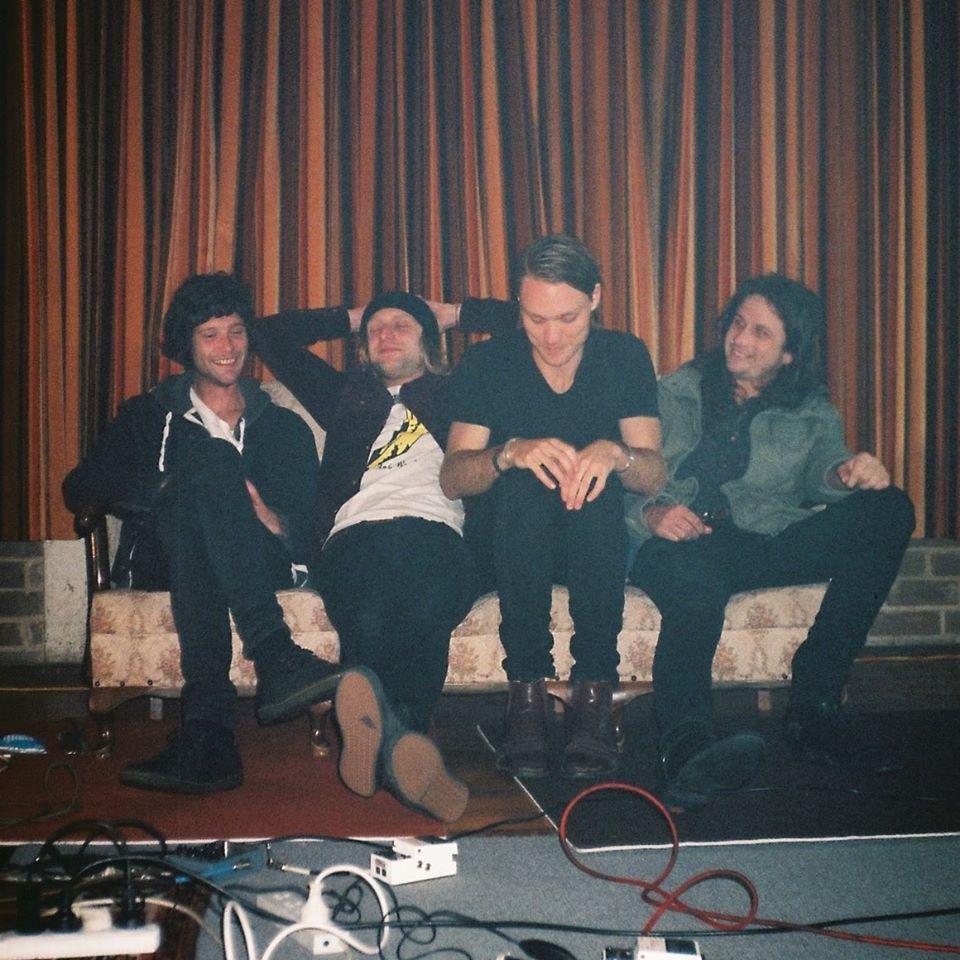
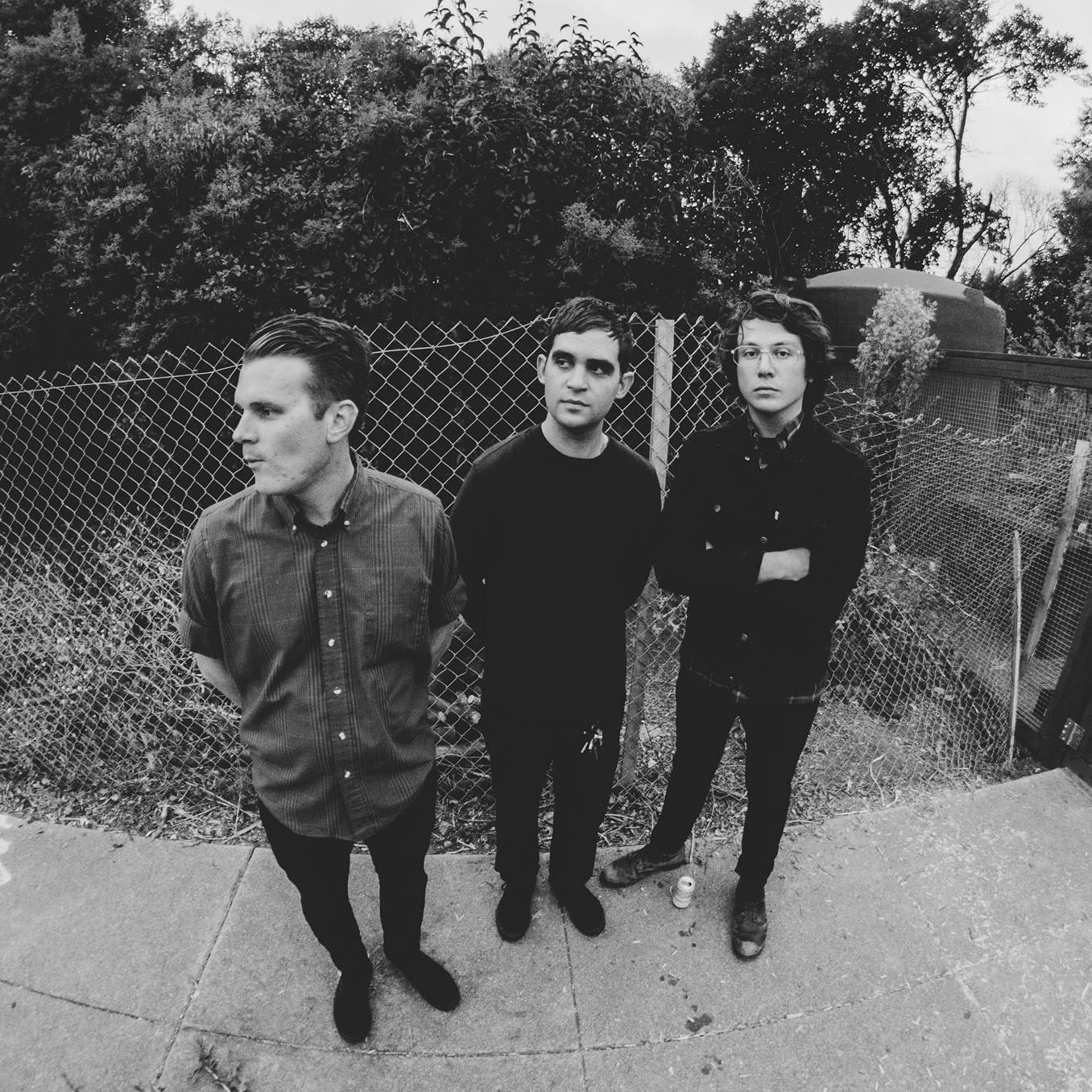
Beach Skulls’ Spotify BioWhen Beach Skulls named their first record Slow Grind, they meant it. It took them the best part of five years to find the right lineup and the right label, with singer-guitarist Ry Vieira and drummer Jordan Finney only signing to PNKSLM after a trip to Berlin united them with a long-sought bassist in Dan West. Vieira and Finney formed the band in their native Widnes over a shared love of Dick Dale and, eventually, the surf-rock stylings of early Beach Skulls gave way to the chiming guitars and sunny melodies that defined their debut LP.
If Slow Grind marked the end of a long road for Beach Skulls, then sophomore album Las Dunas feels like a celebration of the start of a new one. They swapped the sterile surrounds of Liverpool’s Parr Street Studios for an old unit on an industrial estate in nearby Birkenhead, giving them more time to experiment after Slow Grind was completed in just four days. “There’s supposed to be more pressure than ever on your second record,” says Vieira, “but that… wasn’t how it felt to us. We were more comfortable than last time; we had time to sit around drinking a few beers and trying different things. We didn’t think we had to rush.”
The result is a glorious exercise in blissed-out garage-pop that leans towards some of the trio’s more psychedelic influences more than ever before; they namecheck The Golden Dawn and Allah-Las in particular, as well as the Texas psych scene more generally. Las Dunas is due on June 1 via PNKSLM Recordings.
Viberate is a music analytics platform built for A&Rs, artist managers, labels, booking agents, marketers, and artists.
It helps music professionals track artist growth, analyze audience data, monitor playlist activity, compare artists, follow song performance, and identify opportunities across the music market.
Public artist pages provide a free preview of selected artist data. Paid plans provide access to deeper analytics, historical data, charts, comparisons, playlist tools, exports, alerts, reports, and additional professional features.
Yes. Public Viberate artist pages provide selected artist analytics and music data for free.
Viberate also offers a 7-day free trial of the full platform. A credit card is required to start the trial. The trial includes access to the complete product so users can test deeper artist analytics, historical views, playlist insights, comparisons, charts, exports, alerts, and reporting features before choosing a paid plan.
Viberate provides artist analytics across streaming, playlists, social media, video, radio airplay, songs, and audience markets.
Users can analyze Spotify performance, Spotify and Apple Music playlists, YouTube activity, TikTok and Instagram growth, radio spins, song performance, audience locations, demographics, rankings, and overall artist momentum.
Artist profiles also connect to music charts, similar artists, and comparison tools, helping users benchmark performance and evaluate artists in context.
Viberate updates key artist and track data daily.
For followed artists and tracks, selected data is refreshed multiple times per day. This helps teams monitor playlist changes, streaming movement, audience growth, releases, and campaign performance with more current data.
Update frequency can vary depending on the metric and data source.
Yes. Viberate lets users compare up to five artists side by side across streaming, social media, audience, and engagement metrics.
Users can compare fanbase growth, audience demographics, locations, Spotify performance, social metrics, and other artist data over selected time periods.
Artist comparison can be used for A&R scouting, benchmarking, booking decisions, campaign planning, and evaluating artists with similar audiences or market positions.