bdrmm

Rock
Indie Rock
Shoegaze
 Viberate Rank: 94440
 Viberate Rank: 94440
 Monthly ListenersFollowers
 Subscribers
 Followers
 Followers
 FansTop Spotify Songs
| Track | 7-Day Streams | |
|---|---|---|
1 | 16.32K | |
2 | 14.11K | |
3 | 9.20K | |
4 | 5.09K | |
5 | 4.90K |
Top YouTube VideosMonthly ListenersFeatured in Playlists| Playlist | Followers | |
|---|---|---|
1 |  Brain Food Spotify | 3.66M |
2 |  All New Rock Spotify | 959.91K |
3 |  New Noise Spotify | 475.45K |
4 |  Spooky Spotify | 463.48K |
5 |  All New Punk Spotify | 337.00K |
Audience| City | Monthly Listeners | |
|---|---|---|
1 | | 2.81K |
2 |  | 1.38K |
3 |  | 1.26K |
4 |  | 1.12K |
5 |  | 1.09K |
See full performance history, audience data, playlist activity, rankings, comparisons, and more in Viberate music analytics. Start with a free trial, then continue with a paid plan.
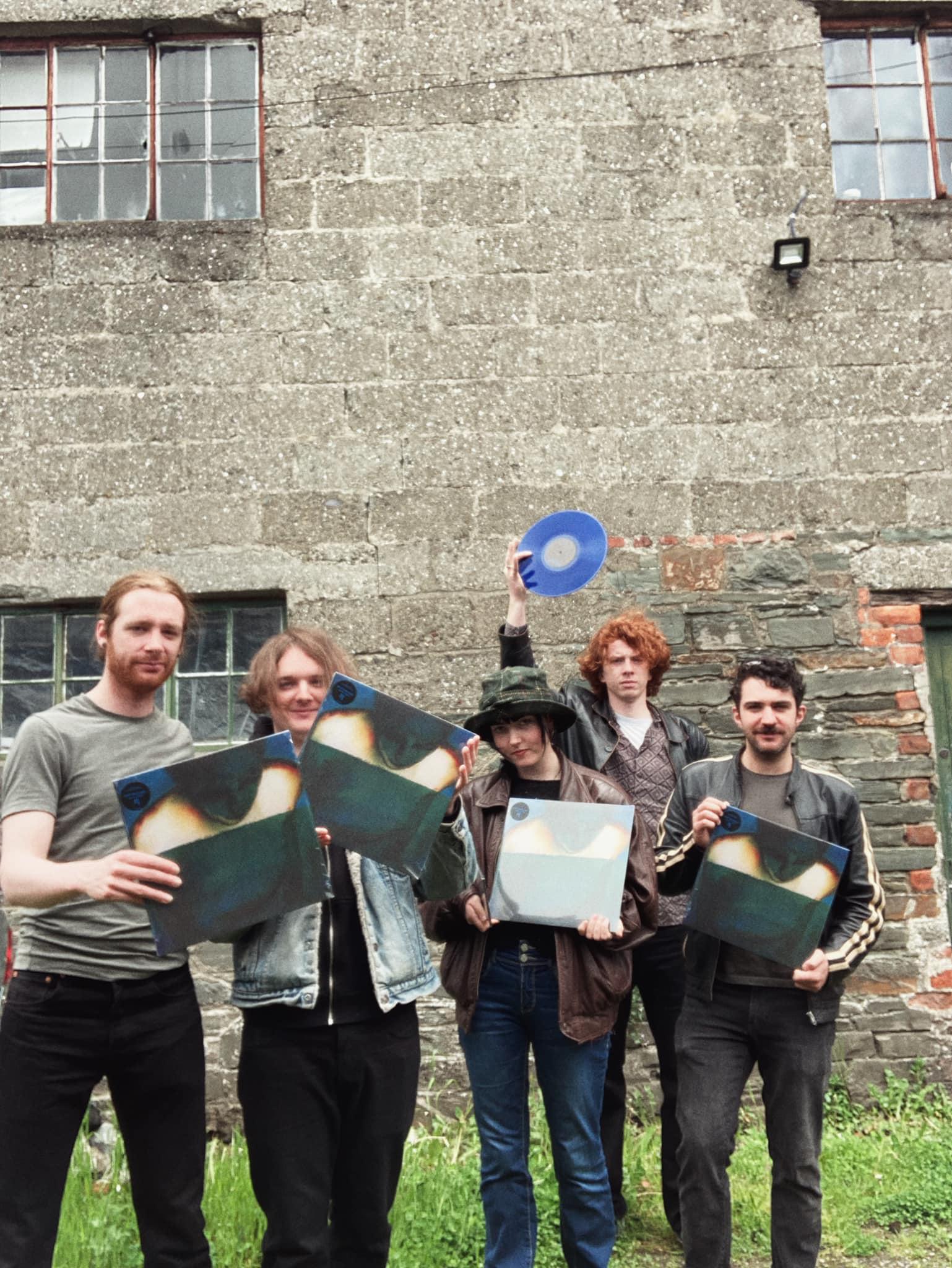
bdrmm’s Spotify BioHull, U.K.-based quartet Bdrmm walk the line between dream pop and shoegaze, switching between ethereal melancholy and driving delay with ease. Their 2020 debut album, Bedroom, incorporated post-punk, Krautrock, and '90s alternative influences. With 2023's I Don't Know, they switched things up and included more electronic and ambient textures, and 2025's Microtonic went further in this direction, embracing dance genres like acid house and drum'n'bass.
Originally a solo project, lead vocalist Ryan Smith decided to expand into a band; he roped in his brother, Jordan Smith, on bass before drafting Joe Vickers (guitar), Danny Hull (synth, backing vocals), and Luke Irvin (drums). Following a few digital releases, their single "C:U" was picked up by small London label Permanent Creeps, which secured the song radio play. The track was noticed by Sonic Cathedral, which signed the band in 2019 and went on to release their debut EP, If Not, When?, later the same year. They followed up with a… full-length release, Bedroom, in 2020. The Bedroom Tapes, an EP of live tracks and remixes, appeared later in the year. The single "Port" followed in 2021, and the song was subsequently remixed by A Place to Bury Strangers, Daniel Avery, Jonathan Snipes (clipping.), and others. A dreamy track titled "Three" was issued in 2022.
By 2023, the band's lineup consisted of Ryan and Jordan Smith, Joe Vickers, and drummer Conor Murray. They signed with Mogwai's Rock Action Records, and their second album, I Don't Know, drew from a wider pool of influences than their debut, including ambient, trip-hop, slowcore, and jazz. Non-album song "Mud" and a Fila Brazillia remix of "Be Careful" followed. In 2024, bdrmm released the track "Standard Tuning," as well as Nathan Fake's remix of "Alps." Microtonic, the band's third album, drew from beat-driven electronic genres such as acid house, techno, and dubstep. The full-length was issued in 2025. ~ Liam Martin & Paul Simpson, Rovi
Viberate is a music analytics platform built for A&Rs, artist managers, labels, booking agents, marketers, and artists.
It helps music professionals track artist growth, analyze audience data, monitor playlist activity, compare artists, follow song performance, and identify opportunities across the music market.
Public artist pages provide a free preview of selected artist data. Paid plans provide access to deeper analytics, historical data, charts, comparisons, playlist tools, exports, alerts, reports, and additional professional features.
Yes. Public Viberate artist pages provide selected artist analytics and music data for free.
Viberate also offers a 7-day free trial of the full platform. A credit card is required to start the trial. The trial includes access to the complete product so users can test deeper artist analytics, historical views, playlist insights, comparisons, charts, exports, alerts, and reporting features before choosing a paid plan.
Viberate provides artist analytics across streaming, playlists, social media, video, radio airplay, songs, and audience markets.
Users can analyze Spotify performance, Spotify and Apple Music playlists, YouTube activity, TikTok and Instagram growth, radio spins, song performance, audience locations, demographics, rankings, and overall artist momentum.
Artist profiles also connect to music charts, similar artists, and comparison tools, helping users benchmark performance and evaluate artists in context.
Viberate updates key artist and track data daily.
For followed artists and tracks, selected data is refreshed multiple times per day. This helps teams monitor playlist changes, streaming movement, audience growth, releases, and campaign performance with more current data.
Update frequency can vary depending on the metric and data source.
Yes. Viberate lets users compare up to five artists side by side across streaming, social media, audience, and engagement metrics.
Users can compare fanbase growth, audience demographics, locations, Spotify performance, social metrics, and other artist data over selected time periods.
Artist comparison can be used for A&R scouting, benchmarking, booking decisions, campaign planning, and evaluating artists with similar audiences or market positions.