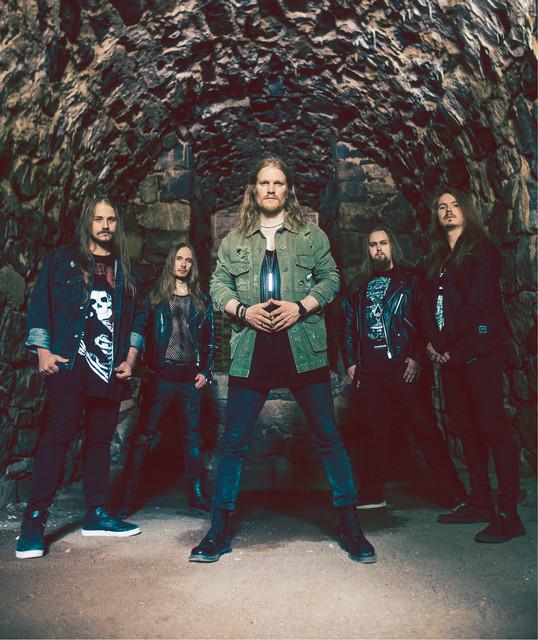
Battle Beast

Metal
Power Metal
Symphonic Metal
 Viberate Rank: 20113
 Viberate Rank: 20113
 Monthly ListenersFollowers
 Subscribers
 Followers
 Followers
 FansTop Spotify Songs
| Track | 7-Day Streams | |
|---|---|---|
1 | 86.68K | |
2 | 59.98K | |
3 | 56.84K | |
4 | 54.84K | |
5 | 52.93K |
Top YouTube Videos| Video | 7-Day Views | |
|---|---|---|
1 | 25.62K | |
2 | 24.33K | |
3 | 24.20K | |
4 | 21.28K | |
5 | 17.82K |
Monthly ListenersFeatured in Playlists| Playlist | Followers | |
|---|---|---|
1 |  Heavy Metal Spotify | 1.42M |
2 |  Epic & Melodic Spotify | 825.53K |
3 |  Women of Metal Spotify | 800.77K |
4 |  VOLUME SUOMI Spotify | 119.60K |
5 |  This is Power Metal Metal Playlists | 60.40K |
Audience| City | Monthly Listeners | |
|---|---|---|
1 | | 28.89K |
2 |  | 11.04K |
3 |  | 9.67K |
4 | | 9.44K |
5 | | 9.24K |
See full performance history, audience data, playlist activity, rankings, comparisons, and more in Viberate music analytics. Start with a free trial, then continue with a paid plan.
Battle Beast’s Spotify BioKnown for their energetic shows, infectious choruses, ripping solos and otherworldly vocals, Battle Beast are a band that’s destined for glory. Having gone through hardships that would leave a lesser band crippled, Battle Beast has truly gone against the grain, only growing stronger with each blow.
Moving fluently between classic metal, superpowered synthesizers, and symphonic realms — even embracing '80s-tinged hard rock — these Helsinki heavy metal hitmakers have created a musical palette that’s powerful, engaging, and—above all—fun.
Ever since their humble beginnings with 2011’s Steel, each subsequent release has seen the band grow like an impending snowball of doom, earning them a loyal following. Released in 2022, the band’s sixth album, Circus of Doom — their fourth consecutive chart-topper in their home country — saw the sextet selling out sizeable venues across the globe.
The band’s new single, Last Goodbye, marks the beginning of a new chapter for Battle Beast, fusing their… impeccable sense of melody with fresh ambition. And with the advent of their highly anticipated seventh album at hand, there is no doubt about the kind of future Battle Beast is headed for. The best is yet to come.
BATTLE BEAST are:
Noora Louhimo – Vocals | Janne Björkroth – Keytar | Juuso Soinio – Guitars
Joona Björkroth – Guitars | Eero Sipilä – Bass | Pyry Vikki – Drums
Viberate is a music analytics platform built for A&Rs, artist managers, labels, booking agents, marketers, and artists.
It helps music professionals track artist growth, analyze audience data, monitor playlist activity, compare artists, follow song performance, and identify opportunities across the music market.
Public artist pages provide a free preview of selected artist data. Paid plans provide access to deeper analytics, historical data, charts, comparisons, playlist tools, exports, alerts, reports, and additional professional features.
Yes. Public Viberate artist pages provide selected artist analytics and music data for free.
Viberate also offers a 7-day free trial of the full platform. A credit card is required to start the trial. The trial includes access to the complete product so users can test deeper artist analytics, historical views, playlist insights, comparisons, charts, exports, alerts, and reporting features before choosing a paid plan.
Viberate provides artist analytics across streaming, playlists, social media, video, radio airplay, songs, and audience markets.
Users can analyze Spotify performance, Spotify and Apple Music playlists, YouTube activity, TikTok and Instagram growth, radio spins, song performance, audience locations, demographics, rankings, and overall artist momentum.
Artist profiles also connect to music charts, similar artists, and comparison tools, helping users benchmark performance and evaluate artists in context.
Viberate updates key artist and track data daily.
For followed artists and tracks, selected data is refreshed multiple times per day. This helps teams monitor playlist changes, streaming movement, audience growth, releases, and campaign performance with more current data.
Update frequency can vary depending on the metric and data source.
Yes. Viberate lets users compare up to five artists side by side across streaming, social media, audience, and engagement metrics.
Users can compare fanbase growth, audience demographics, locations, Spotify performance, social metrics, and other artist data over selected time periods.
Artist comparison can be used for A&R scouting, benchmarking, booking decisions, campaign planning, and evaluating artists with similar audiences or market positions.