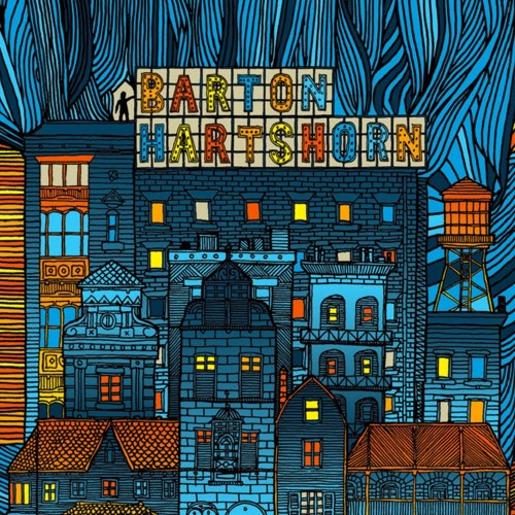
Barton Hartshorn

Country
Americana/Alt Country
 Viberate Rank: 426622
 Viberate Rank: 426622
 Monthly ListenersFollowers
 Subscribers
 Followers
 Followers
 FansTop Spotify SongsTop YouTube VideosMonthly ListenersFeatured in Playlists
| Playlist | Followers | |
|---|---|---|
1 |  Indie Temptations Select. | 8.87K |
2 |  Chill Holiday 2022 Music Arena | 8.23K |
3 |  Alternative Favourites SSL Group | 8.12K |
4 |  True Alternative Chris Tofa | 7.26K |
5 |  Mellow Indie Music Steven Kool | 6.05K |
Audience| City | Monthly Listeners | |
|---|---|---|
1 |  | 13 |
2 |  | 12 |
3 |  | 11 |
4 |  | 8 |
5 | | 7 |
See full performance history, audience data, playlist activity, rankings, comparisons, and more in Viberate music analytics. Start with a free trial, then continue with a paid plan.
Barton Hartshorn’s Spotify BioBarton Hartshorn grew up in the English village of the same name and spent his childhood listening to folk singers playing in the local clubs. The storytelling nature of these songs were to have a big influence on his own music as he blended it with the sound coming out of the pop and rock scene in the UK.
It was during a year spent in Australia that “I died of boredom & came back as me” began to take shape. Drawing on influences from west coast American artists such as Joni Mitchell, Jackson Brown & Steely Dan, the songs took on a more Americana feel. Following European success, the album was released in the USA and Barton toured there twice in 2019.
Armed with new songs written during his American tours, Barton went back into the studio with his band and recorded “Not what I was expected to hope for”, a return to his English pop roots but with his usual flair for storytelling.
Emerging from the forced exile of 2020-2021, Barton found himself with a large number of songs. Taking… inspiration from the line of English singer-songwriters that runs from Nick Drake through Lloyd Cole to Pete Doherty and beyond, he chose 10 that lent themselves to an indie-folk aesthetic and began work on the new album, “Manchester Sun”.
Viberate is a music analytics platform built for A&Rs, artist managers, labels, booking agents, marketers, and artists.
It helps music professionals track artist growth, analyze audience data, monitor playlist activity, compare artists, follow song performance, and identify opportunities across the music market.
Public artist pages provide a free preview of selected artist data. Paid plans provide access to deeper analytics, historical data, charts, comparisons, playlist tools, exports, alerts, reports, and additional professional features.
Yes. Public Viberate artist pages provide selected artist analytics and music data for free.
Viberate also offers a 7-day free trial of the full platform. A credit card is required to start the trial. The trial includes access to the complete product so users can test deeper artist analytics, historical views, playlist insights, comparisons, charts, exports, alerts, and reporting features before choosing a paid plan.
Viberate provides artist analytics across streaming, playlists, social media, video, radio airplay, songs, and audience markets.
Users can analyze Spotify performance, Spotify and Apple Music playlists, YouTube activity, TikTok and Instagram growth, radio spins, song performance, audience locations, demographics, rankings, and overall artist momentum.
Artist profiles also connect to music charts, similar artists, and comparison tools, helping users benchmark performance and evaluate artists in context.
Viberate updates key artist and track data daily.
For followed artists and tracks, selected data is refreshed multiple times per day. This helps teams monitor playlist changes, streaming movement, audience growth, releases, and campaign performance with more current data.
Update frequency can vary depending on the metric and data source.
Yes. Viberate lets users compare up to five artists side by side across streaming, social media, audience, and engagement metrics.
Users can compare fanbase growth, audience demographics, locations, Spotify performance, social metrics, and other artist data over selected time periods.
Artist comparison can be used for A&R scouting, benchmarking, booking decisions, campaign planning, and evaluating artists with similar audiences or market positions.