Bare Traps

Rock
Alternative Rock
 Viberate Rank: 665069
 Viberate Rank: 665069
 Monthly ListenersFollowers
 Subscribers
 Followers
 Followers
 FansTop Spotify Songs
| Track | 7-Day Streams | |
|---|---|---|
1 | 4 | |
2 | 4 | |
3 | 2 | |
4 | 1 |
Top YouTube VideosMonthly ListenersFeatured in Playlists| Playlist | Followers | |
|---|---|---|
1 |  IndieAir - All Songs indieairyt | 24.67K |
2 |  alexrainbirdMusic 2017 alexrainbirdMusic | 8.77K |
3 |  wave of good noise - all songs wave of good noise | 6.81K |
4 |  Alex Rainbird's Indie Music Rebeca Dragos | 4.27K |
5 |  alexrainbirdMusic 2016 alexrainbirdMusic | 4.13K |
Audience| City | Monthly Listeners | |
|---|---|---|
1 | | 3 |
See full performance history, audience data, playlist activity, rankings, comparisons, and more in Viberate music analytics. Start with a free trial, then continue with a paid plan.
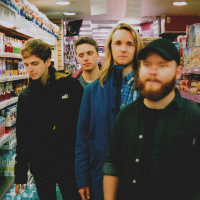
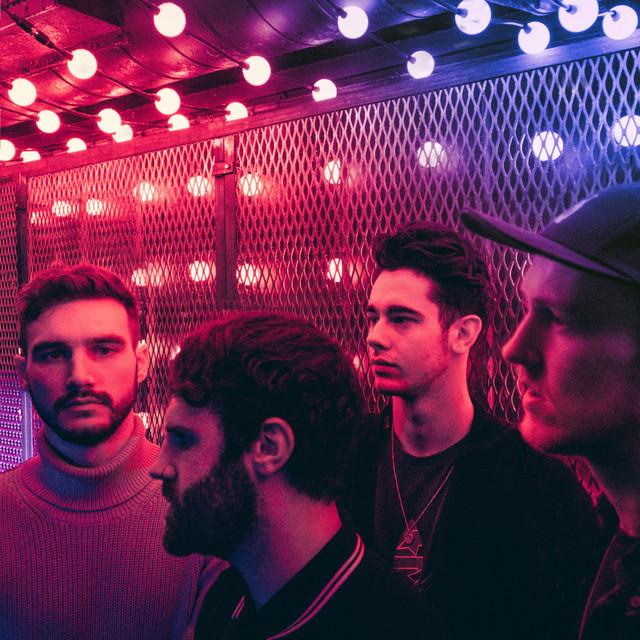
Bare Traps’ Spotify BioIn a desperate attempt to avoid ‘real work’ – and in one individual’s case, to avoid capture – the four members of Bare Traps fled to the bright lights of the big city. In our great nation’s capital, meeting at the dankest end of the Bakerloo Line, they vowed to transcend their monotonous lives by selling their souls in exchange for sonic sorcery. These sorcerers combined sun-drenched mathy guitar hooks, African rhythms, stinky grooves, a touch of the tropics, and them beats-to-make-you-move-ya-feet, resulting in an intoxicating alt-pop cocktail. At the end of 2016 they made the joint decision to become rock stars and have been living that delusion ever since.
2017 saw the lads ascend (in their own minds) to the heights of festival rock gods, with performances at The Great Escape and Fieldview. True to form, once they’d played an electric set at Sundown Festival, their rock star delusion saw them blag their way side of stage during Craig David’s performance, and after removing their… trousers and underwear, were promptly escorted away by security. Whether you hear their name on the radio or on the news, they'll be a household name soon enough.
Viberate is a music analytics platform built for A&Rs, artist managers, labels, booking agents, marketers, and artists.
It helps music professionals track artist growth, analyze audience data, monitor playlist activity, compare artists, follow song performance, and identify opportunities across the music market.
Public artist pages provide a free preview of selected artist data. Paid plans provide access to deeper analytics, historical data, charts, comparisons, playlist tools, exports, alerts, reports, and additional professional features.
Yes. Public Viberate artist pages provide selected artist analytics and music data for free.
Viberate also offers a 7-day free trial of the full platform. A credit card is required to start the trial. The trial includes access to the complete product so users can test deeper artist analytics, historical views, playlist insights, comparisons, charts, exports, alerts, and reporting features before choosing a paid plan.
Viberate provides artist analytics across streaming, playlists, social media, video, radio airplay, songs, and audience markets.
Users can analyze Spotify performance, Spotify and Apple Music playlists, YouTube activity, TikTok and Instagram growth, radio spins, song performance, audience locations, demographics, rankings, and overall artist momentum.
Artist profiles also connect to music charts, similar artists, and comparison tools, helping users benchmark performance and evaluate artists in context.
Viberate updates key artist and track data daily.
For followed artists and tracks, selected data is refreshed multiple times per day. This helps teams monitor playlist changes, streaming movement, audience growth, releases, and campaign performance with more current data.
Update frequency can vary depending on the metric and data source.
Yes. Viberate lets users compare up to five artists side by side across streaming, social media, audience, and engagement metrics.
Users can compare fanbase growth, audience demographics, locations, Spotify performance, social metrics, and other artist data over selected time periods.
Artist comparison can be used for A&R scouting, benchmarking, booking decisions, campaign planning, and evaluating artists with similar audiences or market positions.