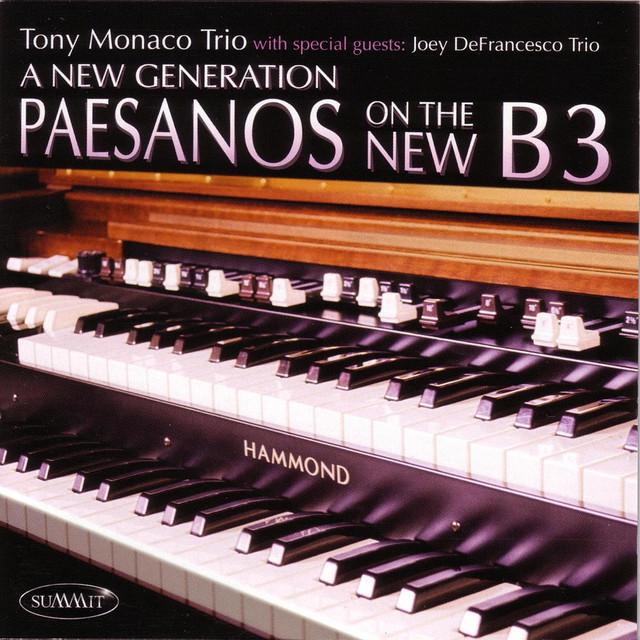
Barbara Dennerlein

Jazz
Smooth Jazz
Acid Jazz
Nu Jazz
 Viberate Rank: 186371
 Viberate Rank: 186371
 Monthly ListenersFollowers
 Subscribers
 Followers
 Followers
 FansTop Spotify Songs
| Track | 7-Day Streams | |
|---|---|---|
1 | 271 | |
2 | 215 | |
3 | 109 | |
4 | 83 | |
5 | 73 |
Top YouTube VideosMonthly ListenersFeatured in Playlists| Playlist | Followers | |
|---|---|---|
1 |  Acid Jazz Funk Kris Leenaers | 17.33K |
2 |  JAZZ FUSION FUNK AND SOUL Jazz Fusion Funk&Soul | 11.91K |
3 | jazz,funk,soul,blues,afrobeat,latin İlker Özalp | 11.48K |
4 | Burning Jazz-rock Fusion fusionprogguy | 8.92K |
5 |  Jazz Acadia : acid jazz / jazz fusion / jazz funk /soul jazz / jazz wayney56 | 7.91K |
Audience| City | Monthly Listeners | |
|---|---|---|
1 | | 38 |
2 | | 38 |
3 | | 32 |
4 | | 30 |
5 |  | 29 |
See full performance history, audience data, playlist activity, rankings, comparisons, and more in Viberate music analytics. Start with a free trial, then continue with a paid plan.
Barbara Dennerlein’s Spotify BioBarbara Dennerlein differs from most organists by not sounding all that much like Jimmy Smith. She utilizes MIDI with her organ in order to get a different sound and her basslines (which she operates through her foot pedals) really do sound like a bass.
Born in Munich in 1964, Barbara Dennerlein started playing organ at the age of eleven. Just a few years later, aged fifteen, she performed regularly at local jazz clubs. There she laid the foundations for her future career as a professional musician, which, before very long, let her rise to the circle of the few German artists with international reputation and become the leading representative of her instrument, the legendary Hammond B3. With her brilliant playing technique she created an innovative and distinctive style that opened up totally new musical dimensions for the Hammond organ, which in modern jazz had been ignored for a long time. Without doubt she can claim that she has paved the way for the organ's renaissance in jazz.
Wheth…er playing the B3 or the pipe organ; whether playing solo, or in duo, trio, quartet, quintet, or even with full orchestra backup, Barbara Dennerlein is in a class of her own; she is without question the First Lady of the organ.
http://www.barbaradennerlein.com/
Viberate is a music analytics platform built for A&Rs, artist managers, labels, booking agents, marketers, and artists.
It helps music professionals track artist growth, analyze audience data, monitor playlist activity, compare artists, follow song performance, and identify opportunities across the music market.
Public artist pages provide a free preview of selected artist data. Paid plans provide access to deeper analytics, historical data, charts, comparisons, playlist tools, exports, alerts, reports, and additional professional features.
Yes. Public Viberate artist pages provide selected artist analytics and music data for free.
Viberate also offers a 7-day free trial of the full platform. A credit card is required to start the trial. The trial includes access to the complete product so users can test deeper artist analytics, historical views, playlist insights, comparisons, charts, exports, alerts, and reporting features before choosing a paid plan.
Viberate provides artist analytics across streaming, playlists, social media, video, radio airplay, songs, and audience markets.
Users can analyze Spotify performance, Spotify and Apple Music playlists, YouTube activity, TikTok and Instagram growth, radio spins, song performance, audience locations, demographics, rankings, and overall artist momentum.
Artist profiles also connect to music charts, similar artists, and comparison tools, helping users benchmark performance and evaluate artists in context.
Viberate updates key artist and track data daily.
For followed artists and tracks, selected data is refreshed multiple times per day. This helps teams monitor playlist changes, streaming movement, audience growth, releases, and campaign performance with more current data.
Update frequency can vary depending on the metric and data source.
Yes. Viberate lets users compare up to five artists side by side across streaming, social media, audience, and engagement metrics.
Users can compare fanbase growth, audience demographics, locations, Spotify performance, social metrics, and other artist data over selected time periods.
Artist comparison can be used for A&R scouting, benchmarking, booking decisions, campaign planning, and evaluating artists with similar audiences or market positions.