Bangkutaman

Rock
Folk Rock
Indie Rock
 Viberate Rank: 163522
 Viberate Rank: 163522
 Monthly ListenersFollowers
 Subscribers
 Followers
 Followers
 FansTop Spotify Songs
| Track | 7-Day Streams | |
|---|---|---|
1 | 1.13K | |
2 | 823 | |
3 | 337 | |
4 | 284 | |
5 | 261 |
Top YouTube VideosMonthly ListenersFeatured in Playlists| Playlist | Followers | |
|---|---|---|
1 |  Memorindie Spotify | 109.29K |
2 |  Best Indie Indonesia Mar'ie Muammar | 6.43K |
3 |  buset anak skena FuzzyWuzzy | 5.16K |
4 |  lagu yang atas mirip lagu bawahnya Irzan Hakim | 3.33K |
5 |  Folkslokal Febrian Edi Tjahjono | 3.00K |
Audience| City | Monthly Listeners | |
|---|---|---|
1 | | 1.85K |
2 | | 1.40K |
3 | | 831 |
4 | | 626 |
5 | | 600 |
See full performance history, audience data, playlist activity, rankings, comparisons, and more in Viberate music analytics. Start with a free trial, then continue with a paid plan.
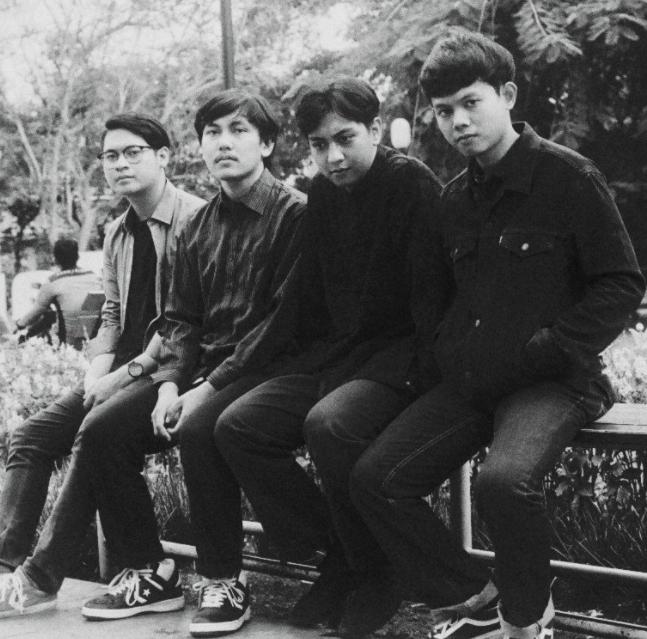
Bangkutaman’s Spotify BioBangkutaman—its name derived from the Indonesian phrase meaning “park bench”—was formed in 1999 in Yogyakarta by Wahyu Acum Nugroho, Irwin Ardy, Denny, and Bayu. After several lineup changes, the band found a relatively solid formation between 2003 and 2011 with Wahyu Acum Nugroho (bass), Irwin Ardy (guitar), and Dedyk Eryanto (drums).
Today, Bangkutaman consists of Wahyu Acum Nugroho (guitar, vocals), Madava Nanda (bass), and Christo Putra (drums), continuing a trajectory shaped by ongoing musical exploration.
Musically, Bangkutaman’s sound has evolved across eras. Early influences from 1990s britpop and madchester gradually expanded into references drawn from 1960s–70s British folk-rock, alongside elements of American country, power pop, and jazz—reflecting an approach that embraces change as part of the band’s creative identity.
This direction is strongly reflected in Ode Buat Kota (2010), which was named the number one album on Rolling Stone Indonesia’s Top 20 Albums of 2010 list. The… album was later reissued on vinyl in 2015, with 350 copies selling out in under five days.
In 2016, Bangkutaman released the EP Rileks through La Munai Records, with 300 limited cassette copies sold out within two days. In 2020, the band signed with Palm House Records and released the single “Dinamika,” followed by their latest studio album Dinamika, released via Demajors in CD and digital formats.
Viberate is a music analytics platform built for A&Rs, artist managers, labels, booking agents, marketers, and artists.
It helps music professionals track artist growth, analyze audience data, monitor playlist activity, compare artists, follow song performance, and identify opportunities across the music market.
Public artist pages provide a free preview of selected artist data. Paid plans provide access to deeper analytics, historical data, charts, comparisons, playlist tools, exports, alerts, reports, and additional professional features.
Yes. Public Viberate artist pages provide selected artist analytics and music data for free.
Viberate also offers a 7-day free trial of the full platform. A credit card is required to start the trial. The trial includes access to the complete product so users can test deeper artist analytics, historical views, playlist insights, comparisons, charts, exports, alerts, and reporting features before choosing a paid plan.
Viberate provides artist analytics across streaming, playlists, social media, video, radio airplay, songs, and audience markets.
Users can analyze Spotify performance, Spotify and Apple Music playlists, YouTube activity, TikTok and Instagram growth, radio spins, song performance, audience locations, demographics, rankings, and overall artist momentum.
Artist profiles also connect to music charts, similar artists, and comparison tools, helping users benchmark performance and evaluate artists in context.
Viberate updates key artist and track data daily.
For followed artists and tracks, selected data is refreshed multiple times per day. This helps teams monitor playlist changes, streaming movement, audience growth, releases, and campaign performance with more current data.
Update frequency can vary depending on the metric and data source.
Yes. Viberate lets users compare up to five artists side by side across streaming, social media, audience, and engagement metrics.
Users can compare fanbase growth, audience demographics, locations, Spotify performance, social metrics, and other artist data over selected time periods.
Artist comparison can be used for A&R scouting, benchmarking, booking decisions, campaign planning, and evaluating artists with similar audiences or market positions.