Band Spectra

Rock
Alternative Rock
Shoegaze
 Viberate Rank: 732817
 Viberate Rank: 732817
 Monthly ListenersFollowers
 Subscribers
 Followers
 Followers
 FansTop Spotify Songs
| Track | 7-Day Streams | |
|---|---|---|
1 | 31 | |
2 | 16 | |
3 | 13 | |
4 | 11 | |
5 | 8 |
Top YouTube VideosMonthly ListenersFeatured in Playlists| Playlist | Followers | |
|---|---|---|
1 |  Indie discoveries by Jai Agnish Jai Agnish | 5.91K |
2 |  The Shoegazer Radio tuff-ghost | 2.42K |
3 | Don Letts' Culture Clash Radio 🔊 (BBC 6 Music) reacharound98 | 1.25K |
Audience| City | Monthly Listeners | |
|---|---|---|
1 | | 20 |
2 | | 5 |
3 |  | 5 |
4 | | 3 |
5 |  | 3 |
See full performance history, audience data, playlist activity, rankings, comparisons, and more in Viberate music analytics. Start with a free trial, then continue with a paid plan.
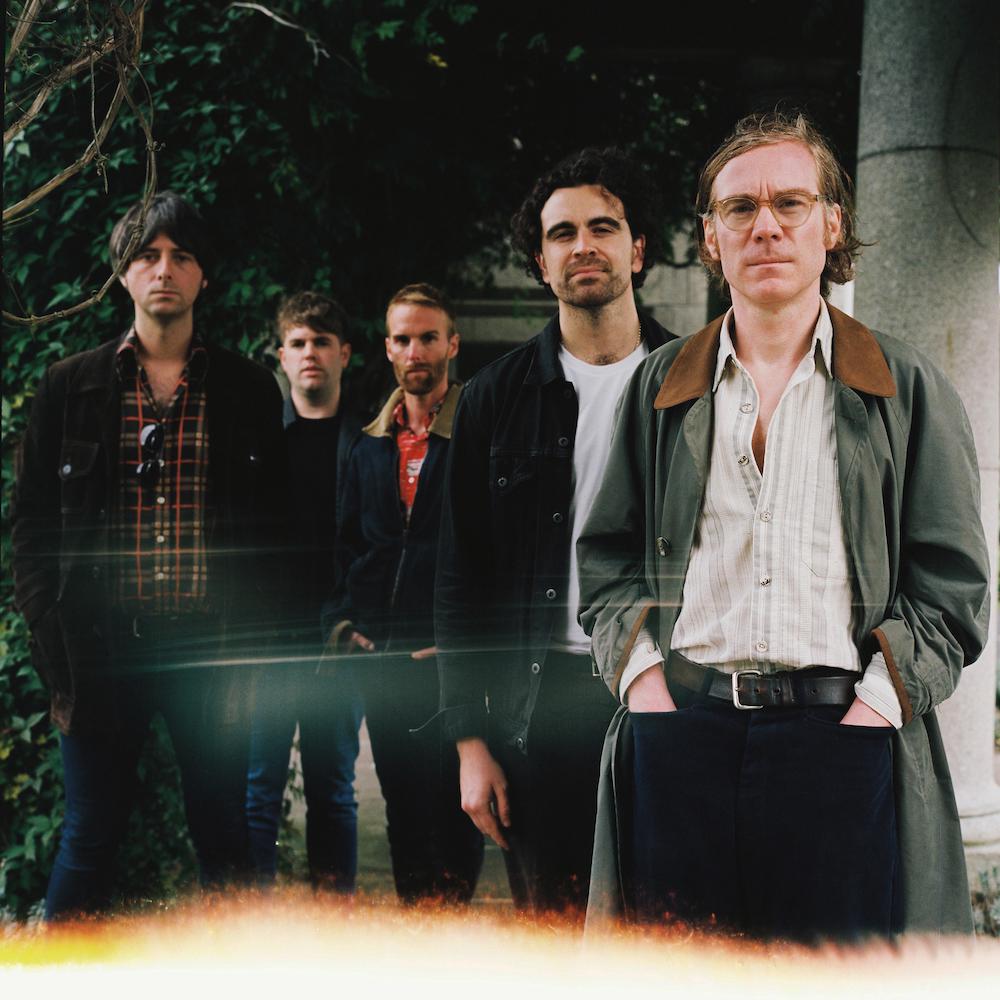
Band Spectra’s Spotify BioBand Spectra is the project of Robert Manning, a disabled musician from Southeast England. Using the moniker Band Spectra, and with the help of Arts Council funding, Robert has produced an album of notable collaborations with the intention of celebrating and raising awareness of disability and diversity within the music industry.
Band Spectra was born in early 2020; a therapeutic endeavour following a passing recommendation by a neuropsychologist to use music as an aid to assist increasingly evident difficulties with memory, concentration, language, reasoning, and various other aspects of learning and understanding brought on by his decline in health with Multiple Sclerosis.
What started as nothing more than a passing exploration into hardware synthesis and a personal enjoyment of various iconic 80’s drum machines, quickly blossomed into a neoteric passion. Hiding from an increasingly volatile world with his family, building (online) friendships with the like of Dave Sanderson (Producer:… 65 Days of static) Olugbenga Adelekan (Bassist: Metronomy) and Leo Abrahams (Guitarist: Solo, Brian Eno etc.) with the simple concept to collaborate with seminal artists, break through significant barriers and help to showcase disability within the music industry.
Viberate is a music analytics platform built for A&Rs, artist managers, labels, booking agents, marketers, and artists.
It helps music professionals track artist growth, analyze audience data, monitor playlist activity, compare artists, follow song performance, and identify opportunities across the music market.
Public artist pages provide a free preview of selected artist data. Paid plans provide access to deeper analytics, historical data, charts, comparisons, playlist tools, exports, alerts, reports, and additional professional features.
Yes. Public Viberate artist pages provide selected artist analytics and music data for free.
Viberate also offers a 7-day free trial of the full platform. A credit card is required to start the trial. The trial includes access to the complete product so users can test deeper artist analytics, historical views, playlist insights, comparisons, charts, exports, alerts, and reporting features before choosing a paid plan.
Viberate provides artist analytics across streaming, playlists, social media, video, radio airplay, songs, and audience markets.
Users can analyze Spotify performance, Spotify and Apple Music playlists, YouTube activity, TikTok and Instagram growth, radio spins, song performance, audience locations, demographics, rankings, and overall artist momentum.
Artist profiles also connect to music charts, similar artists, and comparison tools, helping users benchmark performance and evaluate artists in context.
Viberate updates key artist and track data daily.
For followed artists and tracks, selected data is refreshed multiple times per day. This helps teams monitor playlist changes, streaming movement, audience growth, releases, and campaign performance with more current data.
Update frequency can vary depending on the metric and data source.
Yes. Viberate lets users compare up to five artists side by side across streaming, social media, audience, and engagement metrics.
Users can compare fanbase growth, audience demographics, locations, Spotify performance, social metrics, and other artist data over selected time periods.
Artist comparison can be used for A&R scouting, benchmarking, booking decisions, campaign planning, and evaluating artists with similar audiences or market positions.