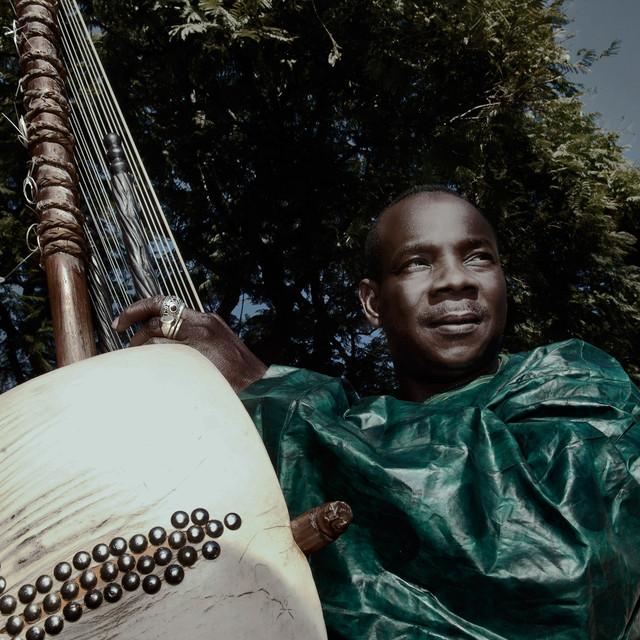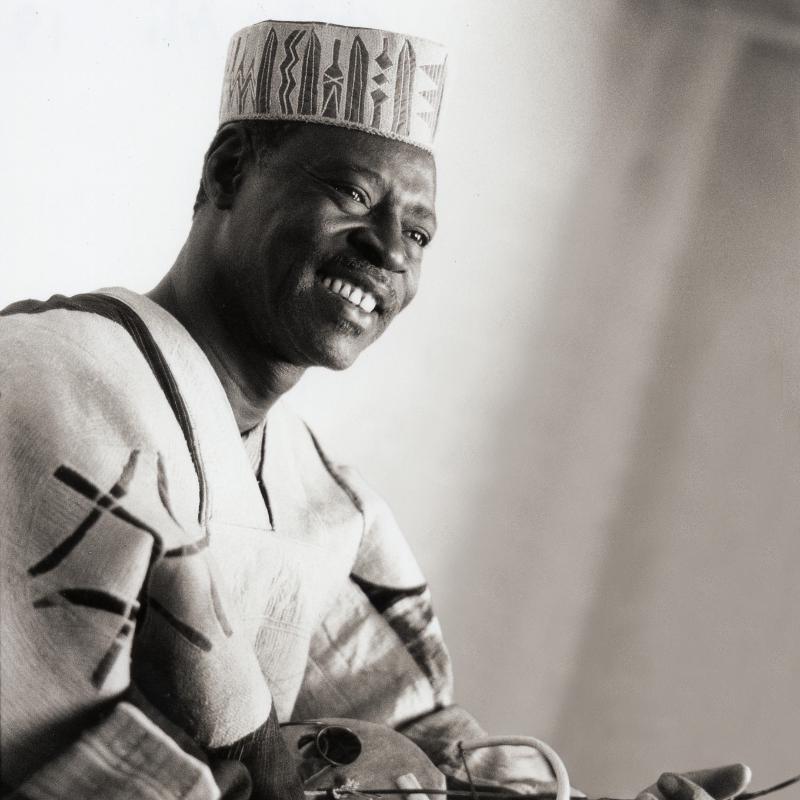
Ballaké Sissoko

African
Other African Music
Afropop
 Viberate Rank: 36265
 Viberate Rank: 36265
 Monthly ListenersFollowers
 Subscribers
 Followers
 Followers
 FansTop Spotify Songs
| Track | 7-Day Streams | |
|---|---|---|
1 | 12.94K | |
2 | 11.91K | |
3 | 9.59K | |
4 | 7.78K | |
5 | 6.93K |
Top YouTube VideosMonthly ListenersFeatured in Playlists| Playlist | Followers | |
|---|---|---|
1 |  This Is Ludovico Einaudi Spotify | 783.61K |
2 |  Sahara Spotify | 480.80K |
3 |  COLORS - ALL SHOWS COLORSxSTUDIOS | 350.15K |
4 |  Café Africa Spotify | 254.57K |
5 |  Ludovico Einaudi Complete Playlist Ludovico Einaudi | 223.06K |
Audience| City | Monthly Listeners | |
|---|---|---|
1 |  | 5.26K |
2 |  | 3.56K |
3 |  | 2.67K |
4 |  | 2.66K |
5 |  | 2.42K |
See full performance history, audience data, playlist activity, rankings, comparisons, and more in Viberate music analytics. Start with a free trial, then continue with a paid plan.
Ballaké Sissoko’s Spotify BioOne of the modern-day masters of his instrument, Ballaké Sissoko is a Malian kora player known for his instrumental innovation and numerous collaborations outside of West African music. He first rose to international success alongside fellow kora master Toumani Diabaté on the 1999 album New Ancient Strings, then spent the next two decades forging cross-cultural connections with musicians from around the globe. He is a member of the world music trio 3MA and has made several albums with frequent creative partner, classical cellist Vincent Ségal, including 2015's enchanting Musique de Nuit. His 2021 album Djourou was another diverse affair that traversed rock, hip-hop, and classical. In 2023, he and Ségal teamed up with Frenchmen Vincent Peirani and Émile Parisien on the subtly dazzling Les Egarés, followed by 2024's Bamako*Chicago Sound System with Nicole Mitchell.
Ballaké's father, Djelimady Sissoko, was a Gambian kora master who moved to Mali and joined the national orchestra. Born in… 1968, Ballaké followed in the griot tradition of his father and began training on the instrument at a young age. When his father died in 1981, he took his place in the Ensemble Instrumental National du Mali, though he was only 13. Over the next two decades, Sissoko got attention as a performer and collaborator and began his recording career in partnership with cousin and fellow kora master Toumani Diabaté on the 1999 album New Ancient Strings. The following year, he released the solo-billed album Déli, which featured his wife, the vocalist Mama Draba.
Then based in Paris, Sissoko's collaborative nature and adventurous spirit led him to work with a variety of musicians, including Italian classical pianist Ludovico Einaudi on 2003's Diario Mali and singer Rokia Traoré on 2005's Tomora, which saw him again teaming up with Diabaté. He also formed the group 3MA with Moroccan oud player Driss el Maloumi and Madagascan valiha player Rajery, who released an album in 2008. With 2009's Chamber Music, Sissoko established yet another ongoing collaboration, this time with French cellist Vincent Ségal. On Sissoko's next solo LP, 2013's At Peace, Ségal acted as producer, and in 2015 the two reunited for another duo album, Musique de Nuit. Released in April 2021, Djourou featured a typically eclectic array of guests, from French pop singer Camille to Malian rapper Oxmo Puccino. Recorded during this same period, A Touma saw Sissoko working entirely alone. Consisting of eight solo kora pieces, the tranquil collection was recorded in a single afternoon and released that September, just five months after Djourou. The artist's next project, a four-way collaboration with Ségal, accordionist Vincent Peirani, and saxophonist Émile Parisien, was another genre-averse effort that flirted with jazz, chamber music, folk, and avant-garde without adhering to any of them. Virtuosic and occasionally playful, Les Egarés appeared in early 2023. He then paired with flutist Nicole Mitchell for 2024's Bamako*Chicago Sound System. ~ Jason Birchmeier & Timothy Monger, Rovi
Viberate is a music analytics platform built for A&Rs, artist managers, labels, booking agents, marketers, and artists.
It helps music professionals track artist growth, analyze audience data, monitor playlist activity, compare artists, follow song performance, and identify opportunities across the music market.
Public artist pages provide a free preview of selected artist data. Paid plans provide access to deeper analytics, historical data, charts, comparisons, playlist tools, exports, alerts, reports, and additional professional features.
Yes. Public Viberate artist pages provide selected artist analytics and music data for free.
Viberate also offers a 7-day free trial of the full platform. A credit card is required to start the trial. The trial includes access to the complete product so users can test deeper artist analytics, historical views, playlist insights, comparisons, charts, exports, alerts, and reporting features before choosing a paid plan.
Viberate provides artist analytics across streaming, playlists, social media, video, radio airplay, songs, and audience markets.
Users can analyze Spotify performance, Spotify and Apple Music playlists, YouTube activity, TikTok and Instagram growth, radio spins, song performance, audience locations, demographics, rankings, and overall artist momentum.
Artist profiles also connect to music charts, similar artists, and comparison tools, helping users benchmark performance and evaluate artists in context.
Viberate updates key artist and track data daily.
For followed artists and tracks, selected data is refreshed multiple times per day. This helps teams monitor playlist changes, streaming movement, audience growth, releases, and campaign performance with more current data.
Update frequency can vary depending on the metric and data source.
Yes. Viberate lets users compare up to five artists side by side across streaming, social media, audience, and engagement metrics.
Users can compare fanbase growth, audience demographics, locations, Spotify performance, social metrics, and other artist data over selected time periods.
Artist comparison can be used for A&R scouting, benchmarking, booking decisions, campaign planning, and evaluating artists with similar audiences or market positions.