Balfor

Metal
Black Metal
 Viberate Rank: 415169
 Viberate Rank: 415169
 Monthly ListenersFollowers
 Subscribers
 Followers
 Followers
 FansTop Spotify Songs
| Track | 7-Day Streams | |
|---|---|---|
1 | 32 | |
2 | 23 | |
3 | 19 | |
4 | 16 | |
5 | 11 |
Top YouTube VideosMonthly ListenersFeatured in Playlists| Playlist | Followers | |
|---|---|---|
1 | Black metal Stian Sætrum | 26.12K |
2 |  Viking Metal Thor'sDay - Folk Metal Ernst Christensen | 10.25K |
3 |  Ukrainian Black Metal Bathoryn | 4.48K |
4 |  Christian | 4.46K |
5 |  BLACKMETAL DSBM badyushka🕷️🩸 | 3.61K |
Audience| City | Monthly Listeners | |
|---|---|---|
1 |  | 6 |
2 |  | 5 |
3 | | 4 |
4 | | 4 |
5 |  | 3 |
See full performance history, audience data, playlist activity, rankings, comparisons, and more in Viberate music analytics. Start with a free trial, then continue with a paid plan.
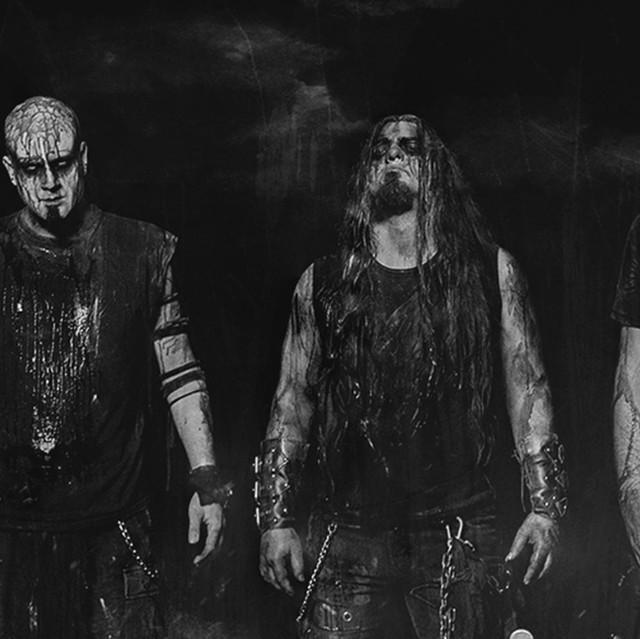
Balfor’s Spotify BioBALFOR was formed in a small town in eastern Ukraine, initially as a side project of Thorgeir - vocal/bass/guitar, and guitarist Svart, to play a style of Black Metal that they came to define as Ukrainian Barbaric Black Metal, a name that only partly explains the kind of dark, dramatic music they play. Music that is an epic, melodic and a blastingly fast mixture of Black and Death Metal.
BALFOR released their first album “Volki Severa”, and, encouraged by the positive reviews, Thorgeir decided to concentrate all his energies on BALFOR and develop the band further. In a move calculated to bring BALFOR to the attention of a much larger audience, “Pure Barbaric” was released for free download via a net label. It was a move that proved to be extremely successful in terms of raising the band’s profile and garnering a substantial following throughout the world, ultimately leading to the band being signed by Pulverised Records for the release of “Barbaric Blood”.
BALFOR’s fan base, and… reputation, was further increased by various live and festival appearances including tours throughout Germany, France, Holland, Belgium, Hungary, Poland, Czech Republic, Spain and Portugal and performances at major festivals Eindhoven Metal Meeting (NL), Rockmaraton (HU), Dong Open Air (DE), Global East (UA), Metal Heads Mission (UA), Kilkim Zaibu (LT), Gothoom (SK), Carpathian Alliance (UA), Metal Crowd (BEL), etc. as well as an impressive list of club gigs.
Viberate is a music analytics platform built for A&Rs, artist managers, labels, booking agents, marketers, and artists.
It helps music professionals track artist growth, analyze audience data, monitor playlist activity, compare artists, follow song performance, and identify opportunities across the music market.
Public artist pages provide a free preview of selected artist data. Paid plans provide access to deeper analytics, historical data, charts, comparisons, playlist tools, exports, alerts, reports, and additional professional features.
Yes. Public Viberate artist pages provide selected artist analytics and music data for free.
Viberate also offers a 7-day free trial of the full platform. A credit card is required to start the trial. The trial includes access to the complete product so users can test deeper artist analytics, historical views, playlist insights, comparisons, charts, exports, alerts, and reporting features before choosing a paid plan.
Viberate provides artist analytics across streaming, playlists, social media, video, radio airplay, songs, and audience markets.
Users can analyze Spotify performance, Spotify and Apple Music playlists, YouTube activity, TikTok and Instagram growth, radio spins, song performance, audience locations, demographics, rankings, and overall artist momentum.
Artist profiles also connect to music charts, similar artists, and comparison tools, helping users benchmark performance and evaluate artists in context.
Viberate updates key artist and track data daily.
For followed artists and tracks, selected data is refreshed multiple times per day. This helps teams monitor playlist changes, streaming movement, audience growth, releases, and campaign performance with more current data.
Update frequency can vary depending on the metric and data source.
Yes. Viberate lets users compare up to five artists side by side across streaming, social media, audience, and engagement metrics.
Users can compare fanbase growth, audience demographics, locations, Spotify performance, social metrics, and other artist data over selected time periods.
Artist comparison can be used for A&R scouting, benchmarking, booking decisions, campaign planning, and evaluating artists with similar audiences or market positions.