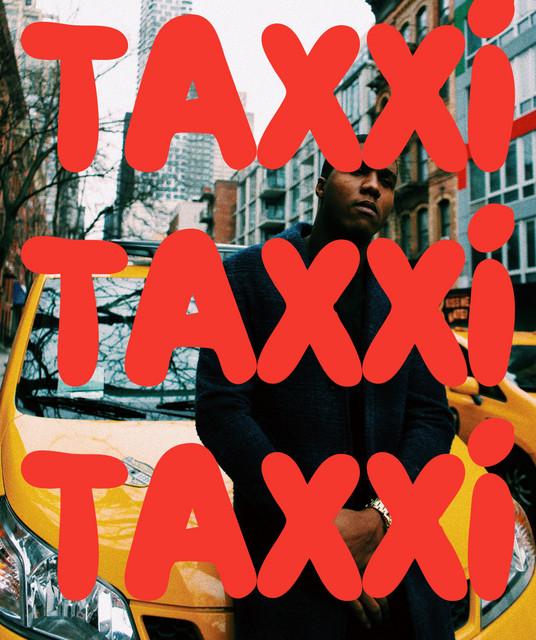
Bailo

Electronic
Trap/Future Bass
Dubstep
 Viberate Rank: 151744
 Viberate Rank: 151744
 Monthly ListenersFollowers
 Subscribers
 Followers
 Followers
 FansTop Spotify Songs
| Track | 7-Day Streams | |
|---|---|---|
1 | 5.03K | |
2 | 3.22K | |
3 | 1.02K | |
4 | 893 | |
5 | 803 |
Top YouTube VideosMonthly ListenersFeatured in Playlists| Playlist | Followers | |
|---|---|---|
1 |  Trap Mojito Spotify | 869.73K |
2 |  DUBSTEP 2026 Filtr Sweden | 432.11K |
3 |  Bass.🚬 TheonlyMajed | 160.54K |
4 |  🌗MUTILACION PRIME🐺 PRIME | 81.06K |
5 |  Hardest Bass Drops 2026 🤡🔥 Actuation | 68.52K |
Audience| City | Monthly Listeners | |
|---|---|---|
1 | | 545 |
2 |  | 452 |
3 | | 451 |
4 |  | 390 |
5 | | 390 |
See full performance history, audience data, playlist activity, rankings, comparisons, and more in Viberate music analytics. Start with a free trial, then continue with a paid plan.
Bailo’s Spotify BioBAILO is an American trap producer and DJ from Queens, NY that now resides in Houston,TX. At the age of 21 when he was introduced to trap music and immediately everything “clicked” for him. Shortly there after his remix of Calvin Harris’ “How Deep Is Your Love” put BAILO on the map and took his career to the next level.
After years of touring and changing his sound with the most current trends in bass music BAILO found himself at a cross roads, exhausted and over the currently state of bass music BAILO knew it was time to return to his root. TRAP MUSIC. Bailo returned with a renewed passion and brand of trap music that pulls from his OG NY hip hop roots but also is a fusion of new hip hop and bass music unlike anything else out there.
The release of “No Cap” gained massive support with fans streaming it over 200k times on Spotify alone. The success of his new trap tracks fueled BAILO’s passion and he went on to release the “Trapped Out EP” on Craze’s Slow Roast records in the fall of… 2020. Fans again responded and the EP proved to be a massive hit gaining over 500K streams. This massive organic growth and support from artist like DJ Snake, Alison Wonderland, Atrak, Quix, Craze, and more.
Bailo is focused on the future and is spending more and more time in the studio creating more epic trap bangers he can’t wait to share with fans this year as he returns to touring. Trap music is alive and well and BAILO is here to prove it to everyone.
Viberate is a music analytics platform built for A&Rs, artist managers, labels, booking agents, marketers, and artists.
It helps music professionals track artist growth, analyze audience data, monitor playlist activity, compare artists, follow song performance, and identify opportunities across the music market.
Public artist pages provide a free preview of selected artist data. Paid plans provide access to deeper analytics, historical data, charts, comparisons, playlist tools, exports, alerts, reports, and additional professional features.
Yes. Public Viberate artist pages provide selected artist analytics and music data for free.
Viberate also offers a 7-day free trial of the full platform. A credit card is required to start the trial. The trial includes access to the complete product so users can test deeper artist analytics, historical views, playlist insights, comparisons, charts, exports, alerts, and reporting features before choosing a paid plan.
Viberate provides artist analytics across streaming, playlists, social media, video, radio airplay, songs, and audience markets.
Users can analyze Spotify performance, Spotify and Apple Music playlists, YouTube activity, TikTok and Instagram growth, radio spins, song performance, audience locations, demographics, rankings, and overall artist momentum.
Artist profiles also connect to music charts, similar artists, and comparison tools, helping users benchmark performance and evaluate artists in context.
Viberate updates key artist and track data daily.
For followed artists and tracks, selected data is refreshed multiple times per day. This helps teams monitor playlist changes, streaming movement, audience growth, releases, and campaign performance with more current data.
Update frequency can vary depending on the metric and data source.
Yes. Viberate lets users compare up to five artists side by side across streaming, social media, audience, and engagement metrics.
Users can compare fanbase growth, audience demographics, locations, Spotify performance, social metrics, and other artist data over selected time periods.
Artist comparison can be used for A&R scouting, benchmarking, booking decisions, campaign planning, and evaluating artists with similar audiences or market positions.