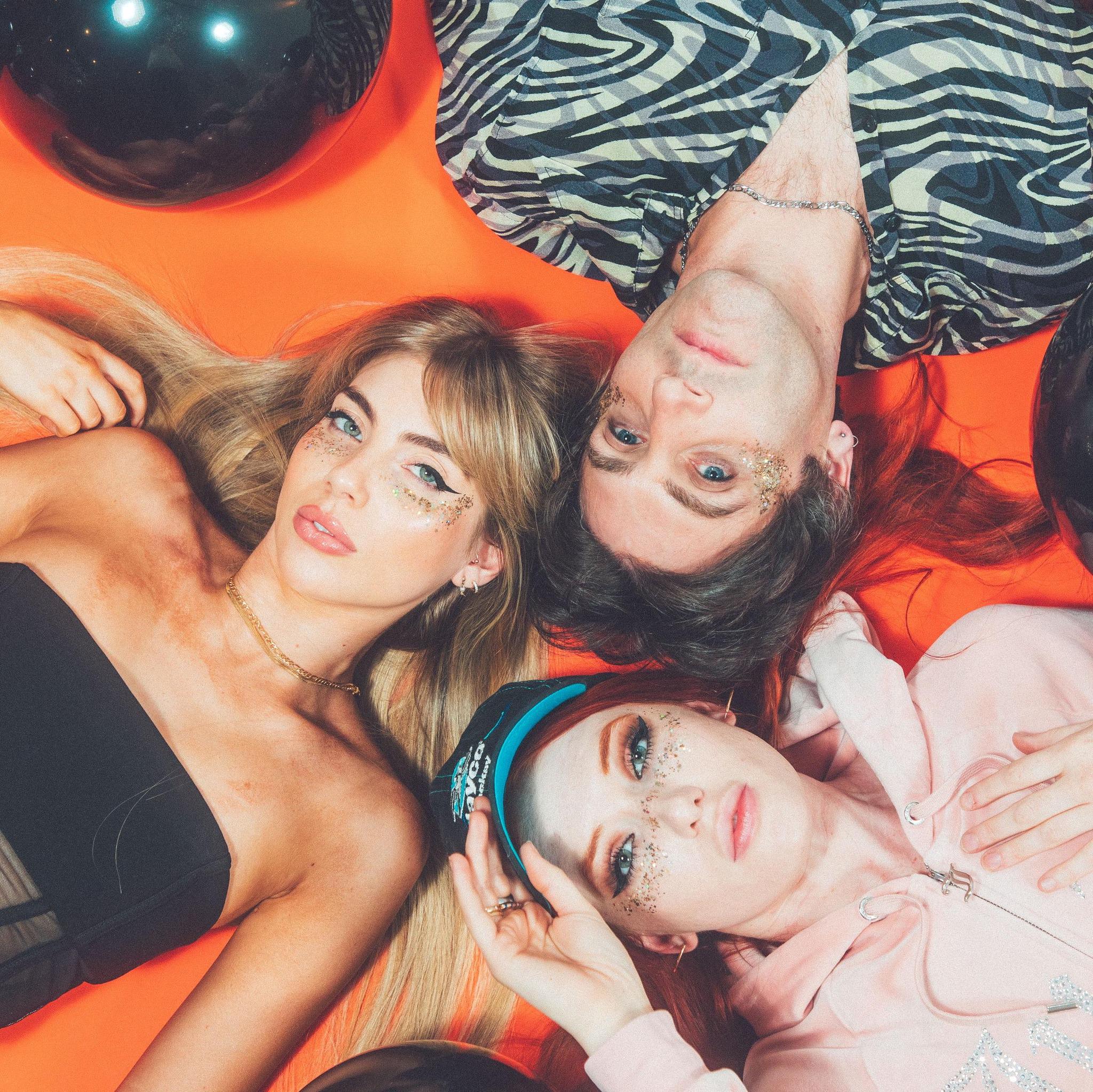
BADGERS

Rock
Alternative Rock
Psychedelic Rock
 Viberate Rank: 772859
 Viberate Rank: 772859
 Monthly ListenersFollowers
 Subscribers
 Followers
 Followers
 FansTop Spotify Songs
| Track | 7-Day Streams | |
|---|---|---|
1 | 8 | |
2 | 3 | |
3 | 1 |
Top YouTube VideosMonthly ListenersFeatured in Playlists| Playlist | Followers | |
|---|---|---|
1 |  The Daily Indie Playlist indieplaylist | 1.95K |
2 |  Indie Rock 2026 : Best New Music 2026 || Janglepop 2026- Best New Indie 2026 oppositemarco | 1.63K |
Audience| City | Monthly Listeners | |
|---|---|---|
1 | | 12 |
2 | | 4 |
See full performance history, audience data, playlist activity, rankings, comparisons, and more in Viberate music analytics. Start with a free trial, then continue with a paid plan.
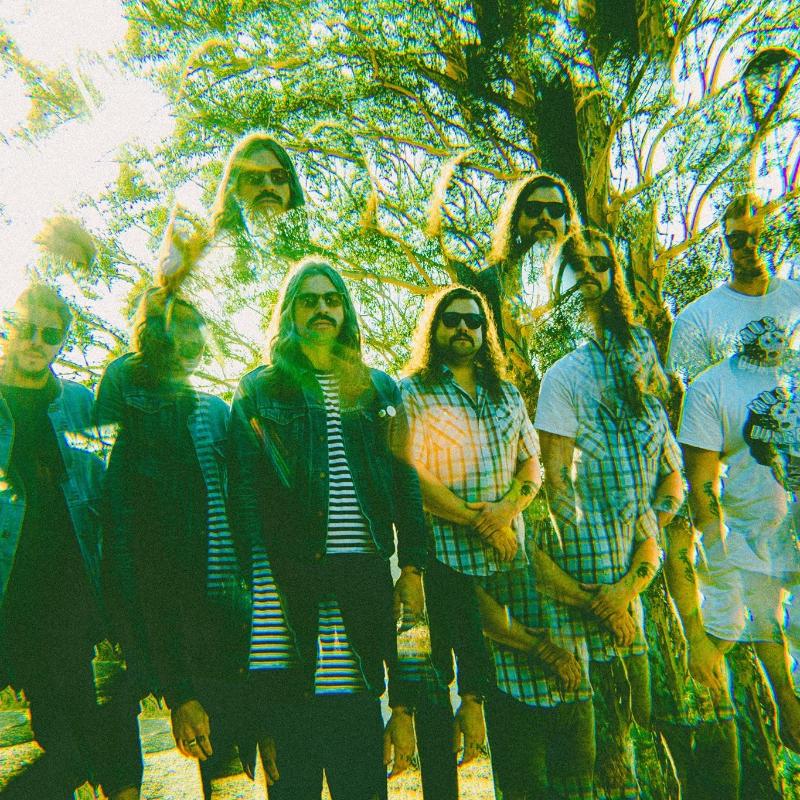
BADGERS’ Spotify BioTheir animal namesake might be shy and retiring, but Melbourne’s BADGERS lean more towards taking after their spiritual totemic symbolism: aggressive self-expression.
Formed and bonded over a mutual love of ‘60s pop and partying — along with an appreciation for ‘70s wallpaper — BADGERS pretzel twist spare barebones rock and hazy paisegaze pop back in on themselves, emerging with a piercing, spiraling rock’n’roll that swings like a playset in a hurricane.
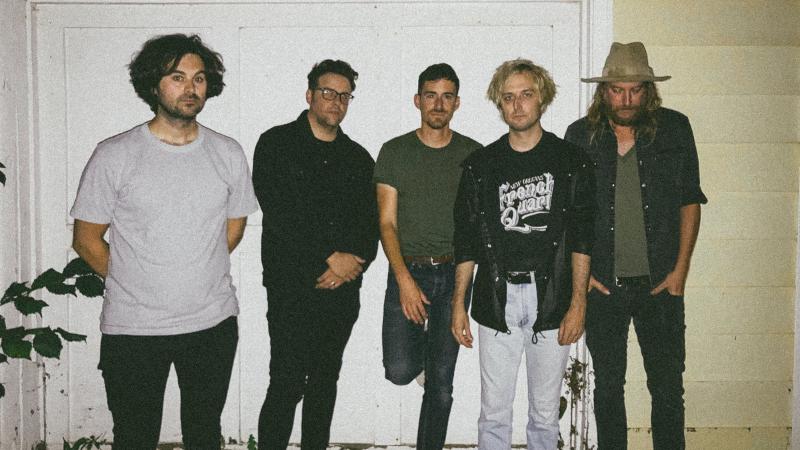
Fronted by vocalist/guitarist Michael Badger — producer/mixer who has worked with King Gizzard & the Lizard Wizard albums, Amyl & The Sniffers, You Am I, SONS (Belgium) and more — along with Rachel Trainor (drums), Eloise Thetford (guitar, vocals) and Dali Platt (bass, vocals), BADGERS have more hard-won experience than a dive bar countertop, having put in the hards yards in numerous Australian bands… something more than obvious when witnessing their arresting magnetism in person.
Because BADGERS are the sort of band you fall in love… with. The sort of band you want to see time and time again to see what will happen, what direction they might take THIS time. They’re unpredictable and dynamic, like a vintage Jag of the car variety… but in execution, they’re like a vintage Jag guitar: reliably terrific, and possessed of timeless history and class.
Viberate is a music analytics platform built for A&Rs, artist managers, labels, booking agents, marketers, and artists.
It helps music professionals track artist growth, analyze audience data, monitor playlist activity, compare artists, follow song performance, and identify opportunities across the music market.
Public artist pages provide a free preview of selected artist data. Paid plans provide access to deeper analytics, historical data, charts, comparisons, playlist tools, exports, alerts, reports, and additional professional features.
Yes. Public Viberate artist pages provide selected artist analytics and music data for free.
Viberate also offers a 7-day free trial of the full platform. A credit card is required to start the trial. The trial includes access to the complete product so users can test deeper artist analytics, historical views, playlist insights, comparisons, charts, exports, alerts, and reporting features before choosing a paid plan.
Viberate provides artist analytics across streaming, playlists, social media, video, radio airplay, songs, and audience markets.
Users can analyze Spotify performance, Spotify and Apple Music playlists, YouTube activity, TikTok and Instagram growth, radio spins, song performance, audience locations, demographics, rankings, and overall artist momentum.
Artist profiles also connect to music charts, similar artists, and comparison tools, helping users benchmark performance and evaluate artists in context.
Viberate updates key artist and track data daily.
For followed artists and tracks, selected data is refreshed multiple times per day. This helps teams monitor playlist changes, streaming movement, audience growth, releases, and campaign performance with more current data.
Update frequency can vary depending on the metric and data source.
Yes. Viberate lets users compare up to five artists side by side across streaming, social media, audience, and engagement metrics.
Users can compare fanbase growth, audience demographics, locations, Spotify performance, social metrics, and other artist data over selected time periods.
Artist comparison can be used for A&R scouting, benchmarking, booking decisions, campaign planning, and evaluating artists with similar audiences or market positions.