Baddies

Rock
Indie Rock
Dance
 Viberate Rank: 403229
 Viberate Rank: 403229
 Monthly ListenersFollowers
 Subscribers
 Followers
 Followers
 FansTop Spotify Songs
| Track | 7-Day Streams | |
|---|---|---|
1 | 44 | |
2 | 35 | |
3 | 28 | |
4 | 27 | |
5 | 26 |
Top YouTube VideosMonthly ListenersFeatured in Playlists| Playlist | Followers | |
|---|---|---|
1 |  Daily Favs - Fynn Kliemanns wichtigste Musik Fynn Kliemann | 96.13K |
2 | HAPPY SONGS FOR SAD DAYS by pixelbox el_tejo | 5.30K |
3 |  BIRP! 2009 - 2019 BIRP! | 2.20K |
4 |  3voor12 #HELEOUDEMUZIEK 3voor12 | 1.64K |
5 | 2000 - 2010... '00s '10s [ indie , pop , rock , electro , alternative ] Sergio Otero Sevillano | 1.35K |
Audience| City | Monthly Listeners | |
|---|---|---|
1 | | 21 |
2 | | 7 |
3 |  | 6 |
4 |  | 6 |
5 | | 4 |
See full performance history, audience data, playlist activity, rankings, comparisons, and more in Viberate music analytics. Start with a free trial, then continue with a paid plan.
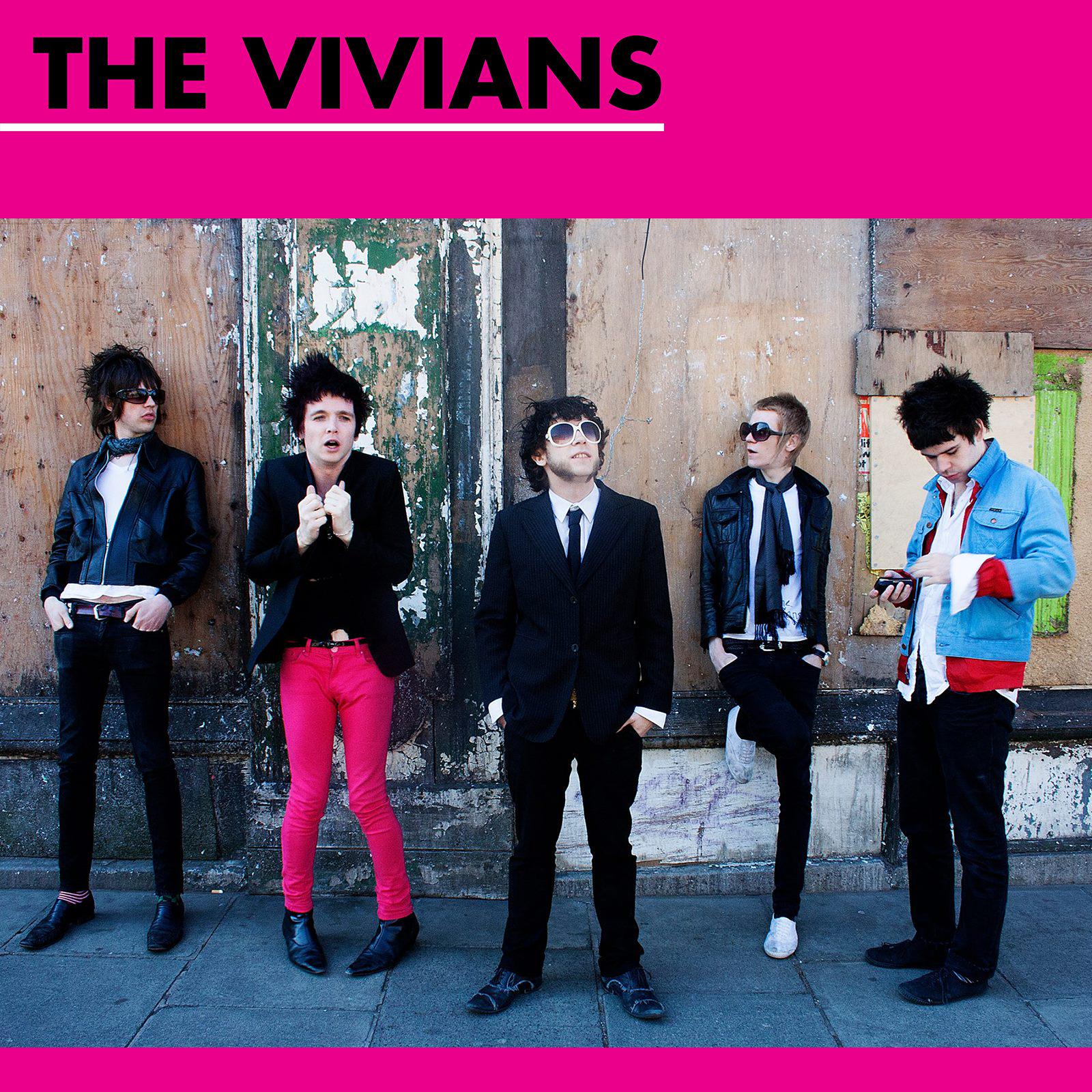
Baddies’ Spotify BioBaddies were a high-energy indie punk band from Southend-on-Sea, Essex, active between 2007 and 2012. Known for their electrifying performances and post-punk revival sound, they quickly gained a reputation as one of the most exciting new bands around. Their debut album, "Do The Job," released in 2009, showcased their dynamic style and led to extensive touring across the UK and Europe, including performances at 32 European festivals that summer. In 2012, they followed up with their second album, "Build," further cementing their place in the alternative rock scene. The band consisted of Michael Webster (vocals/guitar), Jim Webster (drums/vocals/electronics), Simon Bellamy (guitar/vocals/electronics), and Danny Rowton (bass/vocals).
Viberate is a music analytics platform built for A&Rs, artist managers, labels, booking agents, marketers, and artists.
It helps music professionals track artist growth, analyze audience data, monitor playlist activity, compare artists, follow song performance, and identify opportunities across the music market.
Public artist pages provide a free preview of selected artist data. Paid plans provide access to deeper analytics, historical data, charts, comparisons, playlist tools, exports, alerts, reports, and additional professional features.
Yes. Public Viberate artist pages provide selected artist analytics and music data for free.
Viberate also offers a 7-day free trial of the full platform. A credit card is required to start the trial. The trial includes access to the complete product so users can test deeper artist analytics, historical views, playlist insights, comparisons, charts, exports, alerts, and reporting features before choosing a paid plan.
Viberate provides artist analytics across streaming, playlists, social media, video, radio airplay, songs, and audience markets.
Users can analyze Spotify performance, Spotify and Apple Music playlists, YouTube activity, TikTok and Instagram growth, radio spins, song performance, audience locations, demographics, rankings, and overall artist momentum.
Artist profiles also connect to music charts, similar artists, and comparison tools, helping users benchmark performance and evaluate artists in context.
Viberate updates key artist and track data daily.
For followed artists and tracks, selected data is refreshed multiple times per day. This helps teams monitor playlist changes, streaming movement, audience growth, releases, and campaign performance with more current data.
Update frequency can vary depending on the metric and data source.
Yes. Viberate lets users compare up to five artists side by side across streaming, social media, audience, and engagement metrics.
Users can compare fanbase growth, audience demographics, locations, Spotify performance, social metrics, and other artist data over selected time periods.
Artist comparison can be used for A&R scouting, benchmarking, booking decisions, campaign planning, and evaluating artists with similar audiences or market positions.