Bad Luck Gamblers

Rock
Rockabilly
Psychobilly
 Viberate Rank: 414343
 Viberate Rank: 414343
 Monthly ListenersFollowers
 Subscribers
 Followers
 Followers
 FansTop Spotify Songs
| Track | 7-Day Streams | |
|---|---|---|
1 | 36 | |
2 | 23 | |
3 | 5 | |
4 | 4 | |
5 | 2 |
Top YouTube VideosMonthly ListenersFeatured in Playlists| Playlist | Followers | |
|---|---|---|
1 |  The BEST PSYCHOBILLY Sexbasstian Moikano | 9.77K |
Audience| City | Monthly Listeners | |
|---|---|---|
1 | | 42 |
2 |  | 6 |
3 |  | 5 |
4 | | 4 |
5 | | 4 |
See full performance history, audience data, playlist activity, rankings, comparisons, and more in Viberate music analytics. Start with a free trial, then continue with a paid plan.
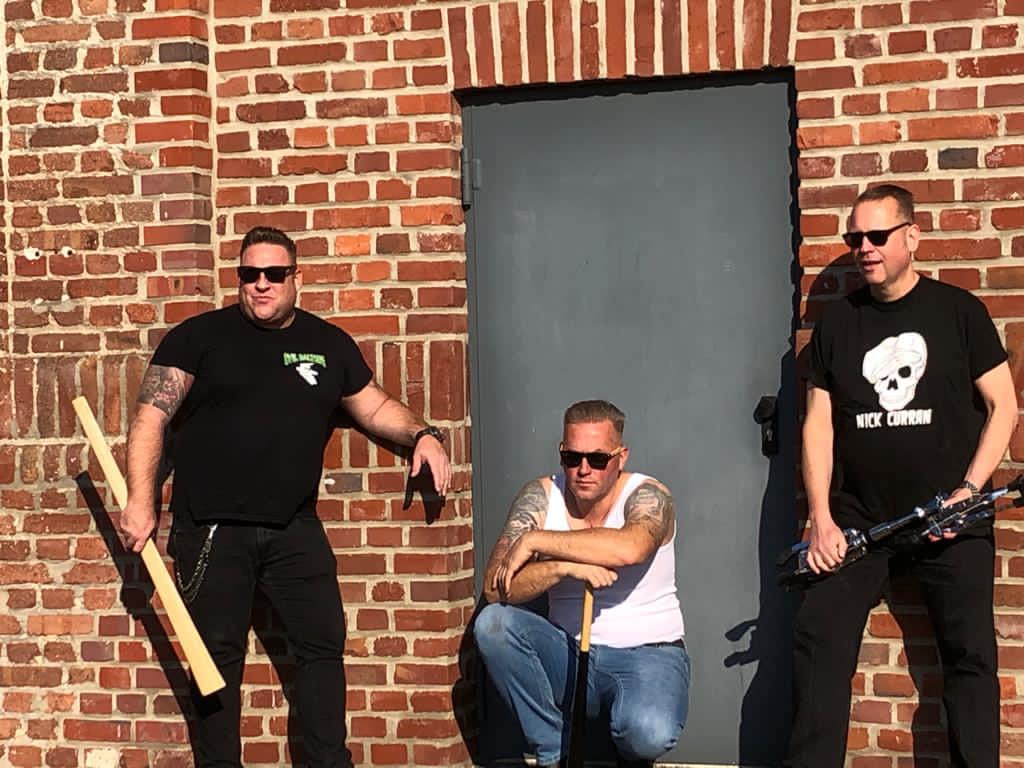
Bad Luck Gamblers’ Spotify BioThe Bad Luck Gamblers are a high-octane psychobilly trio from São Paulo, Brazil, formed in 2004. Blending psychobilly with rockabilly, country, and punk, their sound is raw, energetic, and unmistakably their own.
Lyrically, they dive into life’s essentials: fast cars, wicked women, booze, horror, and of course, gambling.
Over the past two decades, the band has played across Brazil, including appearances at the legendary Psycho Carnival, sharing stages with icons like Batmobile, Slim Jim Phantom, Frantic Flintstones, Mad Sin, and more.
Their first European tour came in 2010, with shows in France, the Netherlands, Germany, and Belgium—including a set at the 35th Sjock Festival, opening for Reverend Horton Heat, The Meteors and others.
In 2016, they dropped their second full-length album Casino Maldito, which received great feedback from rock ‘n’ roll magazines and psychobilly radio shows worldwide. In 2019, they hit the U.S. for the first time, touring California and Nevada and releasing the… 7” vinyl EP Bluff of Death, along with a video.
Now in 2025, The Bad Luck Gamblers celebrate 20 years on the road with a special live DVD, 20 Years Deep in This Grind, capturing the raw power of their performance and honoring their loyal fanbase. A new studio album and West Coast tour are on the way.
Into gritty, loud psycho-rock’n’roll? Bad Luck Gamblers are your next favorite band. See them live and feel it: 20 years down the line and the fire still burns.
Viberate is a music analytics platform built for A&Rs, artist managers, labels, booking agents, marketers, and artists.
It helps music professionals track artist growth, analyze audience data, monitor playlist activity, compare artists, follow song performance, and identify opportunities across the music market.
Public artist pages provide a free preview of selected artist data. Paid plans provide access to deeper analytics, historical data, charts, comparisons, playlist tools, exports, alerts, reports, and additional professional features.
Yes. Public Viberate artist pages provide selected artist analytics and music data for free.
Viberate also offers a 7-day free trial of the full platform. A credit card is required to start the trial. The trial includes access to the complete product so users can test deeper artist analytics, historical views, playlist insights, comparisons, charts, exports, alerts, and reporting features before choosing a paid plan.
Viberate provides artist analytics across streaming, playlists, social media, video, radio airplay, songs, and audience markets.
Users can analyze Spotify performance, Spotify and Apple Music playlists, YouTube activity, TikTok and Instagram growth, radio spins, song performance, audience locations, demographics, rankings, and overall artist momentum.
Artist profiles also connect to music charts, similar artists, and comparison tools, helping users benchmark performance and evaluate artists in context.
Viberate updates key artist and track data daily.
For followed artists and tracks, selected data is refreshed multiple times per day. This helps teams monitor playlist changes, streaming movement, audience growth, releases, and campaign performance with more current data.
Update frequency can vary depending on the metric and data source.
Yes. Viberate lets users compare up to five artists side by side across streaming, social media, audience, and engagement metrics.
Users can compare fanbase growth, audience demographics, locations, Spotify performance, social metrics, and other artist data over selected time periods.
Artist comparison can be used for A&R scouting, benchmarking, booking decisions, campaign planning, and evaluating artists with similar audiences or market positions.